
 Search Articles


Your Friday night briefing from the staff of Courthouse News
Top CNS stories for today including the Supreme Court ruling that Americans have reasonable privacy expectations in their cellphone location data; Paul Manafort fails to sway a federal judge that, even if he should have registered as a foreign agent, the pro-Russia lobbying work at issue cannot sustain the money-laundering count he faces; Special Counsel Robert Mueller asks a federal judge to place limits on how and in what context attorneys for former Trump campaign chairman Paul Manafort can accuse the Justice Department of the “selective” or “vindictive” prosecution of their client; the Texas Supreme Court upholds an appeals court ruling that disallows local governments from banning single-use plastic bags, finding that state law bars ordinances restricting the sale or use of containers; Bay Area toll users will pay $34 million to settle a dispute with a contractor accused of doing defective work on the new eastern span of the San Francisco-Oakland Bay Bridge; a new study finds a voter-approved ballot measure aimed at reducing California’s prison population and ending racial disparities in the war on drugs has produced most of the cost-saving, equity-focused results it promised; the Supreme Court rules that companies can recover profits lost because of the unauthorized use of their patented technology overseas, and more.
Sign up * for CNS Nightly Brief, a roundup of the day’s top stories delivered directly to your email Monday through Friday.*
**National **
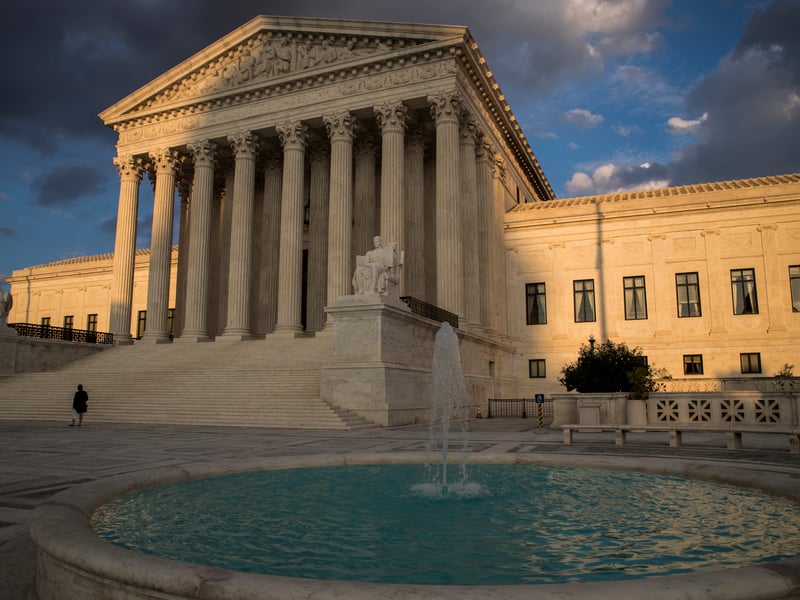
1.) With Chief Justice John Roberts leading the majority, the Supreme Court ruled 5-4 Friday that Americans have reasonable privacy expectations in their cellphone location data.
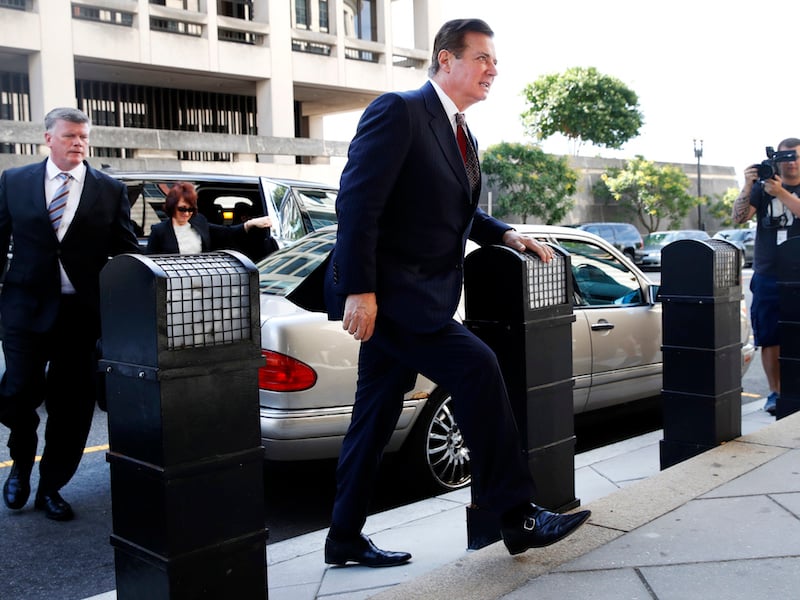
2.) Paul Manafort failed to sway a federal judge Friday that, even if he should have registered as a foreign agent, the pro-Russia lobbying work at issue cannot sustain the money-laundering count he faces.
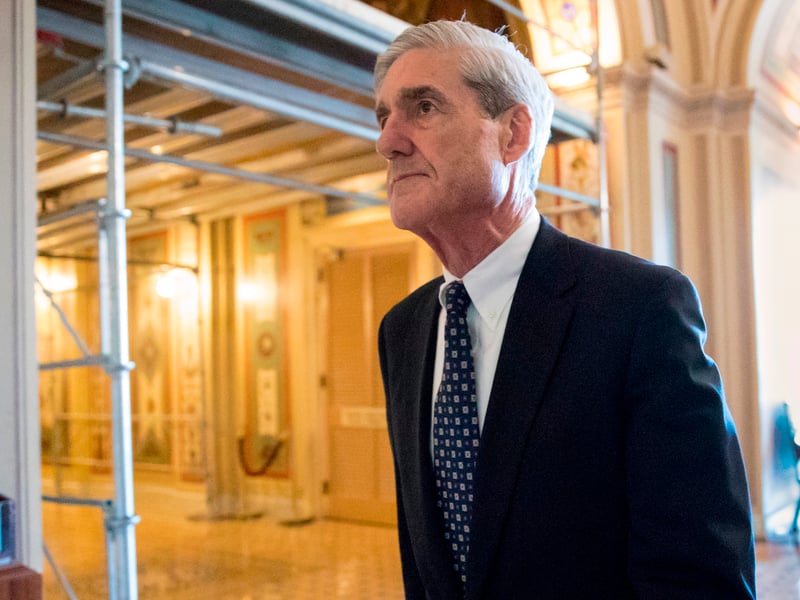
3.) Special Counsel Robert Mueller asked a federal judge on Friday to place limits on how and in what context attorneys for former Trump campaign chairman Paul Manafort can accuse the Justice Department of the “selective” or “vindictive” prosecution of their client.
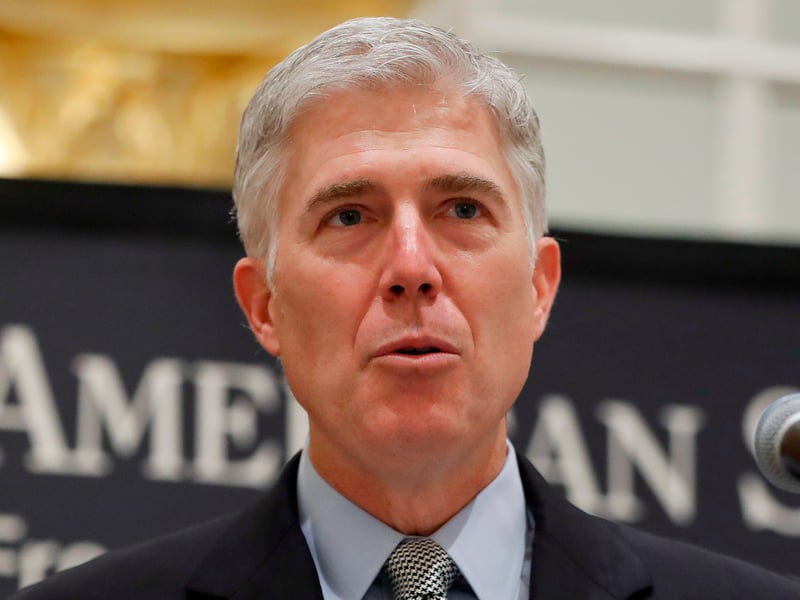
4.) By a razor-thin margin, an accused safe robber who cried double jeopardy after fighting to have the charges against him drawn out over two trials lost his Supreme Court battle Friday.
**Regional **
8.) The Texas Supreme Court on Friday upheld an appeals court ruling that disallows local governments from banning single-use plastic bags, finding that state law bars ordinances restricting the sale or use of containers.
9.) Bay Area toll users will pay $34 million to settle a dispute with a contractor accused of doing defective work on the new eastern span of the San Francisco-Oakland Bay Bridge.
**Research & Polls **
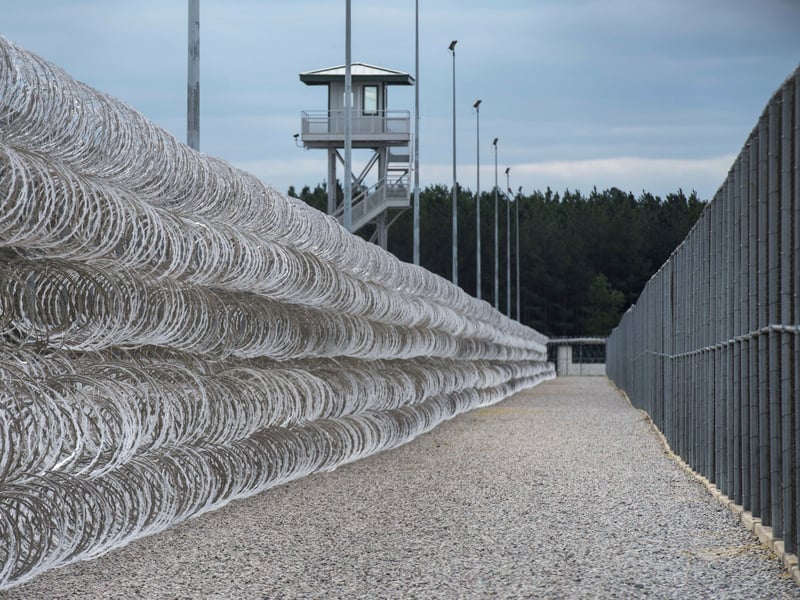
10.) A voter-approved ballot measure aimed at reducing California’s prison population and ending racial disparities in the war on drugs has produced most of the cost-saving, equity-focused results it promised, with some exceptions, according to a study published Thursday.
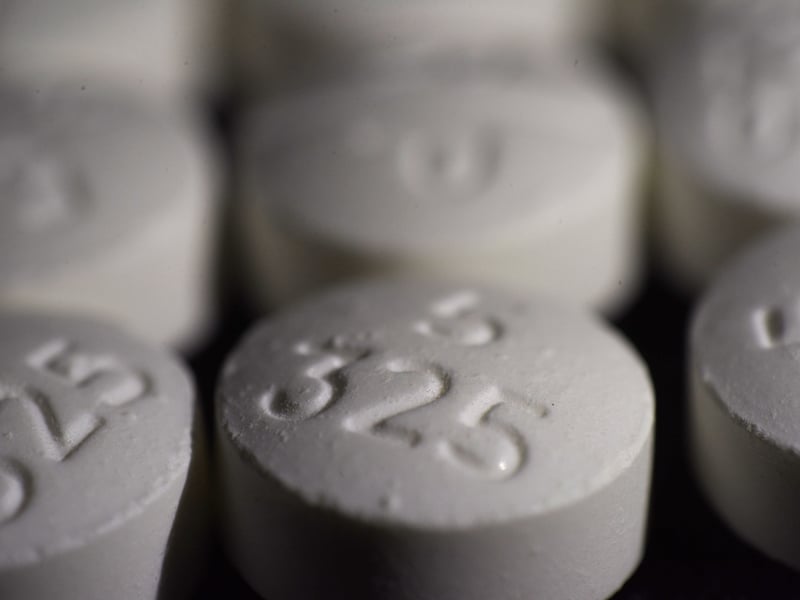
11.) Health care insurers may have helped fuel the country’s growing opioid epidemic that claimed the lives of 42,000 Americans in 2016, a new study shows.
**International **
12.) The U.S. Supreme Court ruled Friday that companies can recover profits lost because of the unauthorized use of their patented technology overseas.
Subscribe to our free newsletters
Our weekly newsletter Closing Arguments offers the latest about ongoing trials, major litigation and rulings in courthouses around the U.S. and the world, while the monthly Under the Lights dishes the legal dirt from Hollywood, sports, Big Tech and the arts.