
 Search Articles


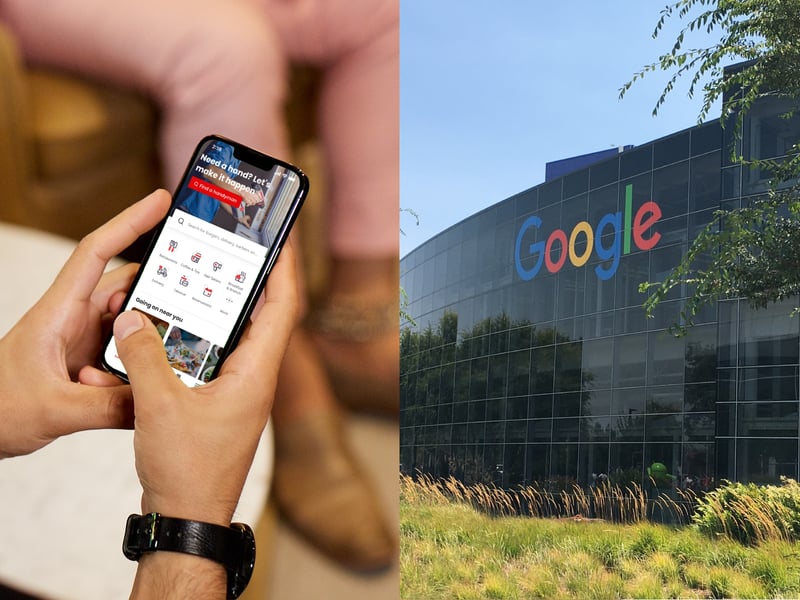
(CN) — Yelp, the website that allows users to rate and review local businesses, filed a federal antitrust lawsuit against Google Wednesday, accusing the search giant of “abandoning its stated mission to deliver the best information available to its consumers and instead forcing its own low-quality local search content on them.”
According to Yelp, Google has used its vast dominance — it is responsible for more than 91% of all internet searches — to squeeze out local search platforms like Yelp by directing users to its own local search results, which Yelp says are vastly inferior.
Google, Yelp states in its 66-page complaint, “has never been able to develop a high-quality local search service to rival that of Yelp and other local search platforms. Unwilling to invest or innovate to attract users in a competitive environment, Google has instead relied on a simple but effective strategy — it uses its monopoly power in general search to make sure that users never get to local search competitors in the first instance, diverting traffic away from those rivals and toward Google’s own inferior local search product.”
The lawsuit is the latest chapter in a tech rivalry that’s lasted some 13 years. Yelp CEO Jeremy Stoppelman, who founded the company in 2004, has been trying to get regulators to punish Google since he testified before Congress in 2011. “To date, consumers cannot find links to Yelp in Google’s merged results, belying Google’s public pronouncements that ’the competition is just one click away,’” he told lawmakers.
Soppleman finally got his wish in 2020, when the Justice Department under President Donald Trump sued Google for antitrust violations, calling it the “monopoly gatekeeper for the internet” and accusing it of using “anticompetitive tactics to maintain and extend its monopolies in the markets for general search services, search advertising, and general search text advertising — the cornerstones of its empire.”
This month, following a nice-week bench trial, U.S. District Judge Amit Mehta ruled against tech company, calling it a “monopolist” and saying that Google’s many agreements with other companies that made Google the default search engine on products like the iPhone and Samsung Galaxy have “given Google access to scale that its rivals cannot match.”
Another round of hearings will determine how Google will be punished. Google has said it will appeal the ruling.
Yelp’s complaint is, in many ways, piggybacking off Judge Mehta’s ruling, citing it a number of times during its complaint, which is seeking an unspecified amount of monetary damages, as well as “an injunction prohibiting Google from continuing to engage in the anticompetitive practices.”
“For years, Google illegally abused its monopoly in general search to dominate the local search and local search advertising markets,” Stoppleman wrote on the social media platform X, after the suit was filed. “Yelp is seeking a remedy that addresses Google’s anticompetitive misconduct, and protects consumer choice.”
Google has not responded to an email requesting a comment on the lawsuit.
 Follow @hillelaron
Subscribe to our free newsletters
Our weekly newsletter Closing Arguments offers the latest about ongoing trials, major litigation and rulings in courthouses around the U.S. and the world, while the monthly Under the Lights dishes the legal dirt from Hollywood, sports, Big Tech and the arts.