Search Articles


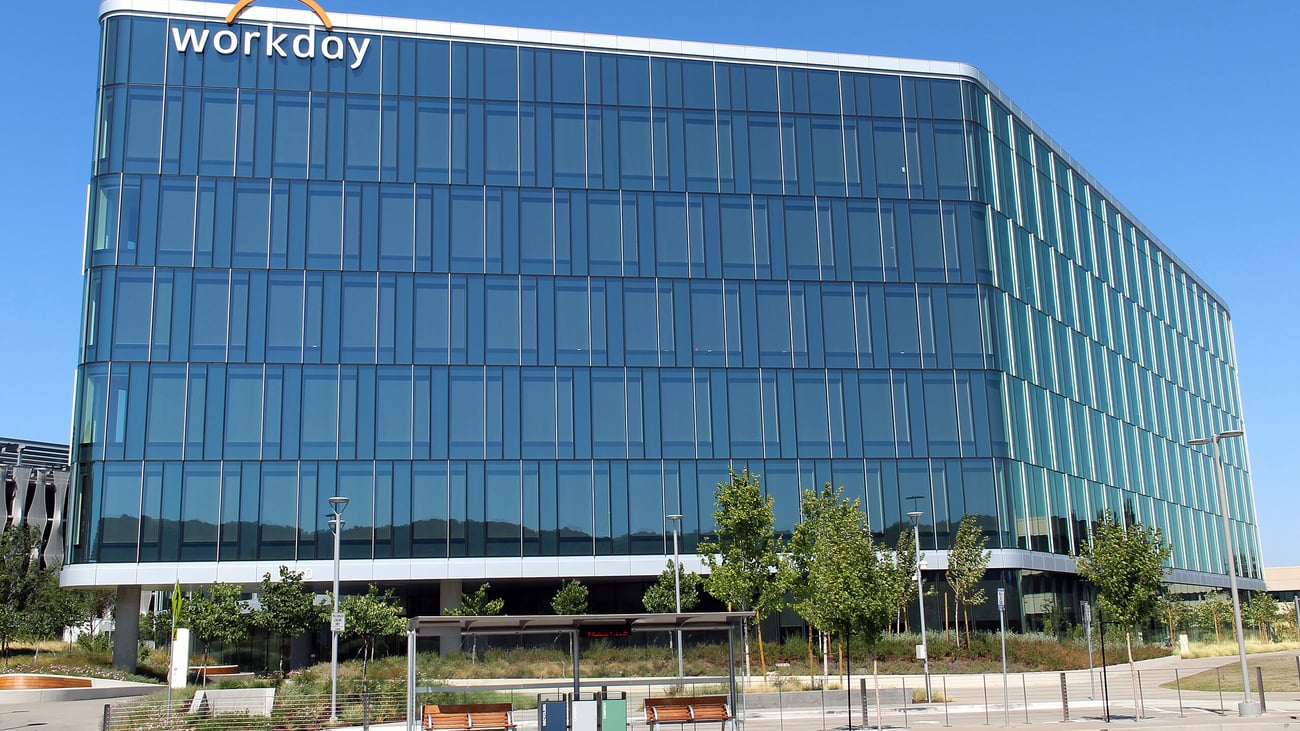
SAN FRANCISCO (CN) — Attorneys for Workday told a federal judge Monday that California’s civil rights law should not apply to class action claims that its artificial intelligence-based screening software discriminates against applicants based on age, race and disability.
“It makes no sense for a Texas employer with a Texas applicant who will perform work in Texas, I don’t think there is any dispute that that employer would be subject to Texas law for employment discrimination,” Kayla Grundy of Orrick, Herrington & Sutcliff, an attorney for Workday, argued.
“What plaintiffs are asking the court to do is to also apply California law, depending on who the defendant is in the action. That is not the way the law is intended to work.”
Lead plaintiff Derek Mobley and other opt-in plaintiffs over 40 say they submitted hundreds of thousands of applications through systems using Workday without receiving interviews because the platform’s automated decision-making disproportionately excludes African American, Asian American, female, older and disabled applicants.
In a tentative opinion issued May 27, U.S. District Judge Rita Lin said California’s Fair Employment and Housing Act (FEHA) applies to the conduct at issue because Workday is directly liable for its “own engagement in FEHA-regulated activities on the employer’s behalf.”
“Holding business-entity agents like Workday liable for their own discriminatory conduct within the scope of the FEHA is consistent with public policy and the ‘remedial purposes’ of the FEHA,” the Joe Biden appointee said.
However, Grundy told the judge in oral arguments that it would be improper for California law to supersede another state’s, or even another country’s, law just because a company uses Workday to hire employees.
“There is no reason that California, based on the location of an agent in an employment hiring context, can assert itself as the premier law that would apply. Whether that employer and employee are in another state, international or whether they are in California, there are too many variables and not sufficient context that would make California’s interest in resolving that dispute any greater than any other state,” she said.
In contrast, the plaintiffs argued that FEHA applies because Workday’s applicant-screening systems, including AI tools they claim unfairly evaluate and reject applicants, are designed and operated from the company’s California headquarters.
“We’re just trying to make Workday stand up for what it did within California as far as algorithmic decision making, developing and disseminating tools,” plaintiffs’ attorney Roderick Cooks of Winston Cooks said.
Grundy disagreed, arguing there is no clear understanding of what conduct in California the plaintiffs are challenging. He said that if the relevant Workday programs or servers were designed or operated outside the state, the conduct at issue may not even exist in California.
“What are we defending against? ‘Operating’ is so amorphous that it could become anything down the line,” she said.
Lin did not indicate when she would release a ruling.
In a statement, a representative for Workday told Courthouse News that the company’s AI recruiting tools only look at job qualifications and not protected traits and are “rigorously tested” to confirm they do not harm protected groups.
“The claims in the suit are false. Workday’s AI recruiting tools don’t make hiring decisions and are designed with human oversight at their core,” they said.
A representative for plaintiffs did not immediately respond to a request for comment.
In January, Lin dismissed the plaintiffs’ second amended complaint in part, writing it “lacks any non-conclusory factual allegations of what unlawful conduct took place in California.” However, she gave the plaintiffs leave to amend their claims.
Last month, Lin conditionally certified a class of all individuals over 40 who applied for jobs using Workday’s job application platform and were denied from Sept. 24, 2020, through the present.
 Follow @mhattridge_
Subscribe to our free newsletters
Our weekly newsletter Closing Arguments offers the latest about ongoing trials, major litigation and rulings in courthouses around the U.S. and the world, while the monthly Under the Lights dishes the legal dirt from Hollywood, sports, Big Tech and the arts.