
 Search Articles


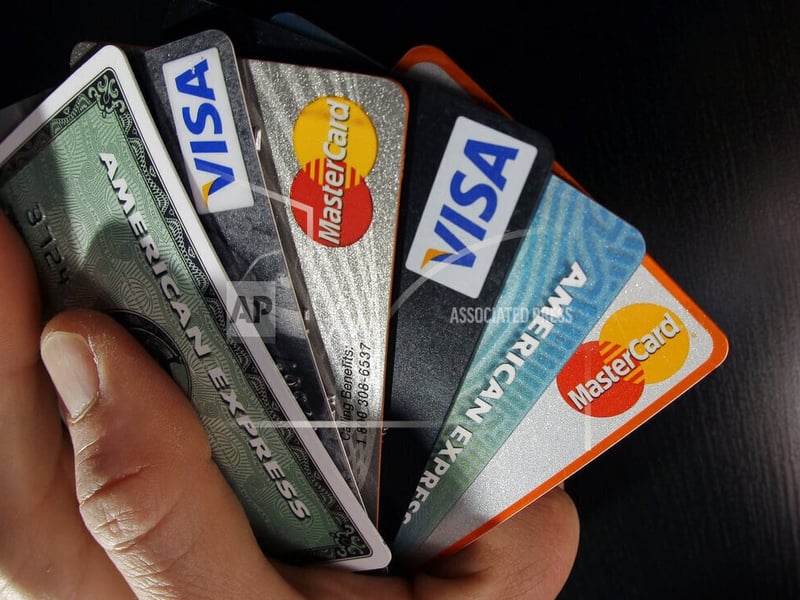
FORT WORTH, Texas (CN) — A federal judge in Texas Tuesday granted a joint motion by the Trump administration and a coalition of banking and business groups to vacate a Biden-era rule limiting credit card late fees to $8.
The Consumer Financial Protection Bureau finalized the rule last year as part of an effort by the Biden administration to target “junk fees” charged to consumers. But on Monday the CFPB joined six industry groups suing to block the rule in asking U.S. District Judge Mark Pittman of the Northern District of Texas to eliminate it, arguing that it violates federal law by not allowing credit card companies to charge fees that are “reasonable and proportional” to late payments.
Pittman, a Donald Trump appointee, previously issued a preliminary injunction blocking the rule from taking effect.
The CFPB did not immediately respond to a request for comment on the judgment. The six plaintiffs — the American Bankers Association, the U.S. Chamber of Commerce, Fort Worth Chamber of Commerce, Longview Chamber of Commerce, Consumer Bankers Association and Texas Association of Business — said in a statement that the rule’s elimination is “a win for consumers and common sense.”
“If the CFPB’s rule had gone into effect, it would have resulted in more late payments, lower credit scores, higher interest rates and reduced credit access for those who need it most,” the groups said. “It would have also penalized the millions of Americans who pay their credit card bills on time and reduced important incentives for consumers to manage their finances. We appreciate the CFPB’s recognition that the rule violated the law, and the Bureau’s willingness to resolve our legal challenge.”
The rule would have reduced the “safe harbor” amount card issuers could charge in late fees without penalty. The Credit Card Accountability Responsibility and Disclosure (CARD) Act of 2009 prohibits credit card companies from charging more in late fees than needed to recover the costs associated with a late payment, but it also includes a provision giving the Federal Reserve Board of Governors the authority to determine a reasonable maximum amount that card issuers can charge with the guarantee of not facing any penalty. In 2010, the Board of Governors set this amount at $25 for the first late payment and $35 for subsequent late payments, with the amounts adjustable each year for inflation. When the CFPB issued the new rule last year, those amounts had grown to $30 and $41, according to the bureau.
The new rule would have lowered the safe harbor threshold to $8 and ended automatic inflation adjustments for companies with one million or more open accounts.
In a statement last year announcing the new rule, then-CFPB Director Rohit Chopra said the change was necessary to stop credit card companies from “hiding behind the excuse of inflation when they hike fees on borrowers and boost their own bottom lines.”
But in their joint motion Monday, the CFPB and industry groups argued that the rule violated the CARD Act by not allowing card issuers to charge “reasonable and proportional” late fees.
President Trump has made it his goal to dismantle the CFPB, which was created to protect consumers from unfair or deceptive financial practices in the wake of the 2008 financial crisis. Last week, a D.C. Circuit Court of Appeals panel temporarily lifted part of a lower court order blocking mass layoffs of CFPB employees, but it left in place a portion of the order preventing the Trump administration from requiring the bureau to stop work on congressionally mandated functions.
Subscribe to our free newsletters
Our weekly newsletter Closing Arguments offers the latest about ongoing trials, major litigation and rulings in courthouses around the U.S. and the world, while the monthly Under the Lights dishes the legal dirt from Hollywood, sports, Big Tech and the arts.