Search Articles


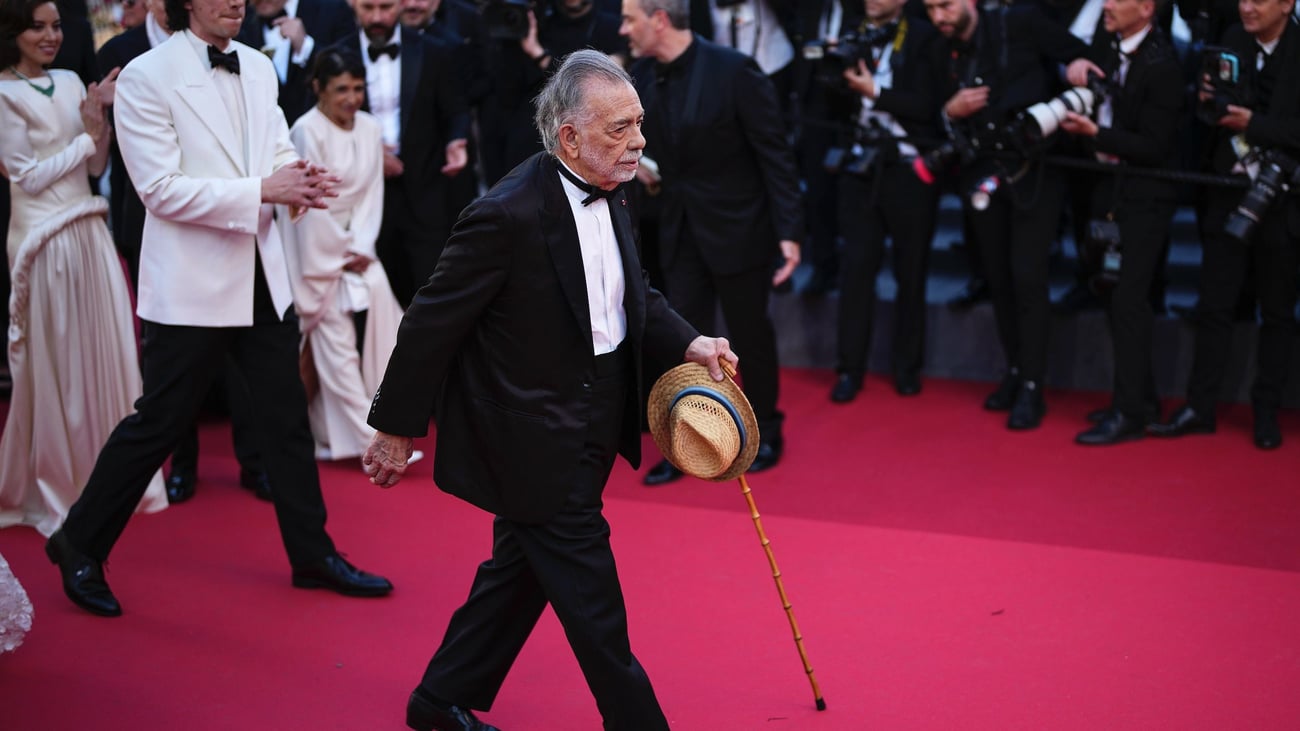
LOS ANGELES (CN) — Hollywood magazine Variety asked the California Courts of Appeal on Wednesday to overrule the trial court and dismiss a defamation lawsuit brought by acclaimed film director Francis Ford Coppola over a news story about his 2024 movie, “Megalopolis.”
The 87-year-old Coppola, who directed the first two Godfather movies and Apocalypse Now, is believed to have spent around $120 million to finance his latest movie, which made back less than $15 million at the box office — a disastrous commercial failure. Months before its premier, the Guardian ran a lengthy story about the movie’s long and troubled production. The story included anecdotes about Coppola’s strange behavior, including one in which the filmmaker “came on to the set and tried to kiss some of the topless and scantily clad female extras. He apparently claimed he was ’trying to get them in the mood.’”
Two months later, Variety published an article headlined: “Video of Francis Ford Coppola Kissing ‘Megalopolis’ Extras Surfaces as Crew Members Detail Unprofessional Behavior on Set (EXCLUSIVE).” In addition to kissing extras, Variety reported that the octogenarian director was “often inadvertently inserting himself into the shot and ruining it."
Coppola sued Variety — but not the Guardian — over libel, denying he ever hugged or kissed an actress who was topless.
“The average reader would understand that Coppola was so aged and infirm that he no longer knew how to direct a motion picture professionally or efficiently," the director argued.
Variety filed an anti-SLAPP motion to dismiss the lawsuit on First Amendment grounds, often a winning tactic for news publications. But in a somewhat surprising ruling, Superior Court Judge Christopher Liu denied the motion.
“Even if plaintiff did kiss the women, whether or not they were uncomfortable and thus did not welcome hugging and/or kissing — a defamatory implication that plaintiff was committing unwanted touching (battery) — is something that can only be ascertained through witness statements, and thus presents a question of fact,” Lui wrote.
He added that certain sentences not cited in the complaint “could be found to be defamatory.” For example, Variety quoted an anonymous source who said, “after multiple takes, Coppola got on a microphone and announced in earshot of everyone in the room, ‘Sorry, if I come up to you and kiss you. Just know it’s solely for my pleasure.’”
“This statement is probably false: Either plaintiff said this or he didn’t,” Lui wrote. “Moreover, it is capable of a defamatory meaning: that plaintiff was engaging in inappropriate kissing for his personal pleasure, not any directorial purpose.”
Variety appealed the ruling. On Wednesday, during oral arguments, Variety attorney Dan Laidman told a three-judge panel that while Coppola had denied kissing topless extras, the article only said he had tried to kiss topless extras, an important distinction.
“He hasn’t disputed what the article actually says,” Laidman said. “That alone is game over for that claim.”
Other parts of the article, Laidman said, were subjective opinions and not subject to libel law, such as the claim that cast members were made uncomfortable, or the assertion that Coppola had “ruined” some of the shots by appearing in them.
Robert Chapman, Coppola’s lawyer, argued that the term “ruined” was a provable statement of fact, and therefore potentially libelous. But the judges appeared skeptical.
“The idea that he ruined a scene, it seems so clearly to evoke an opinion or aesthetic judgment,” said Associate Justice Lamar Baker.
Associate Justice Dorothy Kim agreed, saying the word ‘ruined’ meant, “He made the shots unappealing to a viewer.” Chapman pushed back, arguing that it meant, “He physically got in the way — the shot cannot be used.”
The online version of Variety’s story included an embedded video showing Coppola kissing at least two clothed women on the cheek, and wrote that the footage “would appear to corroborate a bombshell report in the Guardian.”
“In fact, it shows nothing about topless actresses,” Chapman said.
“Doesn’t video tend to make it more likely that he would have been doing the same thing to other actresses that were topless?” asked Presiding Justice Brian Hoffstadt. “It lends credence to it.”
“I don’t agree with that at all,” Chapman answered. “There’s a difference between dressed and not dressed … Variety either knew that video did not show topless actresses, or didn’t even look at video.”
The judges took the matter under submission.
“Megalopolis” was savaged by critics, even winning two Golden Raspberry Awards, or “Razzies,” annual prizes given to the worst films of the year. Unlike most filmmakers, who simply ignore the satirical counter to the Oscars, Coppola proudly accepted his awards: “I am thrilled to accept the Razzie award in so many important categories for Megalopolis, and for the distinctive honor of being nominated as the worst director, worst screenplay, and worst picture at a time when so few have the courage to go against the prevailing trends of contemporary moviemaking!”
 Follow @hillelaron
Subscribe to our free newsletters
Our weekly newsletter Closing Arguments offers the latest about ongoing trials, major litigation and rulings in courthouses around the U.S. and the world, while the monthly Under the Lights dishes the legal dirt from Hollywood, sports, Big Tech and the arts.