
 Search Articles


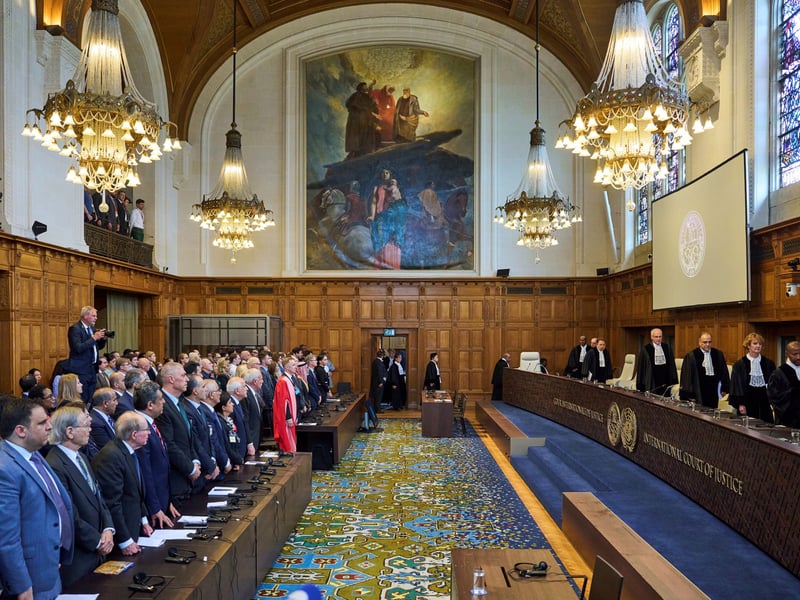
THE HAGUE, Netherlands (CN) — The U.S. has ramped up its clash with the International Criminal Court, slapping sanctions on four top officials over what Washington calls “illegitimate and baseless actions” targeting Americans and Israelis.
The State Department on Wednesday hit four ICC officials with penalties — Judges Kimberly Prost of Canada and Nicolas Guillou of France, along with Deputy Prosecutors Nazhat Shameem Khan of Fiji and Mame Mandiaye Niang of Senegal.
Secretary of State Marco Rubio said they crossed the line by backing efforts to investigate, arrest or prosecute U.S. and Israeli nationals “without the consent of either nation.”
Guillou was singled out for signing off on the ICC’s arrest warrants against Israeli Prime Minister Benjamin Netanyahu and former Defense Minister Yoav Gallant over war crimes in Gaza, according to the court. Prost drew U.S. ire for her ruling that opened the door to an investigation of American personnel in Afghanistan.
The U.S. hit Khan and Niang, now in the Office of the Prosecutor, with sanctions over keeping those Israeli arrest warrants in place.
This isn’t just a symbolic move. Any assets the four hold under U.S. jurisdiction are now frozen, and they’re cut off from the American financial system. On top of that, U.S. citizens and companies are banned from doing business with them unless the Treasury signs off on an exception.
Washington cast the move as a defense of sovereignty. “The court is a national security threat that has been an instrument for lawfare against the United States and our close ally Israel,” Rubio said, adding that the U.S. would take “whatever actions we deem necessary to protect our troops, our sovereignty and our allies.”
This clash has been building for months. Back in February, President Donald Trump signed Executive Order 14203, clearing the way for sanctions on ICC officials targeting U.S. or Israeli nationals. Since then, the administration has used it more than once to go after officials tied to cases it considers politically driven.
By pointing to decisions on Afghanistan and Gaza, the White House made clear the latest sanctions are aimed squarely at judges and prosecutors who signed off on some of the court’s most controversial moves.
The move further strains Washington’s already fraught relationship with the ICC. The United States and Israel never signed on to the Rome Statute that founded the tribunal, warning it could be used to haul their citizens into politicized cases.
The ICC swiftly pushed back. In a statement released the same day, it called the sanctions “a flagrant attack against the independence of an impartial judicial institution which operates under the mandate from 125 States Parties from all regions.”
The court stressed it would not be swayed, saying it will continue its work “undeterred, in strict accordance with its legal framework,” and that “the court stands firmly behind its personnel and victims of unimaginable atrocities.” It also urged member states and supporters of international justice to rally behind its judges and prosecutors despite U.S. pressure.
Whether the clash escalates further now depends on how Washington enforces its sanctions and on how firmly the ICC’s member states choose to stand behind the court.
Courthouse News reporter Eunseo Hong is based in the Netherlands.
Subscribe to our free newsletters
Our weekly newsletter Closing Arguments offers the latest about ongoing trials, major litigation and rulings in courthouses around the U.S. and the world, while the monthly Under the Lights dishes the legal dirt from Hollywood, sports, Big Tech and the arts.