
 Search Articles


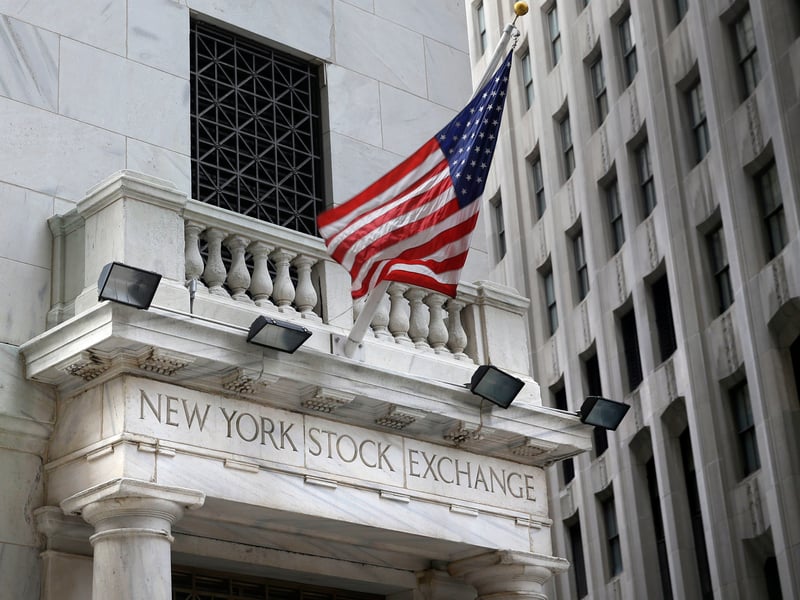
MANHATTAN (CN) — Wall Street had one of its wildest weeks in some time, with equities moving precipitously in both directions as investors try to suss out the Federal Reserve’s next move on interest rates.
Markets saw huge “down” days Monday and Thursday, while the “up” days on Tuesday and Friday helped keep investors from losing too much value. By the closing bell on Friday, the Dow Jones Industrial Average lost 902 points for the week, while the S&P 500 and Nasdaq were down 131 points and 627 points, respectively.
Huge fluctuations in tech stocks, led mostly by chipmaker Nvidia, also suggest investors still grapple with whether the artificial intelligence bubble is about to pop, or if this week’s volatility is merely a blip.
“Our base case is that the bubble in AI hasn’t burst,” John Higgins, chief markets economist at Capital Economics, wrote in an investor’s note. “But given Thursday’s pullback in equities, it isn’t out of the question that it is starting to burst now.”
Investors are once again focused on whether the Federal Reserve will cut interest rates next month, and this week’s overdue and lackluster jobs report did not help doves or hawks solidify their opinions.
While the headline print of 119,000 jobs added in September was better than expected, the 33,000 downward revisions to the July and August reports disappointed investors.
Unfortunately for investors, the Fed won’t have another jobs report — or much more inflation data — before they meet again on Dec. 10, and minutes from their last meeting suggest “several” voting members were against lowering rates in October and that “most participants” thought further cuts “could add to the risk of higher inflation becoming entrenched.”
Experts are now split as to whether the Fed will cut the federal funds rate — which currently sits at 3.75% to 4% — when it meets against in December.
“Futures markets now put he odds of a December rate cut at only 25%,” Paul Ashworth, chief North America economist at Oxford Economics, wrote in an investor’s note. “We agree the next cut will probably now be delayed until January.”
Other factors this week provide some justification for a rate cut sooner rather than later, however. Consumer sentiment fell once again, according to the latest index from the University of Michigan. “Cost-of-living concerns and income worries dominate consumer views of the economy across the country,” said Joanne Hsu, economist at the university.
The index fell to 51 points this month, nearly 30% lower than it was a year ago, with consumers rating the current economy as the worst time to purchase durable goods in the last four decades. The university’s “current conditions” index also has fallen by about 20% since November 2024.
“While the end of the federal shutdown was surely welcomed, consumers had not been anticipating long-run consequences of the shutdown,” she continued. “Stock market performance has been influencing economic attitudes for consumers with large holdings, with little effect on the rest of the population.”
 Follow @NickRummell
Subscribe to our free newsletters
Our weekly newsletter Closing Arguments offers the latest about ongoing trials, major litigation and rulings in courthouses around the U.S. and the world, while the monthly Under the Lights dishes the legal dirt from Hollywood, sports, Big Tech and the arts.