
 Search Articles


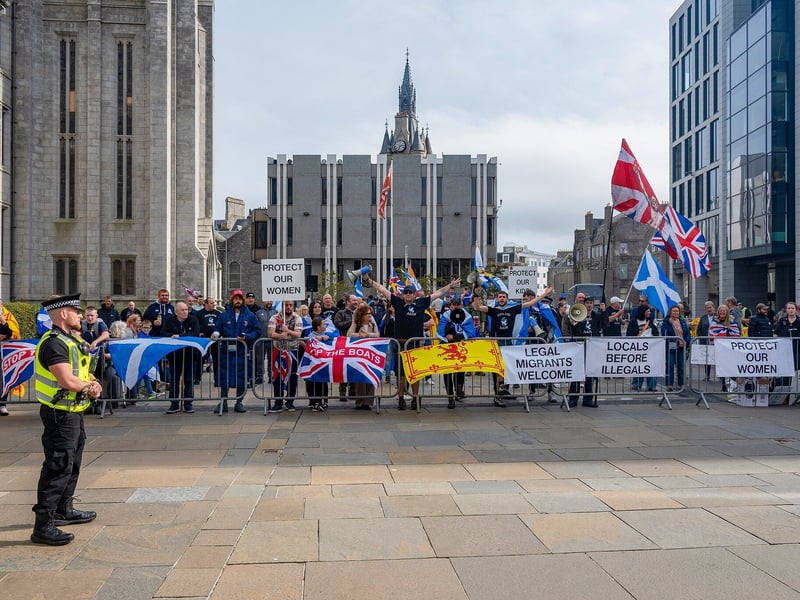
MANCHESTER, England (CN) — Prime Minister Keir Starmer said the government plans to begin housing asylum-seekers in military barracks by the end of the year, as part of an effort to close the hotels used to accommodate tens of thousands of people.
“I’m really angry that we’ve been left with this complete mess by the last government,” Starmer said on Tuesday. “They didn’t process tens of thousands of asylum-seekers and that meant that people who had no right to be here couldn’t be removed because they hadn’t been processed.”
The two chosen military sites, Cameron Barracks in Inverness, Scotland, and Crowborough army training camp in East Sussex, England, will house about 900 men. Around 32,000 asylum-seekers are housed in hotels.
“The last government opened up lots and lots of hotels,” the prime minister said. “I want to see them closed down as quickly as possible.” He added: “Where we can use military bases we should be using military bases.”
The government has promised to close all asylum hotels by 2029 following multiple protests outside the facilities across the country.
Defense Minister Luke Pollard said the move would “take the pressure off the asylum hotel estate and enable those to be closed at a faster rate.”
The two military sites were used to accommodate Afghan families evacuated during the 2021 withdrawal from Kabul.
Barracks more expensive
Last year, the National Audit Office found that large sites such as military bases would cost more to accommodate asylum-seekers than hotels.
Pollard said costs were still being assessed but “will depend on the base.” He added: “I think there’s something of greater significance that we’ve seen over the past few months, and that is the absolute public appetite to see every asylum hotel closed.”
In a separate report published on Monday, a parliamentary report said the U.K. had “squandered billions” on housing asylum-seekers as a result of “flawed contracts” and unsuitable accommodation.
The report found that the cost of accommodation between 2019 and 2029 is expected to triple to $20.4 billion. The Labour government has cut the number of hotels used for asylum-seekers from 400 in 2023 to 210 since taking office last year, but the report found it is still “heavily reliant” on them.
Local backlash in Inverness
Inverness member of Parliament Angus MacDonald said he supported using military sites but opposed housing asylum-seekers at Cameron Barracks, which is located in the center of the town.
“It’s effectively the same,” he said. “I very much thought the idea of putting them in army camps was to have them out of town, and make them less of an issue for the local population.”
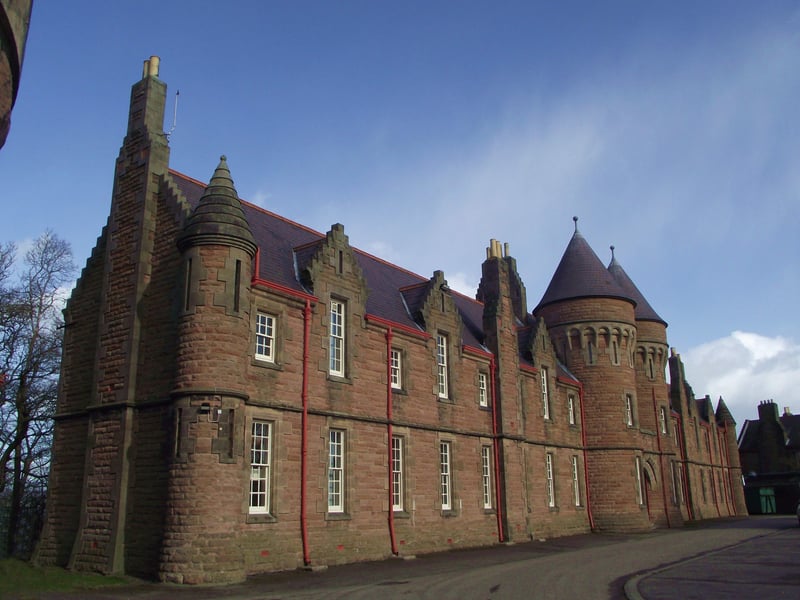
The Highland Council, the local government authority for the whole of the Scottish Highlands, including Inverness, accused the U.K. government of failing to consider the local impact.
“Our main concern is the impact this proposal will have on community cohesion given the scale of the proposals as they currently stand,” the council said in a statement.
“Inverness is a relatively small community but the potential impact locally and across the wider Highlands appears not to have been taken into consideration by the U.K. government,” it said.
Charities warn of further harm
Humanitarian groups have criticized the decision.
Steve Smith, chief executive of Care4Calais, said: “Opening more camps will only serve to retraumatize more people who have already survived horrors such as war and torture.” He added, “They cost more than the hotels they seek to replace when you include the exorbitant setup costs of such sites.”
Refugee Council chief executive Enver Solomon said the government could end the use of hotels without turning to military bases “by putting in place a one-off scheme that would give permission to stay for a limited period, subject to rigorous security checks, to people from countries almost certain to be recognized as refugees.”
Solomon said: “This would enable people who will ultimately remain in the U.K. to be able to get on with their lives, finding jobs and contributing to their communities.”
With public anger over asylum hotels, the government will look to press ahead. While housing asylum-seekers in barracks may cost more financially than hotels, the political cost of inaction could prove higher.
Courthouse News reporter James Francis Whitehead is based in England.
 Follow @jayfranklinlive
Subscribe to our free newsletters
Our weekly newsletter Closing Arguments offers the latest about ongoing trials, major litigation and rulings in courthouses around the U.S. and the world, while the monthly Under the Lights dishes the legal dirt from Hollywood, sports, Big Tech and the arts.