
 Search Articles


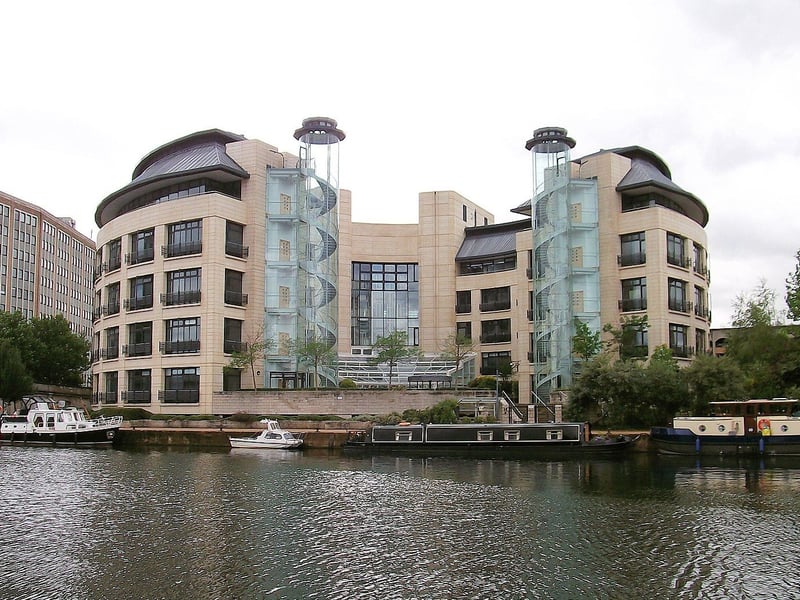
(CN) — The British government placed the country’s largest water supplier into emergency measures today, amid a growing crisis in the water industry that has left the U.K. with polluted waterways and deteriorating infrastructure.
Thames Water — the company that provides water to London and surrounding areas — will now be subject to increased public scrutiny of its finances and operations, after the government water regulator Ofwat branded the company’s business plan “unsatisfactory” and “lacking ambition.”
Thames Water is burdened with more than 15 billion pounds ($19.4 billion) of debt. Ofwat is now in a position to restrict how much more debt the company can take on, as it carefully monitors the monopoly firm’s balance sheet. Ofwat’s intervention is essentially a last chance reprieve for Thames Water to try and raise private equity — something it has struggled to do for months.
The decision to intervene comes amid broader disquiet over the state of water provision in the United Kingdom. The country is in the midst of a water pollution scandal, with rivers and coastline increasingly subject to widespread sewage dumping. At the same time, many of the country’s water companies are on the brink of bankruptcy and unable to keep up with much needed maintenance work.
The newly elected Keir Starmer government highlighted the potential collapse of Thames Water as a key challenge it would face upon entering office.
As part of the intervention, Ofwat has permitted Thames Water to raise consumer bills by 21% over the next five years — less than the 44% increase the company had requested. In return, Thames Water must reduce sewage spills by 64%, relative to 2021 levels. Failure to abide by these terms could see the company forcibly broken up, or even result in nationalization.
Data studied by London’s City Hall shows that the number of hours in which untreated sewage was dumped into the River Thames quadrupled in 2023 compared to the previous year. Along with the river becoming a major public health hazard, there have been sporadic reports of drinking water contamination in London and surrounding areas, with some incidents resulting in people being hospitalized.
“Customers want to see radical change in the way water companies care for the environment. Let me be very clear to water companies. We will be closely scrutinizing the delivery of their plans and will hold them to account,” said Ofwat Chief Executive David Black in a statement.
Water pollution has become a major political scandal in the United Kingdom in the past few years. Water companies are officially only allowed to dump raw sewage in waterways under specific circumstances, such as during storms.
In practice, however, the under-resourced Environment Agency regulator has become increasingly unable to monitor widespread sewage dumping as the impact of government budget cuts has restricted its activity.
Last year water companies apologized to the public for the state of the country’s waterways. “More should have been done to address the issue of spillages sooner and the public is right to be upset about the current quality of our rivers and beaches,” industry body Water UK said in a statement.
The apology came amid rising anger across the country at regulators’ seeming inability to prevent sewage dumping destroying natural habitats, including England’s iconic Lake Windermere.
High profile clean river campaigner Feargal Sharkey has increasingly directed his ire at perceived regulatory failures, telling an ITV morning show Thursday, “The truth is Ofwat has failed. I think its time as we the general public and bill payers started holding them properly to account by making our rage known.”
The special measures Ofwat enforced on Thames Water are unprecedented but provide a model regulators could take with other teetering water monopolies around the country.
While the measures give shareholders a temporary reprieve from the possibility of nationalization, there is a high chance that such a window could be too little too late for a company recently described as “uninvestable” by pension funds USS and Omers.
The new Labour government has been vocally reluctant to take the water industry into public ownership, despite such a policy frequently polling as highly popular among the public — and in particular among the Labour Party’s membership.
Starmer’s reluctance in part stems from an ideological aversion to public ownership. However, it is primarily a practical consideration — the new government has strict fiscal rules on spending and debt and is reluctant to take new overheads onto the public balance sheet. And the water industry comes with particularly big overheads — in total, water companies are leveraged to the tune of more than 60 billion pounds ($77.4 billion).
Alongside Ofwat’s intervention, new Environment Secretary Steve Reed is meeting with every water company executive in a bid to reset the industry. He is due to announce a range of reforms, including customer panels with the power to summon board members, and consumer entitlements to refunds when water services are disrupted.
“This unacceptable destruction of our waterways should never have been allowed, but change has now begun so it can never happen again,” Reed said in a statement released Thursday.
“That change will take time. Over the coming weeks and months, this government will outline further steps to reform the water sector and restore our rivers, lakes and seas to good health,” he said.
Subscribe to our free newsletters
Our weekly newsletter Closing Arguments offers the latest about ongoing trials, major litigation and rulings in courthouses around the U.S. and the world, while the monthly Under the Lights dishes the legal dirt from Hollywood, sports, Big Tech and the arts.