Search Articles


MANCHESTER, England (CN) — Britain’s Covid-19 Inquiry panel concluded Tuesday that governments across the United Kingdom entered the pandemic dangerously unprepared to procure and distribute lifesaving medical equipment.
It found that nearly 10 billion pounds ($13 billion) worth of personal protective equipment was wasted and that emergency systems left taxpayers exposed to enormous losses.
In its fifth report, the independent public inquiry found ministers and officials were forced to improvise procurement systems because planning for a pandemic had been inadequate.
The panel in its 252-page report examined how governments in England, Scotland, Wales and Northern Ireland bought and distributed PPE, ventilators, oxygen and testing equipment during the Covid-19 crisis.
“The U.K. government and devolved administrations were wholly unprepared to increase rapidly the scale and speed of their emergency procurement and distribution operations,” inquiry chair Heather Hallett wrote. “As a result of this failure of planning, they had to improvise and establish new — and, until then, untested — emergency procurement and distribution systems.”
VIP Lanes “should not be repeated”
Hallett described the “vast” waste in pandemic procurement amount to two-thirds of government spending on PPE. This was due to overbuying, unusable equipment and other failures.
The inquiry identified widespread weaknesses before the pandemic, including an inadequately managed national stockpile, outdated technology, poor data sharing, insufficient procurement expertise and a lack of plans to rapidly expand purchasing and distribution during a public health emergency.
It also concluded the government’s controversial VIP Lane (also called the High Priority Lane) undermined confidence in the procurement system by favoring suppliers with political connections.
“The existence of the High Priority Lane has led to allegations of cronyism and corruption,” Hallett wrote.
Although the inquiry said it found no cronyism or corruption by ministers or officials in their final decisions to award contracts, it found examples of favorable treatment for suppliers referred through the fast-track system.
The inquiry concluded the lane “should not have been set up and should not be repeated.”
Gavin Hayman, co-chair of the U.K. Anti-Corruption Coalition, said the inquiry showed Britain’s pandemic response had been undermined by awarding major contracts to “untested companies.”
“The government must now act on all the inquiry’s findings, recover public money and make sure the next crisis is handled with transparency, fairness and proper accountability from day one,” he said.
One chapter of the report examining PPE Medpro was withheld because of an inquiry restriction order to protect an ongoing criminal investigation.
PPE Medpro was a company linked to Conservative lawmaker Michelle Mone and her husband, Douglas Barrowman, which received government contracts worth more than 200 million pounds during the pandemic after being referred through the High Priority Lane.
The U.K.’s National Crime Agency continues to investigate suspected offenses linked to those contracts.
Mone and Barrowman have denied wrongdoing.
The chapter will remain unpublished until any criminal proceedings conclude or the restriction is lifted.
Hallett’s recommendations
Hallett made 11 recommendations, including overhauling emergency procurement systems and strengthening domestic manufacturing capacity.
It suggested improving pandemic stockpiles, expanding specialist procurement training and creating technology capable of sharing real-time supply data across governments in all four U.K. nations.
The report also calls for an emergency trade and industrial strategy treating critical healthcare equipment as a strategic national asset to reduce reliance on overseas suppliers, particularly China.
The findings are expected to shape how governments prepare for future pandemics while adding to scrutiny over controversial Covid-era contracts that remain under criminal investigation.
The prime minister’s spokeswoman said the government is “committed to learning the lessons of the Covid inquiry so that we are protected and prepared for the future. And we will of course carefully consider the inquiry’s recommendations in detail and we will respond in due course."
More investigations to come
Tuesday’s report is the fifth of 10 planned investigations into Britain’s pandemic response.
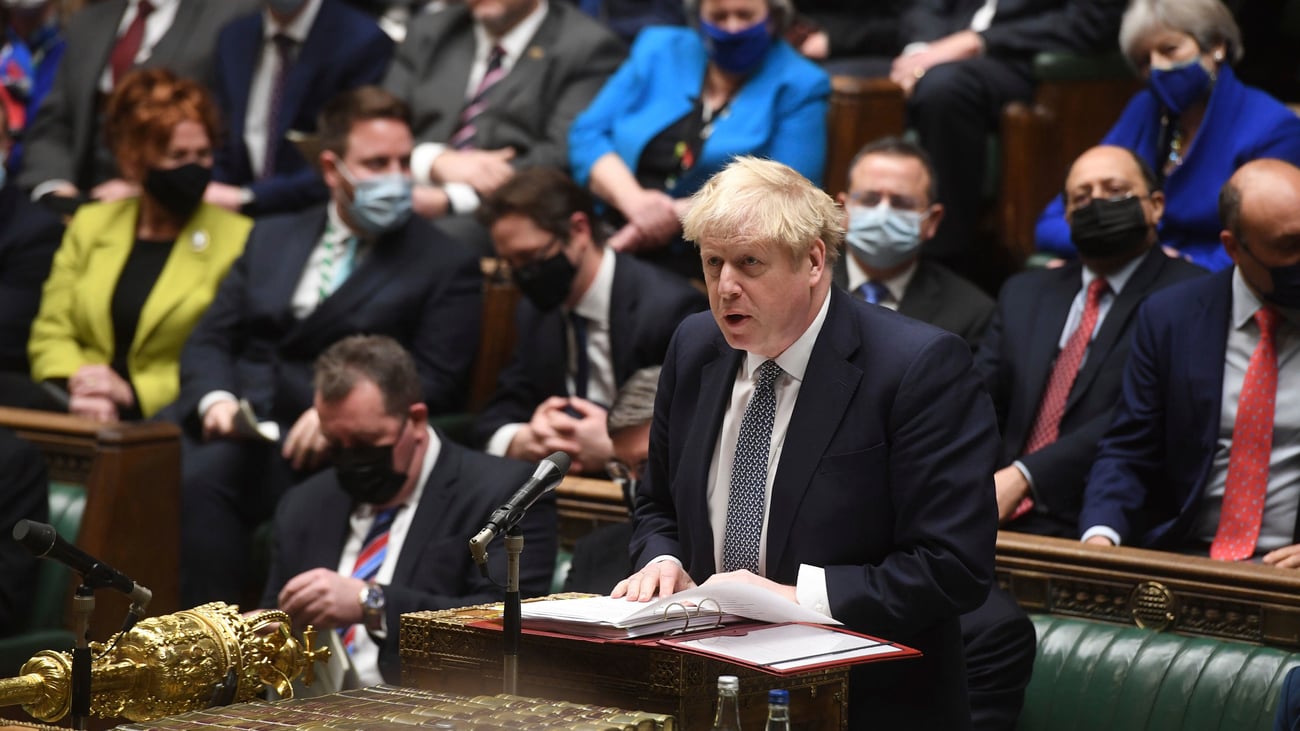
In November, the inquiry’s fourth report concluded former Prime Minister Boris Johnson’s government reacted too slowly during the early months of 2020, describing that February as a “lost month” and finding earlier action could have saved thousands of lives.
Bereaved families subsequently called for Johnson to face legal consequences, while the government said it would study the recommendations.
The full inquiry is expected to last a further couple of years. The next report, examining the care sector, is expected in autumn.
Courthouse News reporter James Francis Whitehead is based in England.
 Follow @jayfranklinlive
Subscribe to our free newsletters
Our weekly newsletter Closing Arguments offers the latest about ongoing trials, major litigation and rulings in courthouses around the U.S. and the world, while the monthly Under the Lights dishes the legal dirt from Hollywood, sports, Big Tech and the arts.
Additional Reads
 France flexes military might alongside allies in Paris July 14, 2026
 After appellate defeats, Trump pays Carroll $5 million July 14, 2026