Search Articles


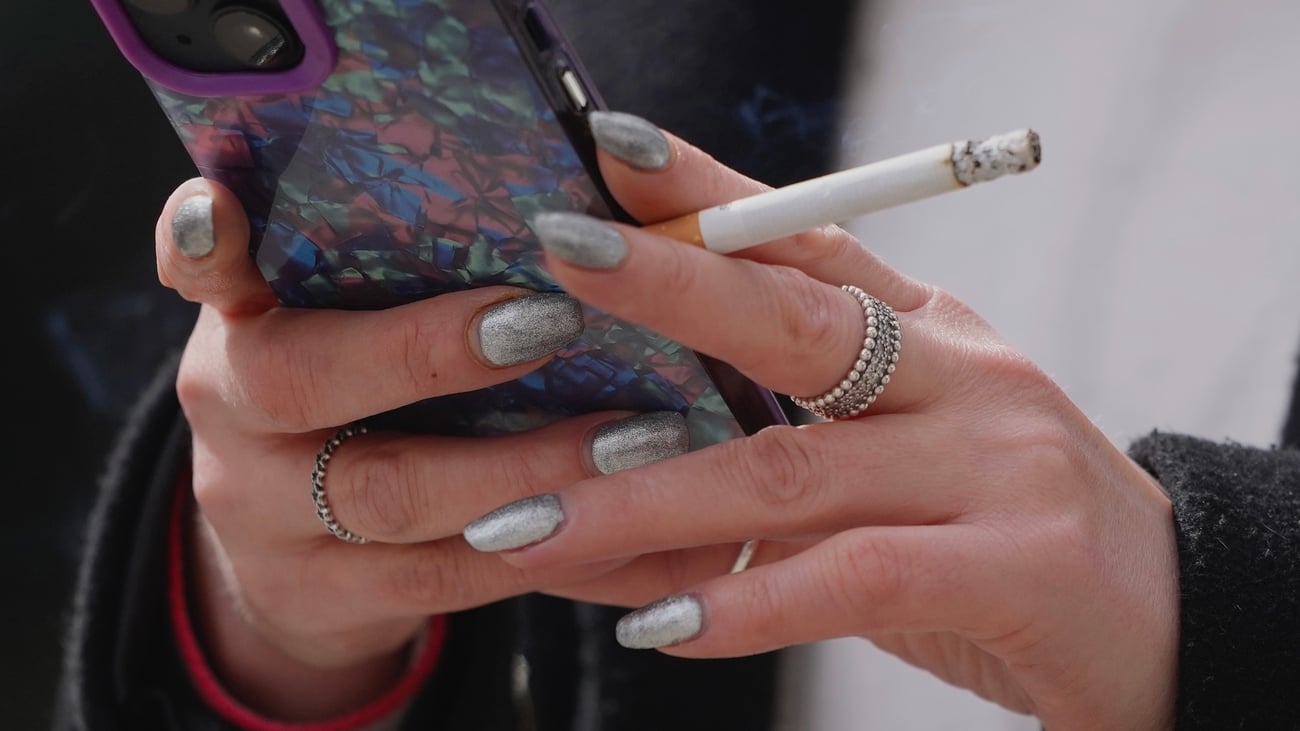
MANCHESTER, England (CN) — The United Kingdom moved to phase out smoking for future generations Tuesday after lawmakers approved a bill banning cigarette sales to anyone born after 2008, one of the most far-reaching anti-tobacco measures in the world.
The Tobacco and Vapes Bill, which cleared both houses of Parliament, makes it illegal to sell tobacco, herbal smoking products or cigarette papers to anyone born on or after Jan. 1, 2009.
The ban will mean today’s children will never legally be sold cigarettes in the U.K.
The bill also introduces a complete ban on snus, a form of oral tobacco placed between the gum and lip that is popular in parts of Scandinavia. It is already restricted in the European Union, and the new law makes it a criminal offense to manufacture, sell or supply it anywhere in the U.K.
The legislation sets out enforcement powers including fixed fines of 200 pounds (about $270) for minor breaches, such as failing to check a buyer’s age, and tougher sanctions for repeat offenders.
Courts can ban shops or individuals from selling tobacco and vaping products for up to one year if they repeatedly break the law.
The bill passed its final hurdle today in the House of Lords, the unelected upper chamber of Parliament that reviews and amends bills. It now awaits royal assent — a largely ceremonial formality — before coming into law.
The law also gives ministers broad powers to regulate vaping products, restrict flavors and packaging, while expanding smoke-free and vape-free areas in public spaces, such as playgrounds and outside schools and hospitals.
Vaping will be banned in cars carrying children.
Support for a smoke-free future
The bill marks a major shift in British health policy, aiming to eliminate smoking over time rather than simply reduce it.
Smoking remains one of the country’s leading causes of preventable death and disease, with the National Health Service attributing 74,600 deaths to smoking in a year.
“This afternoon marks the end of this bill’s journey throughout Parliament,” Health Minister Gillian Merron told the House of Lords. “It is a landmark bill. It will create a smoke-free generation.”
The bill passed with broad support across political parties, though some lawmakers raised concerns about its impact on businesses.
Michael Morris, a Conservative lawmaker, said the measure would upset retailers and others in the tobacco industry. He argued the government should focus more on education to discourage smoking.
Public health groups welcomed the legislation.
Hazel Cheeseman, chief executive at Action on Smoking and Health, called the action “a decisive turning point for public health."
“The end of smoking, and the devastating harm it causes, is no longer uncertain — it’s inevitable, and the focus now is on how soon we get there. Over the past half-century, smoking has claimed millions of lives across the U.K., leaving a legacy of preventable pain and loss. Ending its harm is a lasting gift to generations ahead and families everywhere can now feel secure that their children can grow up free from the harm of tobacco,” Cheeseman said.
Sarah Sleet, chief executive of Asthma and Lung UK, said the bill could transform the nation’s health but warned more support is needed for current smokers.
“Now that this groundbreaking bill is finally over the line, we have a chance to go further to protect public health and hold the tobacco industry to account,” she said, calling for stronger funding for smoking cessation services.
Public support has also remained strong.
A 2025 survey found 68% of adults in England backed the plan to create a “smoke-free generation,” including more than half of smokers.
Tighter rules on vaping
The law also tightens rules on vaping, particularly among young people.
It bans vape vending machines, currently found mainly in adult-only venues like bars, pubs and nightclubs, except for in areas of mental health hospitals.
While vaping will be banned in many public places where children are likely to be present, it will remain allowed in outdoor areas like pub gardens and private homes.
The changes come as vaping has surged in popularity.
Smoking rates have been falling for decades, since 1974 when around 45% of adults smoked in the U.K.
In 2024, for the first time, more adults in Great Britain used e-cigarettes than smoked traditional cigarettes, according to the Office for National Statistics.
About 10% of adults vape, compared with 9.1% who smoke.
Among young people ages 11 to 17, about 7% currently vape, with one in five having tried vaping, which is an estimated 1.1 million young people.
This raises concerns about nicotine use among teenagers and the way vapes are marketed.
The policy builds on earlier efforts to curb smoking in the U.K., but goes further than previous laws by introducing a “generational ban” rather than setting a fixed legal age.
The legislation was first proposed in 2023 by then–Conservative Prime Minister Rishi Sunak, but stalled when Parliament was dissolved ahead of a general election.
The new Labour government reintroduced it in 2024 and pushed it through with cross-party backing.
Courthouse News reporter James Francis Whitehead is based in England.
 Follow @jayfranklinlive
Subscribe to our free newsletters
Our weekly newsletter Closing Arguments offers the latest about ongoing trials, major litigation and rulings in courthouses around the U.S. and the world, while the monthly Under the Lights dishes the legal dirt from Hollywood, sports, Big Tech and the arts.