
 Search Articles


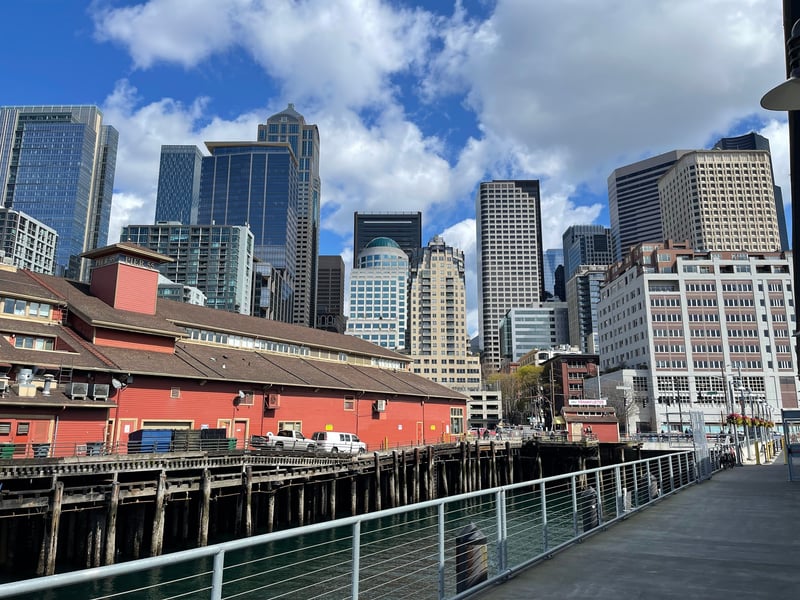
SEATTLE (CN) — Since Jan. 1, companies with over 250 gig workers have had to abide by a Seattle ordinance intended to provide protections for app-based employees, but Uber and Instacart argued before a Ninth Circuit panel on Thursday that it violates their constitutional right to free speech.
“ The city cannot explain why it needs a direct standalone regulation of the contents of a written policy in order to meet its economic objectives,” argued David Zionts, an attorney with Covington and Burling representing Uber.
Seattle passed its App-Based Worker Deactivation Rights Ordinance in August 2023. The law is intended to provide protections for gig workers, specifically focusing on the reason a driver or courier’s account may be deactivated or taken offline. It prohibits companies with 250 or more app-based employees worldwide from deactivating workers without having a clear policy and explanation behind the action.
Uber sued Seattle over the ordinance in December 2024, accusing the city of violating its First Amendment rights and compelling the company to voice the city’s views rather than its own. Maplebear, the parent company of the grocery delivery service Instacart, joined the suit.
On New Year’s Eve, a federal judge in Seattle declined to grant the delivery apps the relief they sought, allowing the ordinance to take effect the next day. U.S. District Judge Marsha Pechman found that the ordinance only “limits the grounds on which Uber may justify a termination” and requires them to be related to safety and efficiency without requiring the company to define what it believes is safe or efficient.
On appeal, Zionts admitted the company has complied with the ordinance since it went into effect, even though it believes doing so violates its First Amendment rights.
U.S. Circuit Judge Richard Clifton, a George W. Bush appointee, questioned why the companies’ First Amendment violations couldn’t be cured by adding text explaining that its position is at odds with the ordinance.
“The problem here is they did something different,” Zionts responded, arguing that the fact that the ordinance forces Uber to write a policy based on the city’s judgments about safety and efficiency is a violation.
The three-judge panel didn’t appear convinced.
“Again, the policy regulates conduct. That is, when to deactivate, when you’re not allowed to deactivate,” remarked U.S. Circuit Judge Susan Graber, a Bill Clinton appointee.
However, the panel scrutinized Seattle’s position as well.
U.S. District Judge Mark Bennett noted that in order for a company to fire a gig worker, it must determine what constitutes safe and efficient operations, then decide what is reasonably related and then determine what to put as the grounds for firing.
“I’m having trouble understanding why that’s not speech,” said Bennett, a Donald Trump appointee. “I would agree with you that it’s commercial speech. I don’t think it’s subject to strict scrutiny, but why isn’t it speech?”
Seattle argued that it falls under a conduct regulation.
“The ordinance articulates a standard. What [the companies] are being required to do now is to change their policies,” said Jessica Goldman, attorney with Summit Law representing the city.
One of the motivators behind the ordinance was to allow workers to understand and potentially appeal their deactivations.
“They had no human beings in the process,” Goldman said.
“You’ve forbidden at-will employees,” Bennett remarked, though Goldman pushed back on that and clarified the city’s position is merely that the companies cannot discriminate against their workers.
Uber argued that the ordinance unreasonably polices the company’s speech, though Clifton disagreed.
“They’re not saying, ‘You are in trouble because you said this,’ they’re saying, ‘You are in trouble because this policy isn’t reasonably related to a safe and efficient operation,” Clifton said. “I don’t see it as speech regulation.”
The panel did not indicate when it would rule.
Subscribe to our free newsletters
Our weekly newsletter Closing Arguments offers the latest about ongoing trials, major litigation and rulings in courthouses around the U.S. and the world, while the monthly Under the Lights dishes the legal dirt from Hollywood, sports, Big Tech and the arts.