
 Search Articles


(CN) — President Donald Trump has nominated former game warden and wildlife director Brian Nesvik to serve as U.S. Fish and Wildlife Service director — a move blasted by conservationists who say Nesvik will strip protections from endangered species.
“Trump is declaring war on wolves, grizzly bears and imperiled wildlife across America by picking Brian Nesvik to run the Fish and Wildlife Service,” Center for Biological Diversity deputy director of government affairs Stephanie Kurose said in a statement. “You only put a guy like this in charge of protecting endangered animals if you want to see them wiped out.”
And shortly after Trump’s announcement, multiple environmental nonprofit organizations denounced the Trump administration’s pick. They highlighted a series of controversies in Nesvik’s career, which included a stint as the game director for Pinedale, Wyoming, before becoming the state’s Game and Fish Department director until he retired this past September.
In 2024, video of a Wyoming man showing off an injured and crudely muzzled juvenile wolf inside of a bar began to spread on social media. The man had reportedly ran the wolf over with a snowmobile before dragging it to the bar and eventually shooting it to death.
Because it’s legal in Wyoming to run a wolf over with a snowmobile as long as the wolf dies, and amid reports that investigations were hindered by minimal cooperation from witnesses, the man was only ticketed for illegally possessing a live wolf and forced to pay a $250 fine.
Kurose said she believes Nesvik likely could, and should, have done more.
“His idea of management is killing wolves by running them over with snowmobiles, sometimes multiple times, until they die,” Kurose said in an interview. “That is not wildlife management. That is not ethical hunting. It’s animal cruelty and a disturbing foreshadowing of the attitude that he’s going to be bringing to the Fish and Wildlife Service.”
Potentially more concerning for conservationists like Kurose, however, is Nesvik’s history of opposing federal protections for wildlife under the Endangered Species Act (ESA).
In 2020, Nesvik co-wrote an editorial stating that the Endangered Species Act “must be pruned” to allow states to make their own rules on conservation.
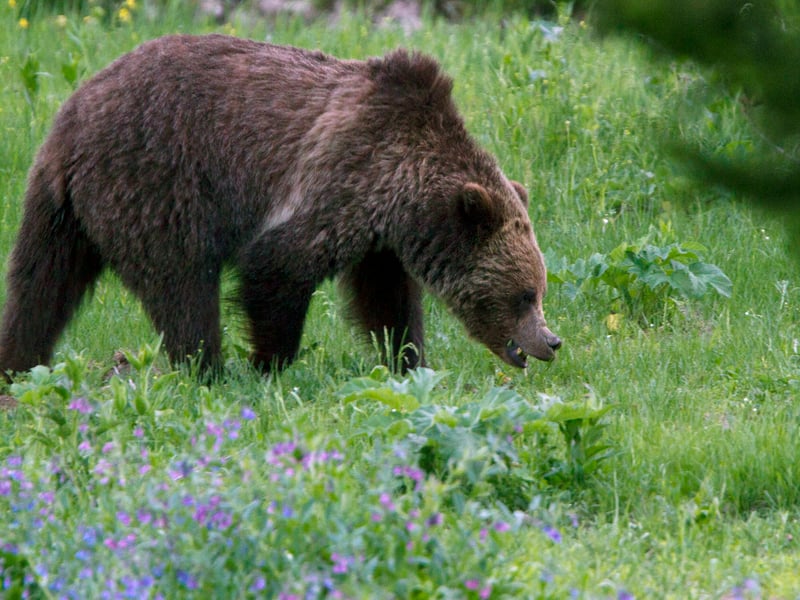
And in 2023, Nesvik testified in Congress to support three bills that would have removed all gray wolf populations and certain grizzly bear populations from the Endangered Species Act, suggesting that the act had grown outdated and that individual states would be more qualified to manage their wildlife.
“The Greater Yellowstone Ecosystem grizzly bear success must be recognized and celebrated,” Nesvik told Congress. “Delisting this population now, by whatever means, is clearly in the best interest of the grizzly bear, the people of our state, and the ESA’s credibility.”
However, while Nesvik championed that the Greater Yellowstone Ecosystem grizzly bear population had met minimum population numbers for recovery, Kurose believes not enough progress has been made to roll back conservation efforts yet.
“That’s the very bare minimum, and that doesn’t necessarily mean that the species as a whole is recovered,” Kurose said. “The Fish and Wildlife Service is just following the best available science, and they’ve repeatedly found that grizzly bears still need protection. They are not fully recovered.”
Kurose also challenged Nesvik’s assertion that state governments would be more qualified to manage at-risk wildlife populations.
“The Endangered Species Act is like an emergency room,” Kurose said. “States do have primary jurisdiction over wildlife within their borders — it’s only when the state fails to manage and protect those species so spectacularly that the ESA kicks in and they ultimately need ESA protections. So returning endangered species management back to the states when they’ve historically failed to manage them properly is really disingenuous, and hugely problematic.”
Mirroring Kurose’s concerns in a Wednesday press release, Sierra Club deputy legislative director for wildlife and lands protection Bradley Williams panned the Trump administration’s nomination of Nesvik, but suggested it did not come as a surprise.
“From his first day in office, Donald Trump has made it clear that he views the Endangered Species Act as a roadblock to his pro-polluter agenda rather than a duty to uphold,” Williams wrote. “If his goal is to put as many species on the brink of extinction as possible, he’s found the perfect candidate in Brian Nesvik.”
Nesvik has his supporters, however. Shortly after the nomination was announced by Congress Tuesday, U.S. Senator Cynthia Lummis — a Republican from Wyoming — praised the nomination, calling it a “great decision.”
“Brian has spent his entire career serving the people of Wyoming and working alongside outfitters, hunters, landowners, fishermen and anyone else who loves the great outdoors,” Lummis said. “That attitude and passion for balancing wildlife conservation and recreational access will serve him well in this important role.”
Wyoming Governor Mark Gordon also issued a statement of “strong support,” calling Nesvik a friend of his.
“Brian could not be more qualified and suited to serve in this significant role,” Gordon said in a statement. “He has had a long career in wildlife conservation and boasts extensive experience and leadership dealing with the complexities of endangered species issues.”
If confirmed by Congress, Nesvik would oversee approximately 8,000 employees and over 850 million acres of land and waters.
 Follow @JacksonHeals
Subscribe to our free newsletters
Our weekly newsletter Closing Arguments offers the latest about ongoing trials, major litigation and rulings in courthouses around the U.S. and the world, while the monthly Under the Lights dishes the legal dirt from Hollywood, sports, Big Tech and the arts.