Search Articles


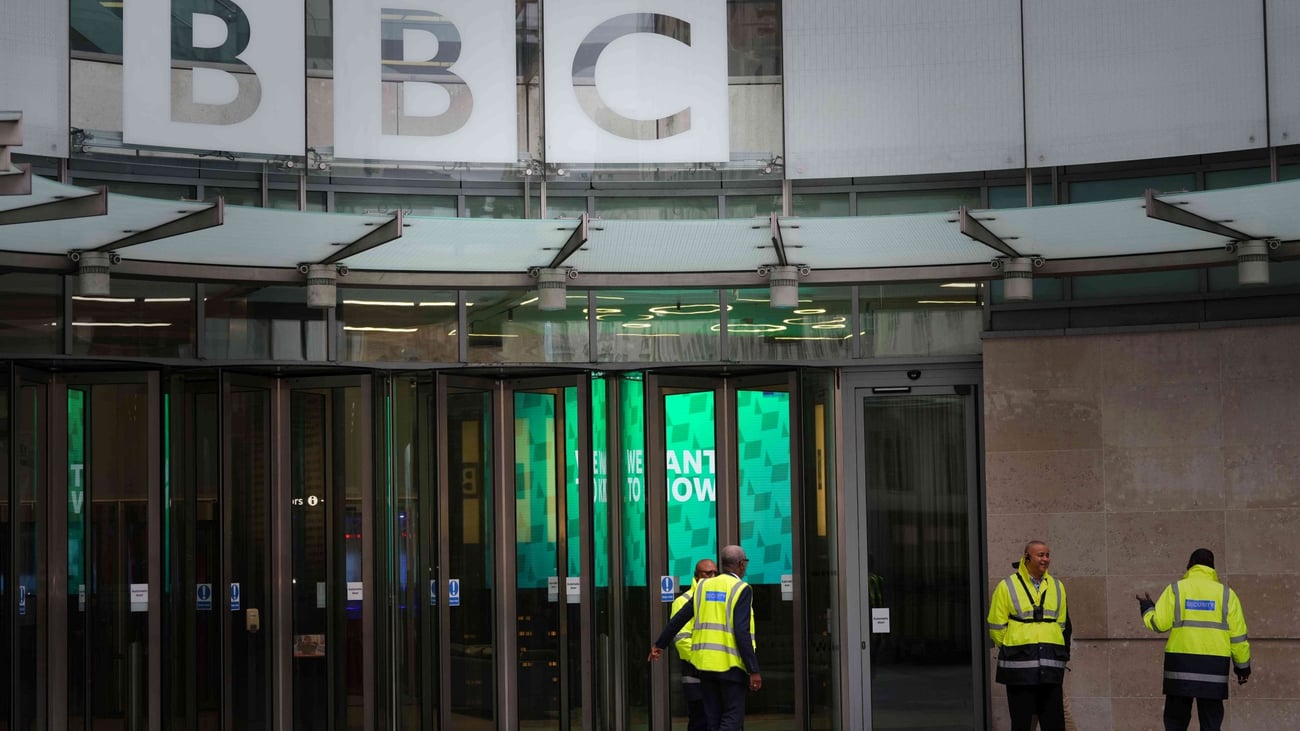
MIAMI (CN) — Attorneys for President Donald Trump asked a federal judge Tuesday not to dismiss his $10 billion defamation lawsuit against the British Broadcasting Corporation after the judge chided them for “apparent disregard of court deadlines.”
U.S. District Judge Roy Altman gave Trump until June 5 to respond to the BBC’s motion to dismiss the lawsuit. After missing that deadline, the Trump appointee ordered the president’s attorneys to explain why the lawsuit should not be tossed and why they should not be sanctioned for ignoring court deadlines.
In their response, Trump’s attorneys said the president has not had the time to review deposition transcripts from the BBC. In addition, they argued the discovery process required them to confer with the BBC over exhibits that must be sealed before additional filings.
“Plaintiff vigorously contests defendants’ motion to dismiss and has prepared a comprehensive memorandum of law in opposition, supported by documentary evidence and deposition testimony,” wrote Alejandro Brito of the Coral Gables-based Brito PLLC. “As set forth below, the delay in filing the opposition memorandum on the docket was caused by plaintiff’s good-faith efforts to comply with the protective order entered in this case and the court’s procedures governing sealed filings, not by any intentional disregard for the court’s deadlines.”
“Counsel sincerely regrets the oversight,” Brito continued. “It was not, however, borne of any disregard for the court’s deadlines. To the contrary, it resulted from counsel’s attempt to comply with competing obligations under the protective order while completing work product under a compressed schedule.”
The BBC did not immediately respond to a request for comment.
Trump filed the defamation lawsuit in Miami federal court late last year over a documentary aired by the BBC that included an edited portion of a speech he gave before the U.S. Capitol riot on Jan. 6, 2021, that appeared to show the president directing supporters to attack.
Trump claimed the documentary, which aired a week before the 2024 presidential election, attempted to “interfere in and influence the election’s outcome to President Trump’s detriment.”
BBC Chairman Samir Shah sent an apology to Trump shortly after the documentary’s release, admitting the clip was an “error of judgment.” Trump nevertheless sued the news outlet seeking $10 billion in damages.
In March, the BBC asked the Miami federal court to dismiss the lawsuit, arguing Trump did not suffer any injury because he still won the presidential election.
“Given the many allegations prior to the documentary’s release regarding plaintiff’s Jan. 6 speech — and that shortly after its release, the president won reelection and carried Florida by a wide margin — plaintiff cannot plausibly claim that the documentary harmed his reputation,” the company wrote in its motion,” BBC attorneys wrote in the motion. “Indeed, the documentary was prescient in accurately describing the loyalty plaintiff enjoys among his supporters, and that led to his return to the White House.”
The media company’s attorneys also pointed out the documentary never aired in the United States, so the Florida court lacks jurisdiction.
The BBC lawsuit is just one of several legal actions Trump has taken against media companies in recent years for perceived defamation. Last year, Trump sued The New York Times and The Wall Street Journal in separate lawsuits. Judges threw out both cases.
 Follow @alexbpickett
Subscribe to our free newsletters
Our weekly newsletter Closing Arguments offers the latest about ongoing trials, major litigation and rulings in courthouses around the U.S. and the world, while the monthly Under the Lights dishes the legal dirt from Hollywood, sports, Big Tech and the arts.