
 Search Articles


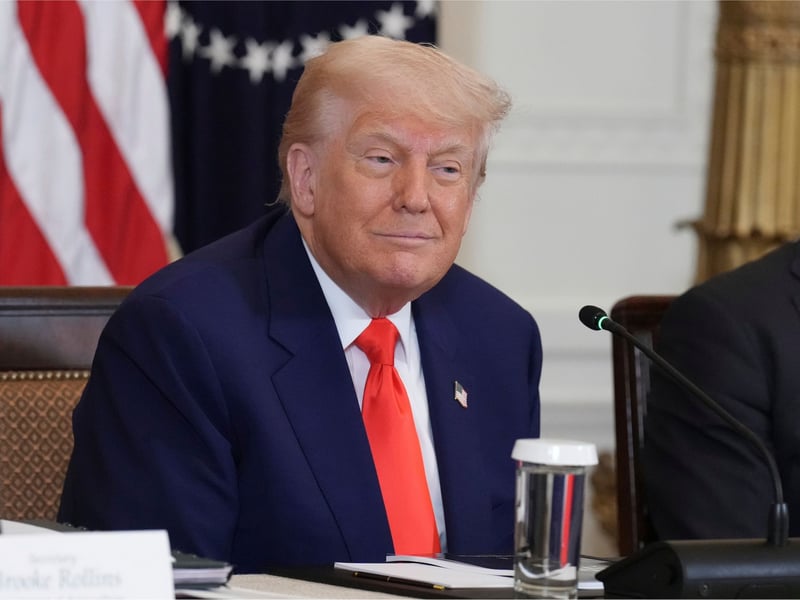
WASHINGTON (CN) — President Donald Trump revived a push for mass firings across the government on Monday, filing a record-breaking 18th emergency appeal at the Supreme Court in just the first four months of his second term.
Trump’s unparalleled stint on the Supreme Court’s shadow docket has forced the justices to rush decisions on key aspects of the administration’s policy proposals. So far, Trump has won the justices’ approval more times than not.
Last month, Trump asked the justices to rein in a San Francisco judge standing in the way of the White House’s efforts to dismantle large swaths of the federal government. At the time, U.S. District Judge Susan Illston, a Bill Clinton appointee, issued a temporary restraining order so she could consider a request for an injunction. Temporary restraining orders are rarely appealed to the Supreme Court, but the Trump legal team has repeatedly sought high court review of preliminary rulings.
After Illston issued a preliminary injunction a week later, the Ninth Circuit issued a temporary pause, and Trump withdrew his application to the Supreme Court.
The Ninth Circuit ultimately ruled against the administration, and Trump returned to the Supreme Courtfor relief.
“In this case, the district court entered a nationwide injunction that bars nearly the entire Executive Branch — 19 agencies, including 11 Cabinet departments — from implementing an Executive Order that directs agencies to prepare plans to execute lawful reductions in the size of the federal workforce,” U.S. Solicitor General John Sauer wrote.
To rapidly downsize the federal government, the Trump administration sent reduction-in-force (RIF) notices to agencies, prompting mass firings. Labor unions, advocacy groups and local governments sued Trump and almost every executive department, claiming that the administration had exceeded its authority and violated the separation of powers.
In his preliminary injunction, Illston sided with the plaintiffs who said Trump’s efforts to restructure without congressional authorization would violate the Constitution.
However, Sauer said the injunction was based on an “indefensible premise” that Trump needed congressional authority to oversee executive branch functions.
“The Constitution does not erect a presumption against presidential control of agency staffing, and the President does not need special permission from Congress to exercise core Article II powers,” Sauer wrote, citing the Supreme Court’s presidential immunity ruling.
Trump prevailed in the last high court duel over mass terminations across the federal government. He pushed the justices to issue a similar ruling here.
The Supreme Court has sided with Trump on other emergency appeals, including slashing federal grants for schools, firing independent regulatory officials, banning transgender troops from the military, throwing out protective status for Venezuelan migrants, and ending humanitarian status for half a million migrants.
 Follow @KelseyReichmann
 Follow @kelseyreichmann.bsky.social
Subscribe to our free newsletters
Our weekly newsletter Closing Arguments offers the latest about ongoing trials, major litigation and rulings in courthouses around the U.S. and the world, while the monthly Under the Lights dishes the legal dirt from Hollywood, sports, Big Tech and the arts.