
 Search Articles


(CN) — Three Pacific Northwest tribes petitioned the U.S. Environmental Protection Agency on Tuesday to prohibit the general manufacture and use of a common tire chemical that is toxic to aquatic species.
Filed by Earthjustice attorney Elizabeth Forsyth on behalf of the Port Gamble S’Klallam Tribe, Puyallup Tribe of Indians and Yurok Tribe, the petition asks the EPA to establish regulations that prohibit the manufacturing, processing, use and distribution of 6PPD, a tire chemical that prevents degradation and improves long-term use.
But while the common chemical has benefited automobile users since the 1950s, the tribes contend its environmental impacts violate treaty rights that guarantee their access to salmon.
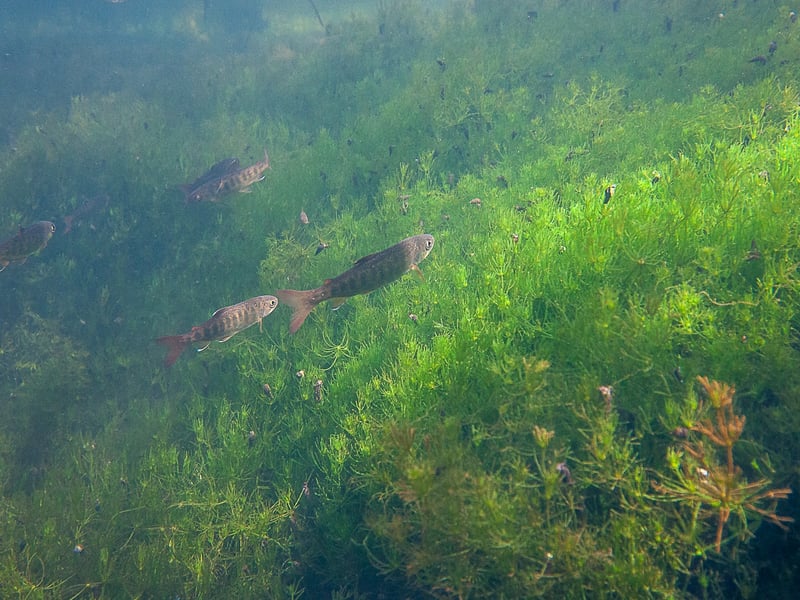
When exposed to air, 6PPD breaks down into 6PPD-quinone or 6PPD-q, creating a contaminant of water systems that is lethal to aquatic species like coho salmon — a federally protected species under the Endangered Species Act whose protection status varies by region in the Pacific Northwest.
“To see 6PPD-q kill the salmon that are reared in the Port Gamble S’Klallam Tribe’s own streams and from its own hatchery is an unconscionable slap in the face to a people who rely on salmon for their wellbeing, in addition to being a gross violation of the Tribe’s rights as enshrined in the 1855 Treaty of Point No Point,” said Josh Carter, an environmental scientist for the Port Gamble S’Klallam Tribe, in a statement. “If EPA truly cares about protecting the environment and the tribe’s treaty rights, not just industry’s pocketbooks, it will act now.”
In another statement, the Puyallup Tribal Council explained that the tribe has fished and protected homeland waters since time immemorial, leaving them to witness the decline of endangered Chinook salmon to which they have relied on for nourishment.
“We have watched as the species have declined to the point of almost certain extinction if nothing is done to protect them,” the council stated, adding that the discovery that 6PPD is killing salmon “could be exactly what saves salmon for us and all of the country.”
Similar to the Port Gamble S’Klallam Tribe, the Puyallup Tribe’s fishing rights within the Puyallup River watershed in Washington state are enshrined under the Medicine Creek Treaty and confirmed by the Puyallup Tribe of Indians Settlement Act of 1989. Forsyth wrote that Yurok Tribe is similarly invested in the health of the Klamath Basin ecosystem, a region where salmon have faced several obstacles to reaching historic levels from dams, drought, mudslides and contamination.
6PPD-q may also harm Yurok tribal members due to its presence in plants, Forsyth noted, adding that since the chemical has been detected in road dust, it poses a risk to those who ingest roadside plants including various species of ferns, mushrooms, berries, grass, wild potato and more.
“It is time for the EPA to phase out this highly toxic chemical that is killing salmon,” Forsyth said in a statement, adding that tire companies “have known for years that they need to move beyond 6PPD to find viable alternatives” and that EPA action is necessary to spur that change.
EPA administrator Michael Regan did not immediately respond to a request for an interview or comment.
 Follow @alannamayhampdx
Subscribe to our free newsletters
Our weekly newsletter Closing Arguments offers the latest about ongoing trials, major litigation and rulings in courthouses around the U.S. and the world, while the monthly Under the Lights dishes the legal dirt from Hollywood, sports, Big Tech and the arts.