
 Search Articles


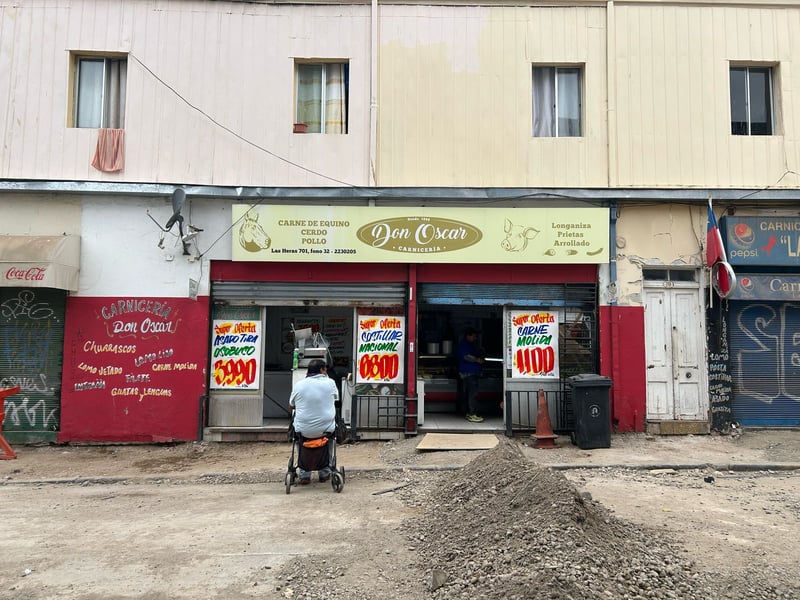
SANTIAGO, Chile (CN) — The concrete around the Baquedano station is fresh as construction workers come and go among machines and tools. It’s part of a yearlong renovation aimed at expanding and improving a vital area of Chile’s capital.
It is also a relic of a bygone era in Santiago: The epicenter of the 2019 social uprising is transforming — tidier, cleaner and quieter. But some who hoped to see deeper changes after their nation’s mass protests wonder why the government hasn’t done more.
Monday marks the beginning of leftist President Gabriel Boric’s final year in office. He won 2021’s post-uprising election with 55.87% of the vote, taking the most votes in the country’s history and becoming the youngest-ever president.
But for many who saw in Boric and his circle the embodiment of Chile’s “awakening,” those hopes now feel unfulfilled — foreshadowing the potential return of a right-wing president next year.
A mere 4-cent increase in subway fares triggered — at least on the surface — the October 2019 social uprising. The discontent, stemming from students’ and workers’ already strained finances, ignited acts of civil disobedience. What began with students refusing to pay fares escalated within days into mass protests, looting and clashes with the police.
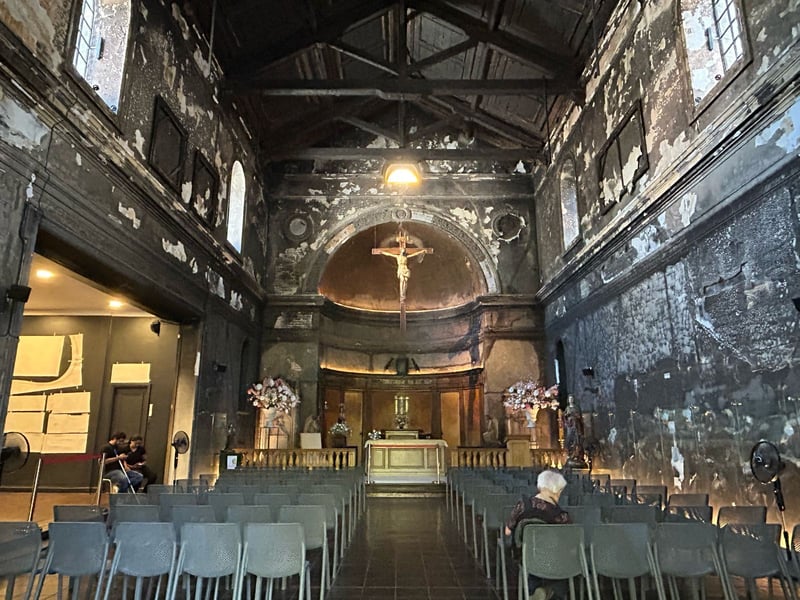
Three dozen people were killed, thousands were injured, and thousands more arrested during the estallido social, which lasted until the Covid-19 pandemic hit in March 2020.
A year later, Boric rallied, promising a stronger welfare state, pension and labor reforms, the promotion of national industry, a prioritization of environmental concerns over extractivism, and feminist and human rights-centered policies. His proposals aligned with many of the uprising’s slogans and reflected a broader demand for change after decades of neoliberalism.
“The uprising was a crisis within the system,” said Mauricio Weibel, a Chilean writer and reporter, in an interview at a trendy café in Ñuñoa, a central neighborhood often satirized in memes for its pretentious bohemian vibe. “People here protested; the elites showed disdain.” It was, Weibel said, a cultural reckoning with neoliberalism.
Like many Latin American nations, Chile wrestled with restoring political participation and representation after its brutal 17-year dictatorship, which began with the coup d’état that overthrew socialist President Salvador Allende inside the government palace on Sept. 11, 1973.
Originally from Chile’s southernmost region, Boric transitioned from leader of the student movement in the early 2010s to a deputy in Congress in 2014 and then to the presidency. His rise was shaped by Chile’s ongoing struggle after democracy returned in the early 1990s.
The dreams of radical change dissipated amid the challenges of governance. Boric’s effort to reform the constitution — a relic of the dictatorship era — faced significant setbacks. After the 2021 election, a newly elected body drafted a new constitution, but it was rejected in a national plebiscite in September 2022. A second constitutional process, led by a more right-leaning body, was also dismissed in December 2023. Despite its ideological shift, the document’s rejection was still perceived as a blow to Boric’s broader reform agenda.
“Those were his first problems,” said Damián Trivelli, a political analyst. “And he never had a majority in Congress, which complicated things even more.”
Although his supporters point to some notable achievements of his administration — including a significant pension reform passed earlier this year — many who participated in the uprising feel the Boric government has fallen short.
“We’ve measured him by the expectations set in the wake of the uprising,” said Matías von dem Bussche, a philosophy graduate who works in a Santiago café. Although he acknowledges that transformation was always a long shot, he still feels disappointed that Boric failed to substantially improve access to public education and that his security policies have proven more conservative than progressive.

Boric’s administration has reduced work weeks from 45 to 40 hours and increased the minimum wage, from $360 to just above $500 a month. Pensions have also increased.
But for some in a country with a long history of political turmoil, these changes feel insufficient.
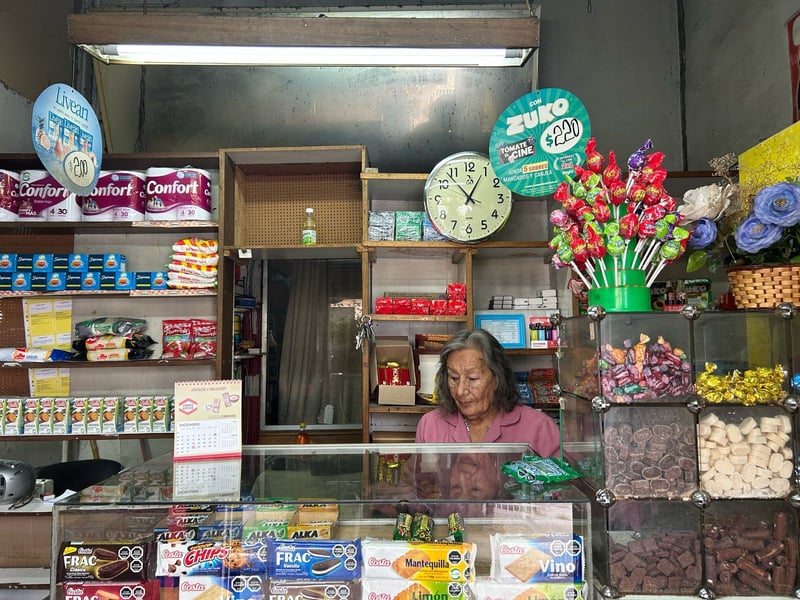
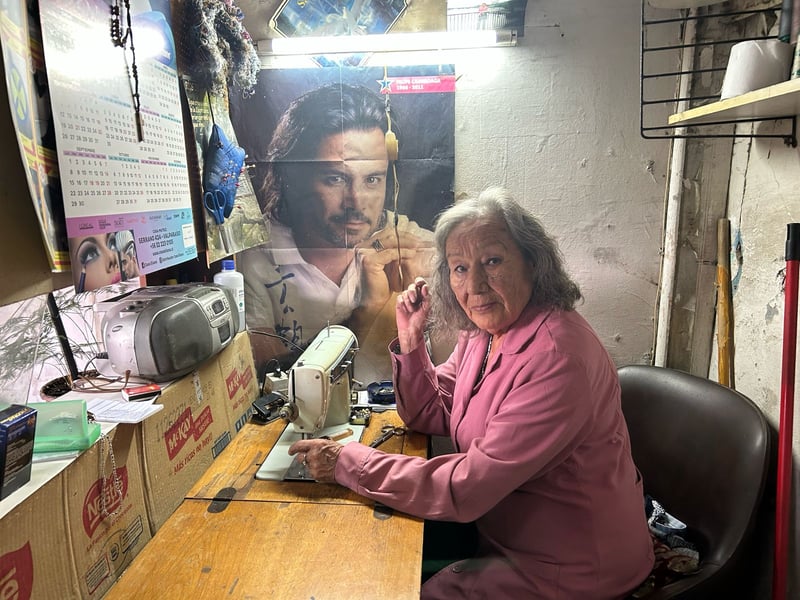
Margarita Saavedra, 88, manages a small kiosk in downtown Valparaíso, a coastal city near the capital with a metro population of just over 900,000. It’s a popular tourist destination. Behind the counter, in a space of about 10 square feet, she has a small chair with a sewing machine where she does additional work mending clothes to make ends meet.
Her pension, though higher in recent years, is about $215 per month. The combined cost of renting her home and small shop, along with covering necessities, amounts to $1,000 monthly.
“Nothing has changed here,” she said. “The vulnerable ones — we still work so the rich can get richer.”
An old radio blares a football match because Saavedra no longer listens to the news. She said she doesn’t trust politicians and will likely vote randomly in the upcoming elections. Since her husband died in 2021, she has been the sole provider. “I’m almost 90, and I’m the only one looking out for myself,” she said. “I wonder how politicians would manage with $215 a month.”
Although poverty rates have declined from 10% to 6.5% since 2020, Chile remains a deeply unequal country. “Social discontent didn’t go away,” said Trivelli. “It’s only been incubated.”
The country now faces the beginning of a difficult-to-predict electoral year. Primaries take place in late June, with presidential and parliamentary elections on Nov. 16. Probable runoffs are set to follow on Dec. 14. Several right-wing candidates have already entered the race, with Evelyn Matthei of the right-wing coalition Chile Vamos currently leading the polls.
José Antonio Kast, a far-right candidate who lost to Boric in the 2021 runoff, and Johannes Kaiser, another far-right politician, have also announced their bids.
The center-left candidates aren’t yet official, though Boric’s former interior minister, Carolina Tohá, resigned from her public charge to run. Other names, including former President Michelle Bachelet, have been floated as potential candidates to counter what is expected to be a strong election cycle for the opposition.
Like the 2024 election in the United States, immigration dominates the public conversation in Chile. There has been a surge in arrivals over the last decade, with migrants now accounting for almost 10% of the total population.
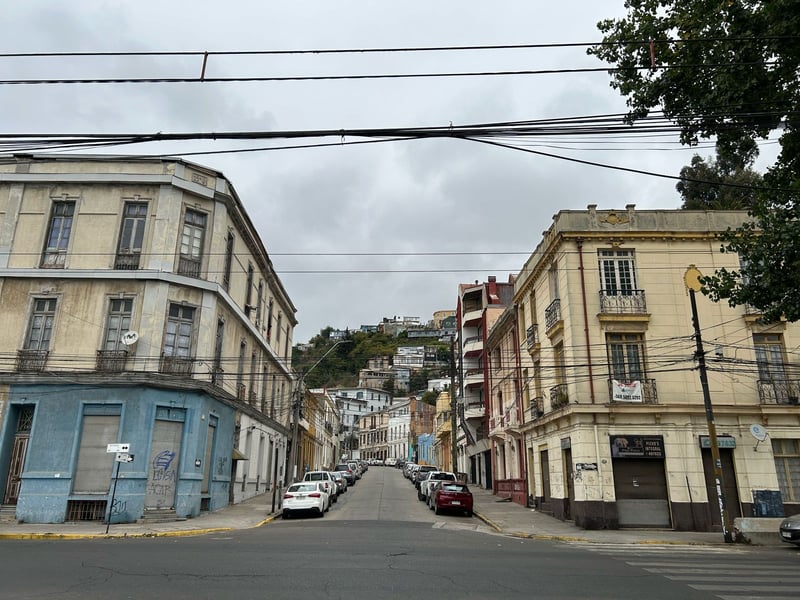
The majority of people come from Venezuela, Peru, Haiti and Colombia seeking better jobs, financial stability and new opportunities. But the increase in the presence of foreigners in public spaces, especially over the last few years, has raised xenophobia and anti-immigrant speech.
Rodrigo Sandoval, who helmed migrant policies during the second Bachelet presidency, said Boric’s administration hasn’t provided a comprehensive policy. “They’re not seeking to regularize the people already living here,” he said. “They’re essentially paralyzed in the face of the speech of the opposition, which demands more border controls and deportations.”
He says that instead of creating policies that adapt to the new Chilean reality, the government has focused on increasing prejudice, leading to stereotypes around migrant crime, for example — despite public statistics showing crime committed by Chileans is still far higher.
Despite the data, several voters who spoke to Courthouse News in Santiago and Valparaíso said they worried that their cities were becoming less safe because of migrants.
Increasing xenophobia became a part of the national conversation after an episode where a crowd dramatically booed Venezuelan comedian George Harris during a show during the Viña del Mar Festival. Although booing is common at the festival, many artists condemned the incident. The festival director, Alex Fernández, said they “never thought” that a “sloppy group of Chileans” would provoke a Venezuelan artist.
Sandoval said talk about migrants and migrant crime has increased with a spotlight on the arrival of Venezuelan gang Tren de Aragua — mainly during U.S. President Donald Trump’s last presidential campaign. While the Aragua stories “gain attention due to their brutality,” the criminal organization born in Venezuelan prisons “is not the most powerful, not the most sophisticated in Chile,” he said.
Trivelli pointed out that right-wing Matthei has capitalized on the discomfort around migration and security. “She shows that she’s proposing a ‘change’ in policies, and has accredited experience in public charges — she was the mayor in a Santiago district,” he said. Recently, she vowed to build maximum security prisons in the desert of Chile.
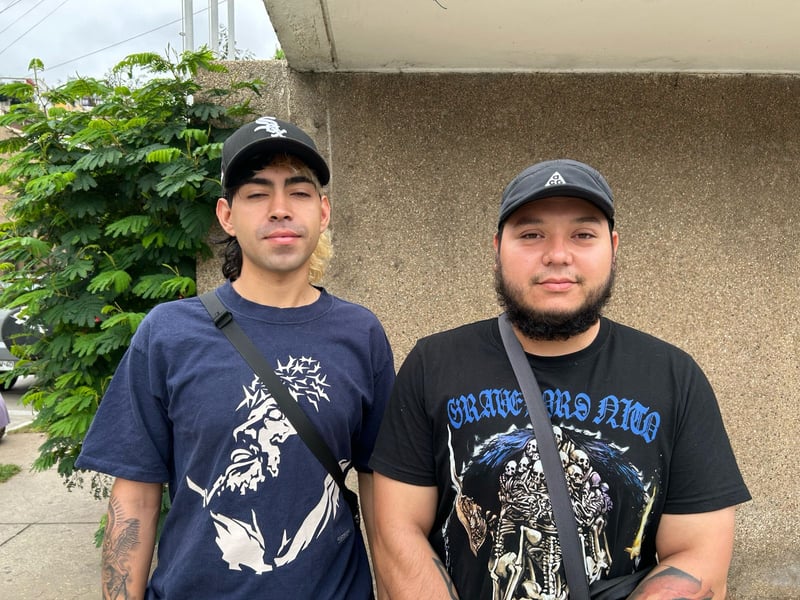
Aaron Cristian, a 28-year-old electrician from Valparaíso, said he took part in the 2019 uprisings because his country needed a change. Some of his relatives were political prisoners during the dictatorship era, and he thought many, like him, were angry about what politics had been. Though he said the Boric administration fell short in some aspects, he doesn’t despair.
“Political processes are very long, and people shouldn’t expect all the solutions to come from a single presidential mandate,” he said. He believes a right-wing candidate will likely win the next elections, but he thinks other left-wing candidates will emerge.
“Many of the demands during the estallido days are still pending,” he said. “People feel that — we all do.”
 Follow @luciacholakian
Subscribe to our free newsletters
Our weekly newsletter Closing Arguments offers the latest about ongoing trials, major litigation and rulings in courthouses around the U.S. and the world, while the monthly Under the Lights dishes the legal dirt from Hollywood, sports, Big Tech and the arts.