
 Search Articles



OAKLAND, Calif. (CN) — With music blasting and passing car horns honking, approximately 200 Kaiser Permanente employees picketed outside Kaiser Oakland Medical Center Tuesday, as part of a larger West Coast strike for better wages and working conditions.
The strike — which enters its eighth day Tuesday — includes over 31,000 Kaiser medical employees, from across many positions represented by the United Nurses Associations of California/Union of Health Care Professionals union, one of the largest health care professional unions in California and Hawaii.
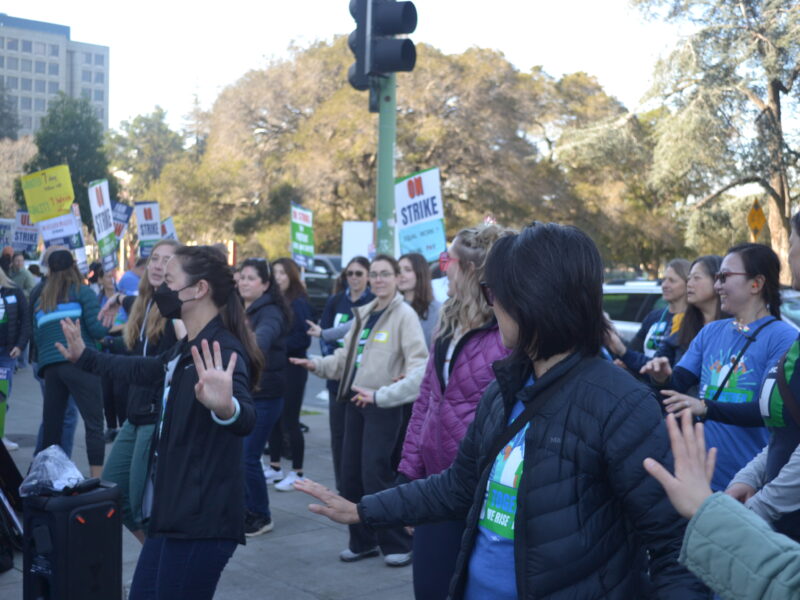
The walkout comes after a monthslong labor dispute and unsuccessful bargaining over wages and staffing, with the strike continuing until an agreement with Kaiser is reached.
Thousands of nurses, midwives, physician’s assistants, acupuncturists and other health care professionals decided to strike in an effort to get Kaiser back to the bargaining table, UNAC/UHCP union leaders said, after negotiations fell apart on Dec. 14.
“They want to greatly impact our scheduling, which is just rather vindicative, because it’s not going to change anything with the hospital, but will change the lives of people out here,” Jeff Cathcart, a certified registered nurse anesthetist who has worked for Kaiser for 21 years, said.
Cathcart said Kaiser offered the same proposal it had following an October strike when it met with union members the weekend before the current strike began. He said the 21.5% pay increase over four years that has widely been reported as one of the largest wage bumps in Kaiser history wasn’t initially offered to UNAC/UHCP members in Northern California, because the union is only two years old.

“That 21.5% is on the table, but it’s completely offset by massive cuts to our pension, massive cuts to our health care,” he said.
Since the October strike, union members have demanded a 25% pay increase with a four-year contract.
UNAC/UHCP is part of the Alliance of Health Care Unions, which bargains at a national level, and has around 62,000 members.
Picket lines at large and small Kaiser locations across California and Hawaii are scheduled every day during the workweek, including in Los Angeles, Bakersfield, San Bernadino and San Diego.
“These negotiations come at a time when health care costs are rising, and millions of Americans are at risk of losing access to health coverage,” Kaiser officials said in a Jan. 25 statement. “This underscores our responsibility to deliver fair, competitive pay for employees while protecting access and affordability for our members.”
At the Oakland picket line, Silas Patlove, a physician’s assistant in emergency medicine, said the PAs in the union have been stuck at the bargaining table since August or September.

“Kaiser has not returned meaningful proposals,” he said. “Kaiser is trying to stop bargaining at the national agreement level as well and return everything to local tables, in an attempt to divide the Alliance.”
Union representatives said higher wages weren’t the only reason for striking, claiming understaffing impacts patient safety and quality of care.
“As staffing levels drop and positions go unfilled, remaining nurses and clinicians are forced to take on dangerously high workloads, stretching care teams beyond safe limits and increasing the risk of errors and delayed treatment,” union leaders said in a Feb. 3 statement. “Hospital leadership has ignored repeated warnings for years, creating burnout and driving experienced professionals out of the workforce.”
Kaiser was founded in 1945 in Oakland as a national nonprofit healthcare provider. In the third quarter of 2025, Kaiser’s investment returns increased its net income to $2.6 billion.
Cathcart believes the Kaiser Permanente Medical Group’s newer leadership have a different stance toward unions than previous generations.
“I think they’re trying to bust the union,” he said. “This comes across as just very vindictive union busting tactics.”
Kaiser representatives did not immediately respond to a request for comment.

Subscribe to our free newsletters
Our weekly newsletter Closing Arguments offers the latest about ongoing trials, major litigation and rulings in courthouses around the U.S. and the world, while the monthly Under the Lights dishes the legal dirt from Hollywood, sports, Big Tech and the arts.