
 Search Articles


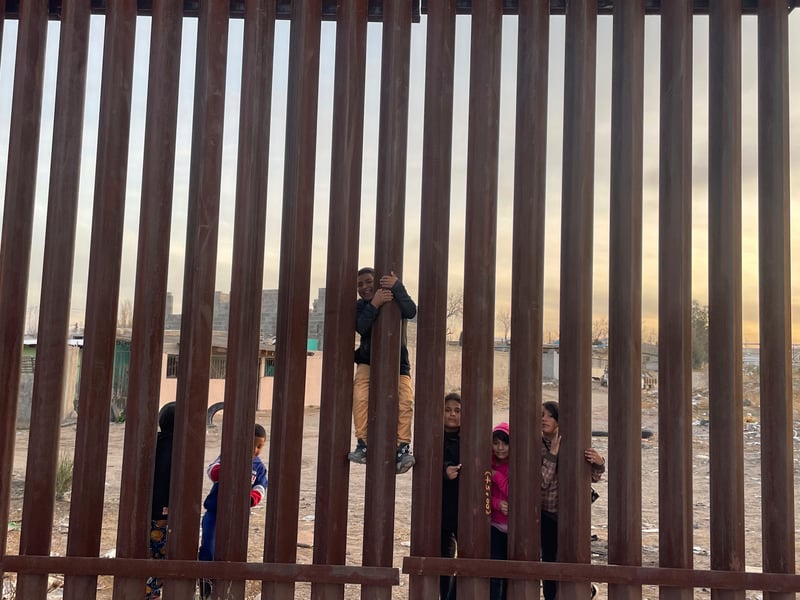
DEL RIO, Texas (CN) — In a lawsuit filed Tuesday, the state of Texas accused the Department of Homeland Security and U.S. Customs and Border Protection of undermining its efforts to “stem the flow of illegal immigration” by removing barriers meant to deter unlawful crossing over the Texas-Mexico border.
In September and October, order officers destroyed sections of concertina razor wire that state officials deployed as part of Republican Governor Greg Abbott’s controversial border security initiative, Operation Lone Star, according to the 30-page federal suit, filed in the border town of Del Rio.
“This is illegal," Texas Attorney General Ken Paxton said in a statement announcing the lawsuit. “It puts our country and our citizens at risk. The courts must put a stop to it, or Biden’s free-for-all will make this crushing immigration crisis even worse.”
Over the course of the year officials with the Texas Military Department have reported Border Patrol agents cutting the wire and helping migrants get up off the banks of the Rio Grande.
In one instance on the morning of Sept. 20 the state claims the federal agents made a hole in the wire near Eagle Pass and helped “admit” over 1,200 migrants. Later that same day, Abbott blamed President Joe Biden’s administration for “opening the floodgates” and deployed more Texas National Guardsmen. In addition, the governor ordered more razor wire to be installed.
In a statement to Courthouse News, a Department of Homeland Security spokesperson declined to comment on the lawsuit but said that border patrol agents “have a responsibility under federal law to take those who have crossed onto U.S. soil without authorization into custody for processing, as well as to act when there are conditions that put our workforce or migrants at risk.”
Texas is asking the court to permanently enjoin federal officials from destroying the razor wire barriers and to declare that their actions were unlawful.
Federal agents, the state says, don’t have jurisdiction nor statutory authority to damage the state’s property. Furthermore, Texas claims the federal government has violated its “duty to control and guard the boundaries and borders of the United States.” Belaboring its argument, the state outlines several statutes that, if committed by a private individual, would be a criminal act.
The state’s actions on the southern border have become increasingly more aggressive since March 2021, when Governor Abbott launched Operation Lone Star. Nearly 500,000 migrants have been apprehended by officials with the Texas Department of Public Safety and the Texas Military Department.
Under the program, the state has also sought to use barriers like the concertina wire, and has erected containers and permanent fencing, to limit crossings.
Operation Lone Star has also been used to transport more than 50,000 migrants awaiting their day in immigration court to Democrat-led cities including New York, Washington and Chicago.
The immigration deterrence effort is estimated to have cost Texas taxpayers over $4 billion, but lawmakers are still looking to do more. Abbott has called state lawmakers back to the state capital in Austin to divert more funding to border barrier infrastructure.
Additionally, the governor has requested lawmakers pass legislation to make it a criminal offense to enter the state illegally and to increase criminal penalties for human smuggling and operating a stash house.
Various proposals have been filed, but the Texas House and Senate have yet to agree on a measure that would be sent to Abbott.
U.S. Customs and Border Protection reports that in September there were 269,735 migrant encounters on the southern border, the highest of any other month in the past three years. In total, the agency has had nearly 2,500,000 encounters so far this year.
 Follow @KirkMcDanie1
Subscribe to our free newsletters
Our weekly newsletter Closing Arguments offers the latest about ongoing trials, major litigation and rulings in courthouses around the U.S. and the world, while the monthly Under the Lights dishes the legal dirt from Hollywood, sports, Big Tech and the arts.