
 Search Articles


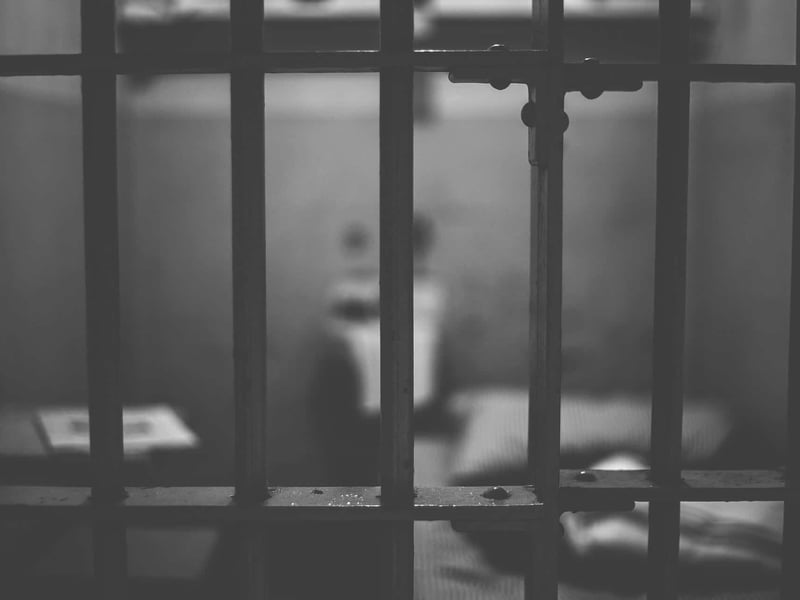
SAN JOSE, Calif. (CN) — Faced with mounting public opposition, Santa Clara County officials declined to take a position on whether they county Board of Supervisors should ban the use of tear gas during cell extractions in jails. But they want the board and others to explore other ways to work with people experiencing mental health crises.
The Community Correction and Law Enforcement Monitoring Committee voted 5-1 on Thursday to recommend that supervisors assess alternatives to tear gas. The committee also wants the board to require the Santa Clara County Sheriff’s Office to analyze tear gas impacts on people in jails.
The vote followed a review of an independent audit of local jails, finding that deputies used tear gas in 17 incidents since 2006 — mostly on people being extracted from their cells to take court-ordered medication. The committee makes recommendations to the Board of Supervisors, and is headed by the independent firm OIR Group which performed the audit.
The auditors concluded that use of tear gas in jails is appropriate for getting incarcerated people to comply with orders. Their report commended the sheriff’s deputies for negotiating with incarcerated people before deploying the gas, and found that “other than the pain and discomfort caused by the chemicals, there were no reported injuries to individuals resulting from any of these force incidents."
The auditors said waiting for voluntary compliance could have “significant downsides” and leave incarcerated people “in filthy, unsafe, inhumane surroundings.” They recommended establishing more guidelines to restrict the use of tear gas, such as limiting use on people with respiratory problems and requiring higher-level authorization for deployment. The report says that nearly half of tear gas deployment incidents involved using physical force to restrain a person even after being gassed, and in more than half of all cases deputies deployed a second round of gas.
About 10 people spoke Thursday criticizing the use of tear gas, noting that Santa Clara County is the only county in the San Francisco Bay Area to use it. Reform advocates like ACLU Northern California and San Jose Peace and Justice Center said tear gas is already banned for use in war and can cause respiratory problems, blindness or death.
Retired pastor Carol Bean said there are other ways to practice safe medical intervention.
“Everything you describe dehumanizes the person, exacerbates the problem, criminalizes them and then uses unnecessary force after a long period of time of isolation — which is the opposite of what people dealing with mental health issues need,” Bean said.
Jose Valle and Raymond Goins of the community organization Silicon Valley Debug said the county should focus on moving patients to medical facilities for treatment, rather than keeping them incarcerated while under orders to take medication.
“In the very penal code itself which authorizes involuntary medication, it says ‘It is the intent of the Legislature to recognize the lack of community-based beds and the inability of many facilities to accept transfers from correctional facilities,’” Valle said. “The county can invest in non-carceral treatment instead of the use of chemical weapons.”
The committee’s vice chair Walter Wilson — ultimately the sole “no” vote on the final motion — was the first to take a position on the policy.
“Why is this department, or any department, using this on people?” Wilson asked. “If we’re not using chemicals in war, why are we using them on American citizens?” He suggested studying intervention methods which behavioral health facilities use, instead of tear gas.
Sheriff Robert Jonsen said that tear gas use prevents physical injuries during cell extractions, and disagreed with using the term “chemical warfare.”
“We are not using chemicals that have been banned by the military,” he said. “We are using things that anyone can purchase on Amazon.”
Wilson retorted that the chemicals can cause physical and long-term mental injury. “The jails are not set up for people dealing with mental health problems. Those folks with behavioral health problems should not even be in the carceral system, period," he said.
Motions both to oppose the use of tear gas for extraction, and to approve its use for another year, failed to garner enough votes to pass.
OIR Group said that chemical agents have been used in correctional facilities throughout the state for many years, but Assembly Bill 481 now requires more transparency around military weapons and approval for use from local governing agencies. County Supervisor Susan Ellenberg requested the audit, and on Aug. 29 delayed discussing OIR Group’s report in order to give county leaders time to review its findings.
The board has so far halted purchases of military weapons, and Ellenberg delayed a meeting about the audit’s findings — and the Sheriff’s Office’s request to renew the ordinance allowing use of military-grade equipment — until Sept. 19.
 Follow @nhanson_reports
Subscribe to our free newsletters
Our weekly newsletter Closing Arguments offers the latest about ongoing trials, major litigation and rulings in courthouses around the U.S. and the world, while the monthly Under the Lights dishes the legal dirt from Hollywood, sports, Big Tech and the arts.