
 Search Articles


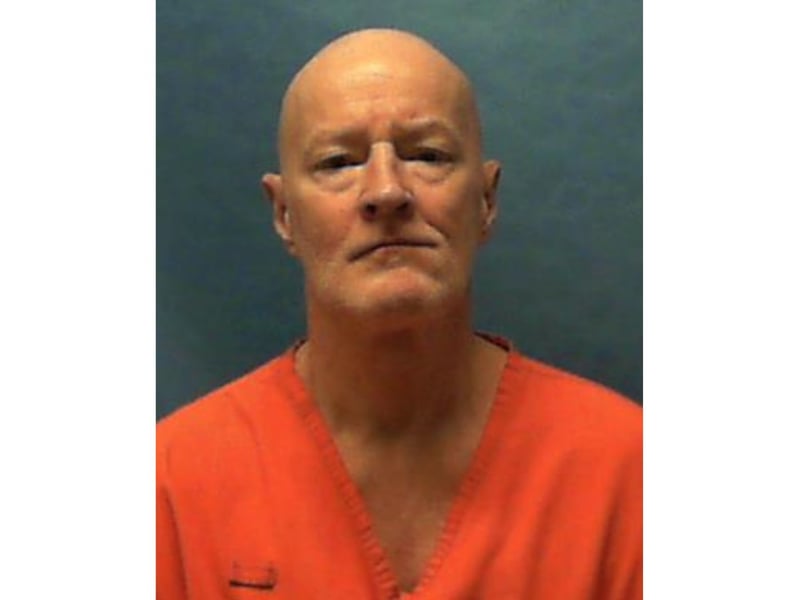
WASHINGTON (CN) — The Supreme Court on Thursday rejected an emergency appeal to block the execution of a Florida man convicted of killing a college student and raping his sister during the siblings’ camping trip in the Ocala National Forest.
Loran Cole, who suffers from Parkinson’s disease, argued that death by lethal injection would be unconstitutional because of his condition. Cole told the court that alternative execution methods like lethal gas or firing squad would reduce his risk of severe pain.
The court refused to block Cole’s Thursday evening execution to hold an evidentiary hearing on his claims. The justices did not explain their order. There were no noted dissents.
Cole was sentenced to death nearly three decades ago for the murder of John Edwards. In 1994, Cole came across Edwards and his sister — identified as P.E. in court documents — while they were camping in the national forest. Cole and another man beat Edwards and cut his throat. P.E. was handcuffed and raped.
A trial court sentenced Cole to death for the first-degree murder of Edwards, and he received life sentences for each remaining count against him.
On appeal, Cole advanced an ineffective counsel claim, arguing that his attorney failed to present evidence of his extensive drug and alcohol abuse and childhood abuse. Cole claimed his attorney should have uncovered his abuse at Arthur G. Dozier School for Boys — a notorious state-run institution that closed in the wake of accounts of abuse and beatings.
Cole lost his fight for post-conviction relief. Florida Governor Ron DeSantis signed his death warrant last month.
Cole filed an emergency appeal at the Supreme Court days before his scheduled execution. He claimed that the Florida Supreme Court recognized the need for evidentiary hearings in challenges similar to his in four prior rulings.
“Cole should be given the same opportunity to an evidentiary hearing as those prior defendants who also raised an as-applied challenge under an active death warrant,” the emergency appeal says. “Florida is violating Cole’s due process and equal protection rights pursuant to the Fourteenth Amendment to the United States Constitution.”
As a backup, Cole also argued that he’s a witness to post-conviction proceeds in an Iowa murder case. Cole participated in a deposition as recently as June of this year.
Florida said the victim’s interest in the execution moving forward outweighed Cole’s request for an evidentiary hearing. The state said Cole was diagnosed with Parkinson’s seven years ago, questioning why his appeal didn’t come until right before his execution.
“While the execution means his pending litigation will be rendered moot, that consideration must be balanced by the fact that Cole has had years to raise these claims and did not do so until the eve of the execution,” the state wrote.
The state warned the justices about endorsing last-minute claims as tools to delay executions.
Cole’s execution is scheduled for 6 p.m.
 Follow @KelseyReichmann
 Follow @kelseyreichmann.bsky.social
Subscribe to our free newsletters
Our weekly newsletter Closing Arguments offers the latest about ongoing trials, major litigation and rulings in courthouses around the U.S. and the world, while the monthly Under the Lights dishes the legal dirt from Hollywood, sports, Big Tech and the arts.