Search Articles


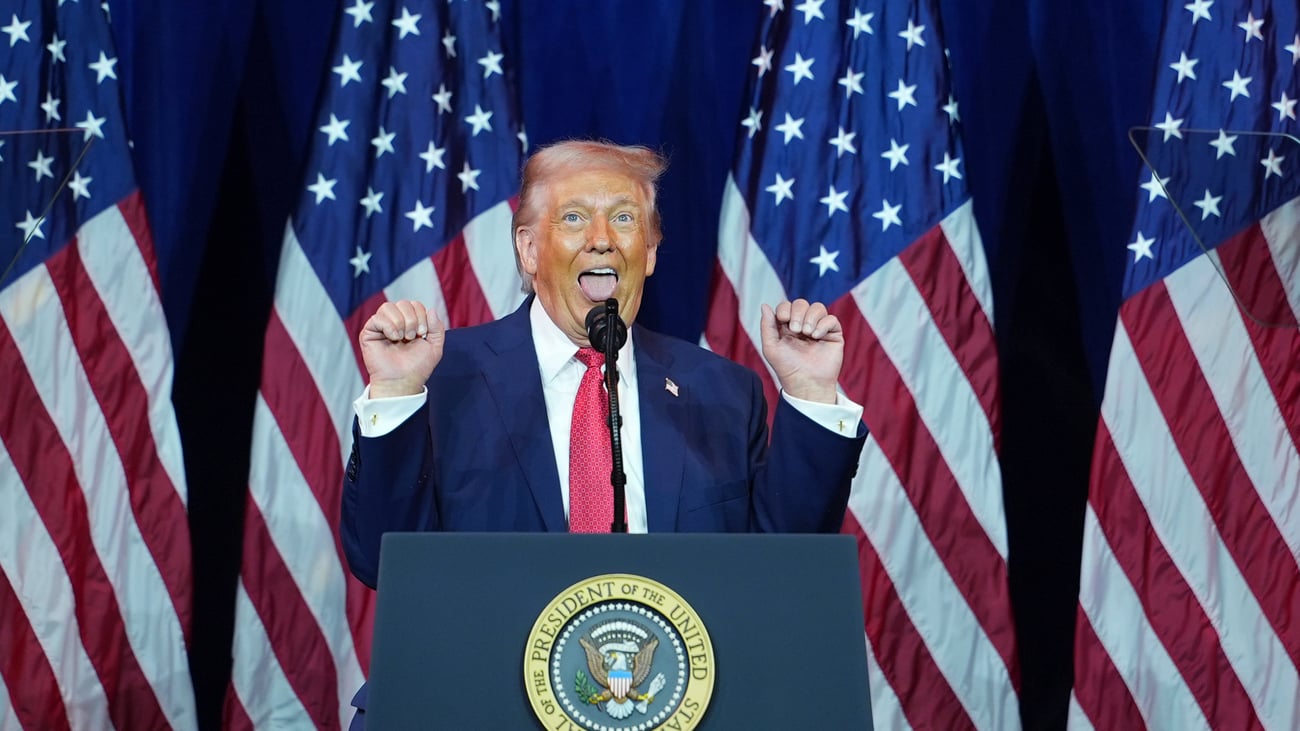
WASHINGTON (CN) — In a loss for President Donald Trump, the Supreme Court on Monday ruled that Federal Reserve Board Governor Lisa Cook should not be removed from her post.
In a 5-4 ruling, the high court determined the president’s legal theory that he could summarily terminate Cook based on flimsy assertions of mortgage fraud would effectively transform the Federal Reserve into “at-will employment,” meaning any member could be fired for any reason, or no reason.
Chief Justice John Roberts wrote the majority opinion, joined by Justices Sonia Sotomayor, Elena Kagan, Brett Kavanaugh and Ketanji Brown Jackson, and highlighted that the removal protections are central to the Federal Reserve’s independence, which would be otherwise undermined by looming political pressure.
“Without such constraints in place, any perceived or alleged misstep (past or present) could provide a ready pretext for a governor’s removal — a fact that he would surely know, and that would surely weigh on him as he decided what to say and how to vote,” the George W. Bush appointee wrote. “Nothing could be more corrosive of the independence that Congress sought to preserve.”
The majority decided the case on narrow procedural grounds, finding the president failed to provide Cook with notice of her purported termination and an opportunity to contest it, rather than address her constitutional due process claims. While the decision closes a long-running legal battle, it does not fully block the president from terminating Cook or other members.
Roberts said a Federal Reserve governor isn’t entitled to an audience with the president or a full judicial trial to contest their termination, but any amount of notice and an opportunity to respond would have sufficed.
Trump asked the justices for emergency intervention in September 2025 after a lower court stymied his bid to exert greater control over the nation’s central bank. After a four-month delay, the high court heard oral arguments in January that probed the president’s authority and the independence of the Federal Reserve.
Central bank independence and insulation from presidential control can be traced back to the creation of the Bank of England in 1694. These principles are shared throughout the global financial system, with only 12 nations allowing the removal of central bank board members at the executive’s discretion.
The Federal Reserve has been viewed as different from other entities because of its unique role. Congress protected the Federal Reserve from at-will presidential removal in the Federal Reserve Act of 1913 and in the 1935 Banking Act.
Justice Clarence Thomas dissented, slamming the decision to affirm Cook’s position and highlighting her argument that her office was her property, and the president could not summarily remove her without due process.
“Cook’s office was not her ‘property’ because, in this country, government officials do not own the public offices in which they serve,” the George H.W. Bush appointee wrote. “Apparent montage fraud was a ‘cause’ to remove Cook. And, the statute authorizing the president to remove Cook for ‘cause’ says nothing about notice or a hearing, so it does not require notice and a hearing.”
He argued that ruling otherwise violates Article II of the Constitution and its provision that the president can remove executive officers at will.
Thomas further adopted the government’s position that the federal judiciary cannot second-guess such removal decisions, and even if they did, they could only review claims that a removal was well outside the president’s powers.
Unlike his attempts to fire members from other regulatory boards, Trump advanced claims of mortgage fraud to justify Cook’s termination. Lenders typically offer lower interest rates for principal-residence mortgages. The administration said Cook claimed properties in both Michigan and Georgia as her principal residence in mortgage agreements.
Trump announced Cook’s firing in a Truth Social post. Cook followed up with a lawsuit, claiming she had been deprived of due process and that the president didn’t have cause to fire her. A lower court ruled Cook could remain on the board during the litigation.
The Justice Department asserted that the Truth Social post was enough notice and she had an opportunity to respond with her own post, but the justices rejected that argument.
“That will not do,” Roberts wrote. “At minimum, Cook was entitled to some explanation of the evidence at issue, some avenue for a response, and a deadline by which a response would be due. Because Cook did not receive such process, her removal was ‘erroneous and void’ from the start.”
The Supreme Court scheduled a rare oral argument session for the emergency application at Trump’s request to decide the interim fate of Cook’s board seat.
The Federal Reserve wields vast authority over the U.S. and international economy. Aside from setting interest rates and managing price inflation, the Fed regulates financial conglomerates, maintains the financial system and provides services such as acting as a lender.
Trump is only one seat shy of a majority on the seven-member board. He appointed Michelle Bowman and Christopher Waller during his first term. This past September, Trump added a third member, Stephen Miran, but he stepped down in May.
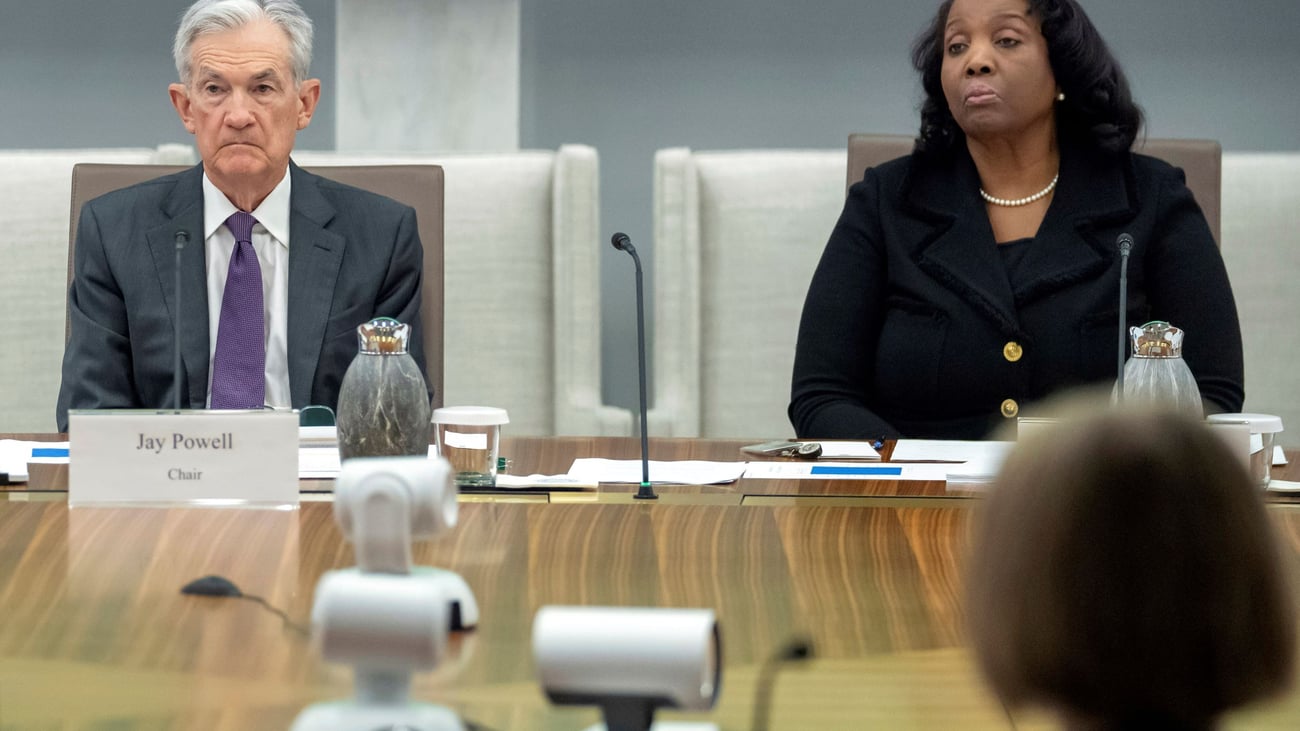
Trump nominated Kevin Warsh to replace Jerome Powell as Federal Reserve Chairman following the end of his term. Republicans in Congress initially blocked Warsh’s nomination due to the Justice Department’s investigation into Powell, and only advanced after the probe was closed.
Philip Jefferson, Michael Barr and Cook, the first Black woman to serve on the board, were all nominated by former President Joe Biden. Powell was nominated by former President Barack Obama, but Trump nominated him for chair in 2017. Biden extended Powell’s leadership, nominating him for a second term in 2022.
Justice Samuel Alito, joined by Justice Neil Gorsuch, also issued a dissent to note his disagreement with the high court’s decision to take up the case at such an early stage, and said he would have frozen the lower court’s injunction.
Trump vowed to continue his effort to remove Cook in a Truth Social post.
“The Cook lawsuit, having to do with her suitability in sitting on the Board of the Federal Reserve, was sent back by the Supreme Court on a strictly procedural basis, we will take appropriate action immediately to make sure that someone who has committee wrongdoing will not be making vital decisions concerning the welfare of the United States of America!” Trump wrote.
 Follow @KelseyReichmann
 Follow @kelseyreichmann.bsky.social
Subscribe to our free newsletters
Our weekly newsletter Closing Arguments offers the latest about ongoing trials, major litigation and rulings in courthouses around the U.S. and the world, while the monthly Under the Lights dishes the legal dirt from Hollywood, sports, Big Tech and the arts.