Search Articles


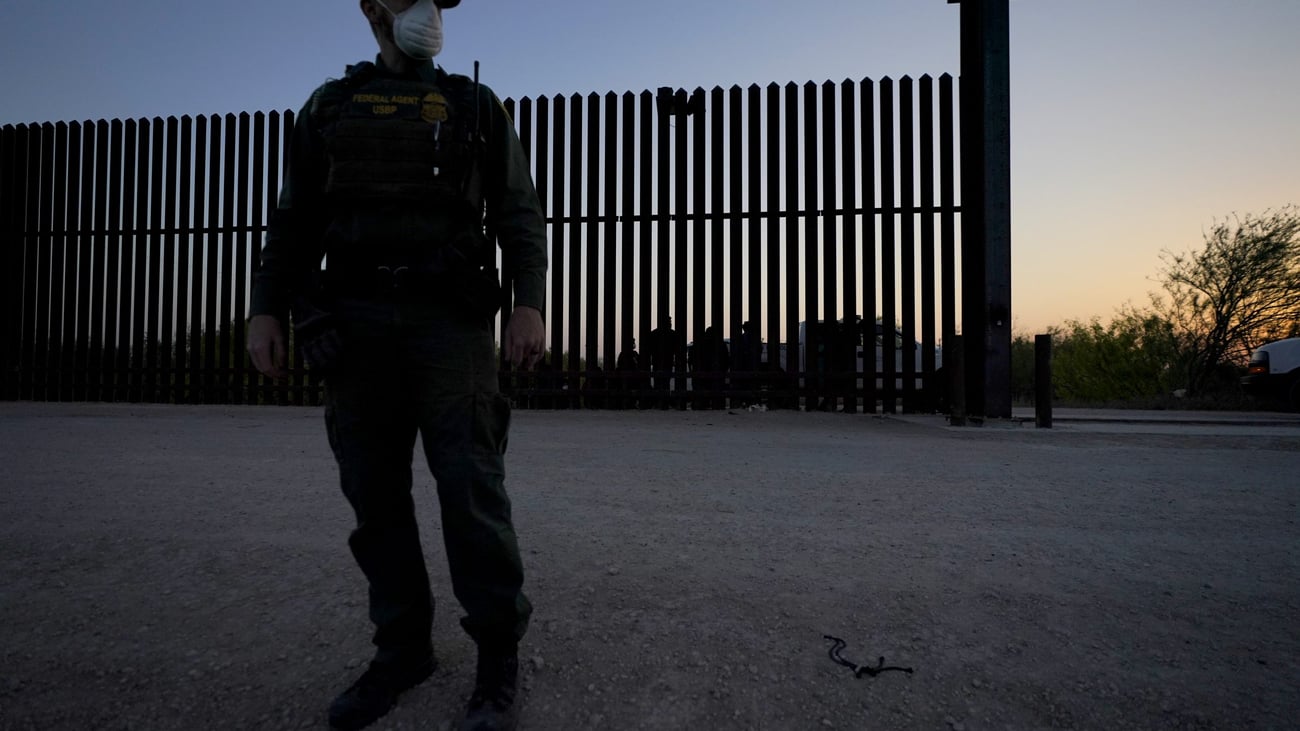
WASHINGTON (CN) — The Supreme Court paved the way on Thursday for President Donald Trump to restart immigration agents’ controversial practice of physically blocking migrants from seeking asylum at the border.
Under the Immigration and Nationality Act, anyone who is physically present in the United States — whether or not at a designated port of entry — can seek asylum if they have a well-founded fear of persecution in their home country.
During his first term, Trump formalized “metering guidance,” ordering border agents to prevent migrants from seeking asylum by physically blocking them from setting foot over the border. The president hasn’t formally reinstated the turnback policy — which was rescinded during the Biden administration — but he pushed the justices to reverse an appeals court ruling finding it unlawful.
The government argued migrants can’t “arrive in” the U.S. while on the Mexico side of the border.
Border turnbacks originated in 2016 during an influx of Haitian asylum-seekers at Southern California’s San Ysidro port of entry. The Obama administration began ordering border agents to turn away newly arriving migrants. Two years later, the Department of Homeland Security formalized the policy, giving all southern border ports “metering guidance.”
The first Trump administration implemented an additional roadblock in 2019, making migrants who traveled through one or more countries on their way to the U.S. ineligible for asylum if they did not previously seek protection in at least one transit country.
A lower court certified a class for the asylum-seekers who had arrived prior to Trump’s transit rule and issued an injunction reopening claims that had been denied based on the 2019 policy. That class allowed the case to continue after the Biden administration rescinded the metering policy in 2021. The transit rule was later rescinded in 2023.
In 2022, the lower court issued a permanent injunction barring the government from applying the asylum prohibitions to that class and said its members were entitled to seek asylum under prior policy guidance.
To decide whether the remedy should be upheld, the Ninth Circuit reviewed the lawfulness of the metering policy. The panel sided with the asylum-seekers, rejecting the government’s arguments that migrants who were turned away from ports of entry were not unlawfully denied asylum under the metering policy because they were not physically present in the U.S.
When the Supreme Court reviewed Trump’s appeal in March, the justices were sympathetic to the government’s case. However, they spent a significant portion of the argument attempting to decipher the intricacies of when migrants could be considered “in” the U.S.
 Follow @KelseyReichmann
 Follow @kelseyreichmann.bsky.social
Subscribe to our free newsletters
Our weekly newsletter Closing Arguments offers the latest about ongoing trials, major litigation and rulings in courthouses around the U.S. and the world, while the monthly Under the Lights dishes the legal dirt from Hollywood, sports, Big Tech and the arts.