
 Search Articles


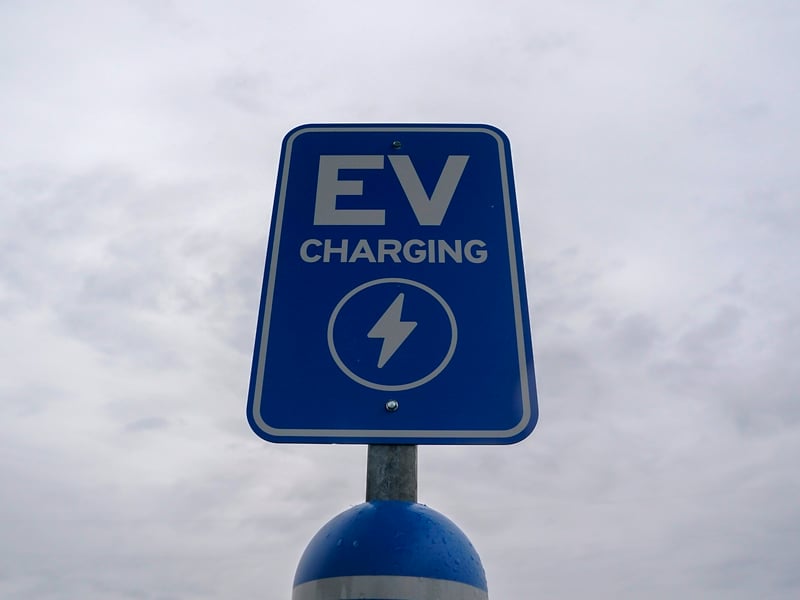
WASHINGTON (CN) — The Supreme Court appeared to find a narrow path Wednesday for fuel makers to challenge California’s electric vehicle mandate.
Delaware liquid fuel producer Diamond Alternative Energy led a pack of industry groups opposed to the Biden-era reinstatement of a once-granted, once-revoked federal government waiver allowing California to set its own vehicle emissions standards.
The U.S. Environmental Protection Agency sets vehicle emissions standards under the Clean Air Act, but states can apply for waivers to deviate from federal regulations. In 2012, California applied for an exception to implement its Advanced Clean Car Program, which set emissions standards to reduce carbon dioxide emissions from new cars and boosted manufacturing for electric vehicles.
The waiver was withdrawn during the first Trump administration and then reinstated during the Biden administration’s push to electrify the nation’s vehicle fleet.
The fuel producers tried to sue California and the federal government for lost sales in 2022, but the D.C. Circuit found no evidence to support their claims, dismissing the case for lack of standing.
Diamond Alternative fared better at the Supreme Court, however.
“I would think that you would have injury in fact under our cases if the effect of this is to cause your clients to be unable to sell one gallon of liquid fuel,” Justice Samuel Alito, a George W. Bush appointee, said.
Because the fuel producers were only indirectly affected by the Biden administration’s reinstatement of the waiver, Diamond Alternative advocated for a broad theory of standing. The fuel producers claim California’s waiver denied them an opportunity to compete in the marketplace because automakers are likely to react to the waiver by producing fewer fuel-dependent vehicles.
“It doesn’t take much common sense to figure out that if California limits the number of cars that can run on gas, automakers will make fewer cars that run on gas,” Jeffrey Wall, an attorney with Sullivan & Cromwell representing the fuel makers, said.
Most of the justices, however, saw no need to adopt Diamond Alternative’s broad new standard.
Alito questioned why the fuel producers need a special rule when they already had a path to sue under current rules. Justice Amy Coney Barrett, a Donald Trump appointee, said the fuel producers could demonstrate standing based on common sense inferences, so they didn’t need a new rule from the justices.
“Why would you care, other than you want to go for the big win?” Barrett said.
Justice Elena Kagan, a Barack Obama appointee, found standing evidence in the record before the court. She read statements from a member of the California Air Resources Board that said overturning the waiver would result in higher pollution and greenhouse gas emissions.
“Doesn’t that just sort of make [the fuel producers’] case?” Kagan asked California’s deputy solicitor general. “That’s out of your own mouth.”
California claims the fuel makers needed to establish that, without the waiver, automakers would sell more gas cars and the producers would sell more fuel. The Golden State said the opposite is true, and instead, the market has adjusted to be less gas dependent without relying on California’s rules.
The Trump administration is considering revoking the waiver for a second time, but California says the waiver makes no difference to its emissions control right now.
“We achieved our goals faster and to a larger extent than we had expected, but there’s just no sign that anything would change now if the waiver were struck down,” Joshua Klein, California’s deputy solicitor, said.
Justice Brett Kavanaugh, a Donald Trump appointee, suggested the court resolve the case by summarizing what the standing law should be, like the justices did last year in a challenge to abortion pill access.
 Follow @KelseyReichmann
 Follow @kelseyreichmann.bsky.social
Subscribe to our free newsletters
Our weekly newsletter Closing Arguments offers the latest about ongoing trials, major litigation and rulings in courthouses around the U.S. and the world, while the monthly Under the Lights dishes the legal dirt from Hollywood, sports, Big Tech and the arts.