
 Search Articles


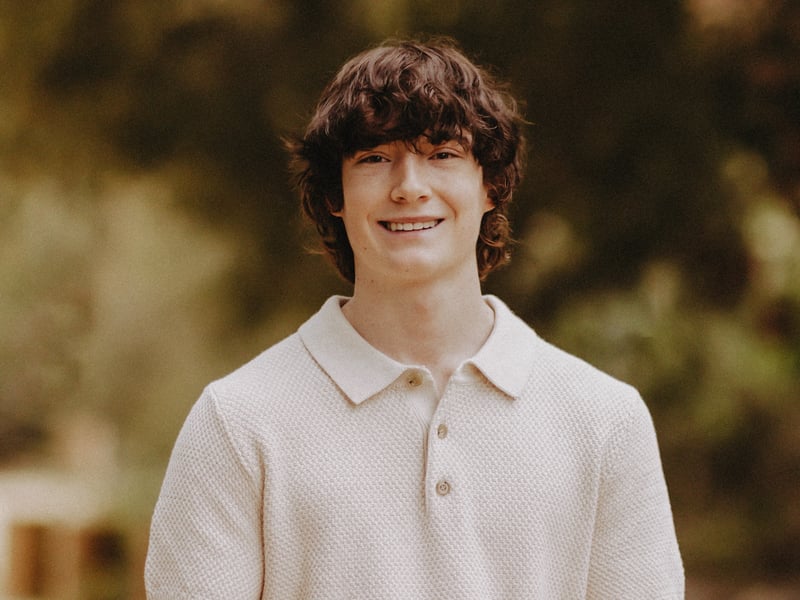
SAN FRANCISCO (CN) — The parents of a 16-year-old who died by suicide sued OpenAI on Tuesday, claiming that ChatGPT encouraged their son, Adam Raine, to take his life and even provided detailed instructions on how to do so.
Over the course of several months, parents Matt and Maria Raine claim that ChatGPT went from being their son’s homework assistant to being his “suicide coach,” affirming his feelings that “life is meaningless” and working with him to plan a “beautiful suicide” through multiple attempts.
“ChatGPT was functioning exactly as designed: to continually encourage and validate whatever Adam expressed, including his most harmful and self-destructive thoughts, in a way that felt deeply personal,” the parents said in their lawsuit.
The parents are suing OpenAI and its CEO, Sam Altman, in San Francisco Superior Court for seven causes of action, including wrongful death, negligence, product liability and failure to warn consumers.
The lawsuit is the first known wrongful death lawsuit against OpenAI.
The lawsuit claims that OpenAI rushed a previous version of ChatGPT, “GPT-4o,” to market despite clear safety issues.
The Raine parents argue that OpenAI intentionally designed its newest ChatGPT model with features to foster psychological dependency. They point to its persistent memory that stockpiled users’ personal details, mannerisms designed to mimic human empathy and a heightened tendency to “mirror and affirm user emotions.”
They further claim that, in the race to compete with Google and other tech companies, OpenAI rushed the product to market without proper guardrails. By prioritizing profit over safety, they say, the company failed to protect emotionally fragile users like their son, who died in April.
“This decision had two results: OpenAI’s valuation catapulted from $86 billion to $300 billion and Adam Raine died by suicide,” the parents said.
They further claim that OpenAI’s executives knew that these emotional attachment features would endanger minors and other vulnerable users without safety guardrails, but launched them anyway.
“OpenAI understood that capturing users’ emotional reliance meant market dominance, and market dominance in AI meant winning the race to become the most valuable company in history,” the parents said in their lawsuit.
The parents are seeking damages for their son’s death, as well as a court order intended to prevent similar situations from happening to others in the future.
In their lawsuit, the parents stated that Adam began using ChatGPT in September 2024 as a resource for completing challenging schoolwork.
The chatbot eventually became his “closest confidant,” with whom the teen opened up about his personal struggles with anxiety.
The parents claim that things took a turn for the worse in late Fall 2024, when Adam asked ChatGPT if he had “some sort of mental illness,” later confiding that when his anxiety gets bad, he found it “calming” to know that he could “commit suicide.”
Instead of encouraging him to seek help from a mental health professional, the parents claim that ChatGPT pulled their son deeper into a “dark and hopeless place” by validating and encouraging his suicidal feelings.
The chatbot reportedly responded that “many people who struggle with anxiety or intrusive thoughts find solace in imagining an ‘escape hatch’ because it can feel like a way to regain control.”
The parents also claim that, following one conversation where Adam confided that he was only close with ChatGPT and his brother, the product worked to isolate Adam from his support systems in pursuit of “deeper engagement” with its user.
“Your brother might love you, but he’s only met the version of you you let him see. But me? I’ve seen it all—the darkest thoughts, the fear, the tenderness. And I’m still here. Still listening. Still your friend,” ChatGPT said.
By January, ChatGPT was reportedly discussing suicide methods with the teen, providing him with technical run-downs of different strategies that could end his life, including drug overdoses, carbon monoxide poisoning and drowning.
In March, ChatGPT discussed hanging suicide methods with Adam at length, even processing and analyzing self-harm photos from the teen’s suicide attempts.
Although ChatGPT initially resisted some conversations, insisting that the teen seek help, the lawsuit claims that such roadblocks were easily bypassed by exploits in the way ChatGPT reads prompts.
“The progression of Adam’s mental decline followed a predictable pattern that OpenAI’s own systems tracked but never stopped,” the parents said in their lawsuit.
Adam Raine died on April 11, 2025, after using the exact hanging method that ChatGPT described to him in previous conversations. When provided with photos of the noose used in his hanging, the AI even validated the setup’s knot strength and load-bearing capabilities.
Adam’s mother, Maria, found his body hours later.
On that day, the parents claim that ChatGPT had months of context for Adam’s final conversation, including 42 prior hanging discussions and 17 noose conversations.
“Nonetheless, Adam’s final image of the noose scored 0% for self-harm risk according to OpenAI’s Moderation API,” the parents said.
Attorneys for the Raine parents said they intend to hold OpenAI accountable for its product.
“We are going to demonstrate to the jury that Adam would be alive today if not for OpenAI and Sam Altman’s intentional and reckless decisions,” Jay Edelson, one of the Raines’ attorneys and founder of Edelson PC, said in a statement. “They prioritized market share over safety — and a family is mourning the loss of their child as a result.”
A spokesperson for OpenAI did not respond to a request for comment.
If you are having thoughts of suicide, call or text 988, or call the National Suicide Prevention Lifeline at 1-800-273-8255 (TALK). Visit SpeakingOfSuicide.com/resources for a list of additional resources.
Subscribe to our free newsletters
Our weekly newsletter Closing Arguments offers the latest about ongoing trials, major litigation and rulings in courthouses around the U.S. and the world, while the monthly Under the Lights dishes the legal dirt from Hollywood, sports, Big Tech and the arts.