
 Search Articles


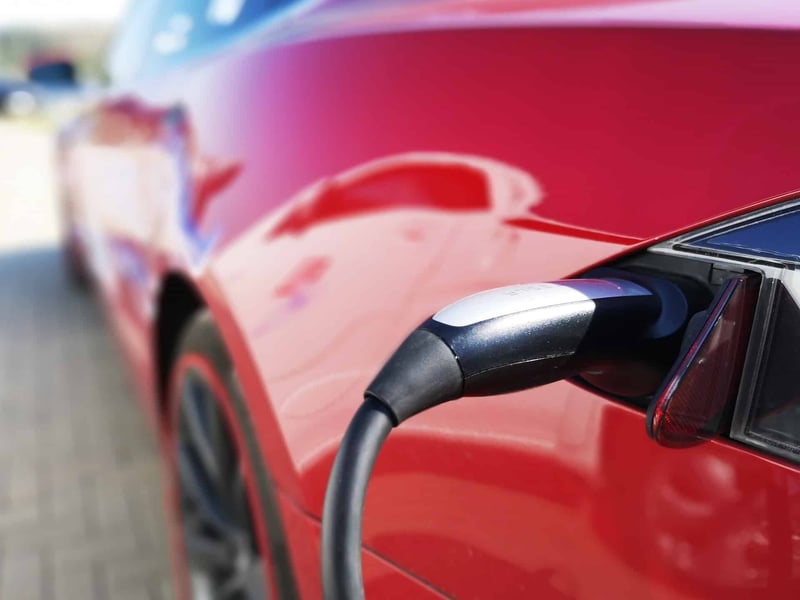
SEATTLE (CN) — Whether the Trump administration can skirt a lawsuit from a coalition of 20 states over changes to an electric vehicle charging infrastructure program is in the hands of a federal judge who heard dueling motions for summary judgment on Tuesday.
“In a blatant end run around the express limitations on their authority, the defendants refused for months on end to obligate [National Electric Vehicle Infrastructure Formula Program] funds to the plaintiff states,” Caitlin Soden with the Washington Attorney General’s Office argued.
In May, the states sued the Trump administration — naming the U.S. Department of Transportation and Transportation Secretary Sean Duffy and the Federal Highway Administration and its administrator as defendants — arguing that it unlawfully withheld billions in congressionally approved funding previously slated for electric vehicle charging infrastructure across all 50 states.
In June, U.S. District Judge Tana Lin granted the states’ motion for a preliminary injunction requiring the Federal Highway Administration to restore funding for the National Electric Vehicle Infrastructure Formula (NEVI) Program, which allocated $5 billion to states to build electric vehicle charging networks across the country.
Both the states and the federal government moved for summary judgment, with the government arguing that the case has been rendered moot following changes to the program.
“The temporary pause that spurred this lawsuit has concluded,” Justice Department attorney Heidy Gonzalez argued.
That pause refers to the Department of Transportation’s suspension of program funding in early February, which came on the heels of President Donald Trump’s signing of Executive Order 14154, titled “Unleashing American Energy,” announcing several directives impacting the energy industry.
After retroactively revoking the approval of state submitted plans in February, the Federal Highway Administration later issued updated guidance and asked states to submit new deployment plans in August.
The federal government argued that action resolved the case. But Lin questioned why the government needed to pause in the first place and require new plans from states.
“The administration wanted to make sure it was not implementing policies, priorities and policy decrees that the previous administration determined were important to it,” Gonzalez said.
The NEVI Formula program was signed into law by former President Joe Biden in 2021 with the intent to build an interconnected network of highways with electric vehicle charging stations across the nation. It was part of his bid to accelerate the country’s transition away from fossil fuel-powered vehicles and planned for multiple rounds of funding between 2022 and 2026.
During the pause, the Trump administration eliminated all policies created under the Biden administration that it deemed unnecessary, Gonzalez explained.
Lin questioned why the states were required to submit new plans if the new requirements were less stringent than the old plan requirements. Gonzalez clarified that the states were allowed to resubmit old plans so long as they complied with the requirements made under the current administration.
The states argued that changing priorities is not a basis to withhold funding. Even though the states have resubmitted plans to receive more funding, projects already underway have been delayed. Plus, the Trump administration hasn’t guaranteed that it will fulfill funding.
“Defendants have not promised to obligate NEVI funds and disperse them as required by statute,” Soden said.
A collection of environmental interest groups, led by the Sierra Club, intervened in support of the states. For the environmental groups, the disruption to the states’ NEVI program funding has meant their members who use and rely on electric vehicles have been adversely affected.
“We, of course, acknowledge the limits of the existing fast-charging network — NEVI’s entire purpose was to remedy those issues,” Joe Halso with the Sierra Club said. “By impeding build out of that network, defendants have delayed and denied our members access to those charging stations, prolonging, contributing to and causing our members injuries.”
The government argued the pause didn’t withdraw or withhold funding but realigned the program and offered the states the opportunity to resubmit plans.
Lin said she expects to issue a ruling within a week.
Subscribe to our free newsletters
Our weekly newsletter Closing Arguments offers the latest about ongoing trials, major litigation and rulings in courthouses around the U.S. and the world, while the monthly Under the Lights dishes the legal dirt from Hollywood, sports, Big Tech and the arts.