
 Search Articles


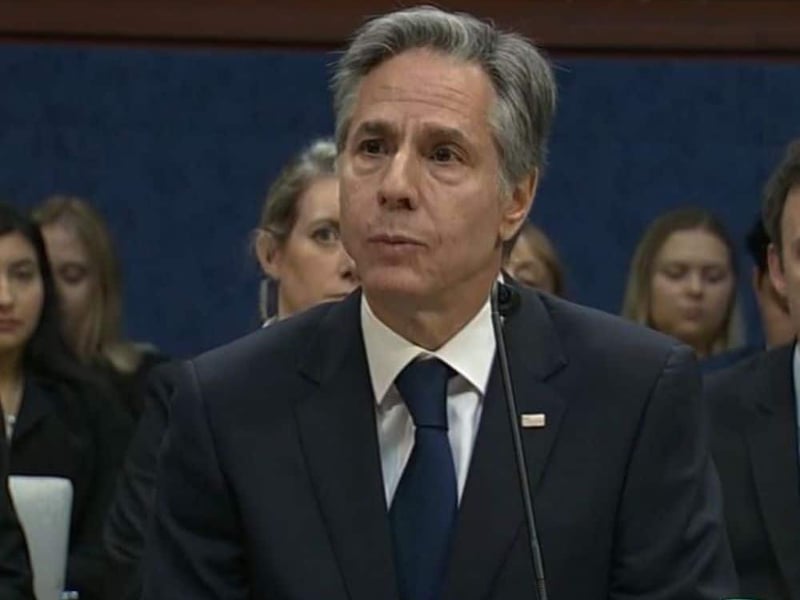
WASHINGTON (CN) — The Biden administration says it made a “tough choice” to secure the freedom of five American citizens detained in Iran and isn’t paying a ransom for their release.
The deal has drawn widespread condemnation from Republicans, but State Department spokesperson Matt Miller said critics are providing “false choices” and “wishful thinking.”
“Iran is not going to release these American citizens out of the goodness of their heart. That is not real life. That is not how this works. That was never going to happen,” he said Monday. “We have to make tough choices and engage in tough negotiations to bring these Americans home.”
This past Friday, Secretary of State Antony Blinken approved a waiver for international banks to transfer $6 billion in frozen Iranian money from South Korea to Qatar without fear of violating U.S. sanctions. Washington also agreed to release five Iranian citizens held in the United States.
In exchange, Iran agreed to release five Americans, who were already moved from prison to house arrest in preparation for a possible prisoner exchange.
The accounts will be under “strict oversight” by the Treasury Department, Miller said, and the U.S. has “visibility into how they’re used and we have the ability to police their use.” He noted the U.S. could freeze the funds in the future.
The accounts are tied to actions under former President Donald Trump, who in 2016 withdrew from a deal that sought to keep Iran from developing nuclear weapons while simultaneously restoring sweeping sanctions on the country. At the time, the Trump administration provided waivers to eight countries to import limited quantities of crude oil from Iran, waivers that were rescinded in 2019.
Miller said the accounts were set up to facilitate purchases made under those waivers and did not have restrictions on how the money could be spent. When President Joe Biden took office in 2021, the administration restricted use of the money to humanitarian needs.
“Iran has always been able, under the [system] set up by the previous administration, to access the funds in these accounts,” Miller said.
Despite the exemption to using the money, Miller said international banks were wary of violating sanctions by participating in any transactions involving the funds. On Friday, Blinken provided a waiver to banks to participate in the transactions, essentially freeing the funds.
Critics of the move, including Trump, have characterized it as a payout to release the detained Americans. But Miller countered that it was already Iranian money. He emphasized that the U.S. has a policy to not pay ransom.
“The United States is not giving Iran anything or paying Iran any amount of money,” he said. “There are people who claim that we are giving money and we cannot give something that is not ours.”
However, Iranian President Ebrahim Raisi told NBC News that his government will decide how it will spend the funds.
“This money belongs to the Iranian people, the Iranian government, so the Islamic Republic of Iran will decide what to do with this money,” he said, according to an Iranian government translator.
Miller said Raisi’s statement could be based on “the policy under the previous administration,” but “it is not the policy of this administration and it is not the policy that will be in place here.”
 Follow @TheNolanStout
Subscribe to our free newsletters
Our weekly newsletter Closing Arguments offers the latest about ongoing trials, major litigation and rulings in courthouses around the U.S. and the world, while the monthly Under the Lights dishes the legal dirt from Hollywood, sports, Big Tech and the arts.