
 Search Articles


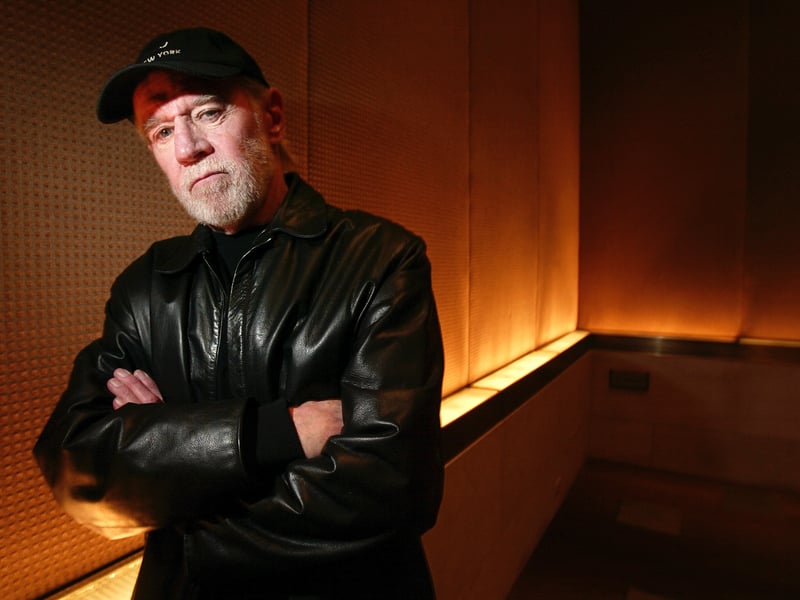
LOS ANGELES (CN) — A group of stand-up comedians, including Bill Engvall, Lewis Black, and the estates of the late George Carlin and Robin Williams, agreed to settle a consolidated copyright infringement lawsuit against Pandora Media for streaming their routines without a proper license for the underlying literary works.
The audio entertainment streaming service and the comedians filed a notice of settlement Tuesday in Los Angeles federal court.
Terms of the settlement weren’t disclosed in the court filing, but Pandora’s lead counsel Paul Fakler said in an email that the company didn’t pay for the “literary works” rights — the rights to the written jokes that were at issue in the lawsuits — and it didn’t take acquire a license for those rights going forward.
“This settlement amicably ends a multi-year hard-fought litigation and saves both sides from the significant expense and business distraction of continuing to litigate for years to come,” Fakler said.
An attorney representing the plaintiffs did not immediately respond to a request for comment.
The settlement comes after a court-appointed special master recommended last year that Pandora should prevail on summary judgment because, among other reasons, it had a so-called implied license to stream the routines.
“While some plaintiffs testified that they did not intend to convey rights allowing streaming services to use plaintiffs’ routines, all plaintiffs undisputedly knew for years that their routines were streaming on Pandora,” retired U.S. Magistrate Judge Suzanne Segal said in her recommendation. “Nevertheless, for nearly a decade … they never objected.”
The result, Segal said, is that under Ninth Circuit precedent, Pandora has an implied license.
Moreover, she said, some of the comedians encouraged Pandora to stream their routines, and they received royalties from Pandora for its use of the sound recordings “without complaint.” Those royalties from the sound recordings are separate from any royalties based on the underlying written work that the comedians claimed.
U.S. District Judge Mark Scarsi, who had appointed Segal to review the massive amount of documents that were filed as part of the summary judgment motions, rejected the comedians’ argument that the special master had been wrong to find that, under Ninth Circuit law, Pandora has an implied license to the underlying written works.
Scarsi noted, however, that he was only approving Segal’s conclusion that an implied license defense may succeed outside the traditional framework of work-for-hire cases and that he was expressing no opinion on whether the special master had “distilled appropriate rules or principles from implied license cases outside the work-for-hire context or appropriately appliedthose rules or principles to the facts of this case.”
The judge, a Donald Trump appointee, ordered the parties to hold settlement talks before another magistrate judge before he would send the case back to Segal with additional instructions regarding the summary judgment motions.
The other stand-up comedians who were part of the consolidated cases are Ron “Tater Salad” White, Andrew Dice Clay, Nick Di Paolo and George Lopez. The mother of the late Bill Hicks also sued Pandora.
 Follow @edpettersson
Subscribe to our free newsletters
Our weekly newsletter Closing Arguments offers the latest about ongoing trials, major litigation and rulings in courthouses around the U.S. and the world, while the monthly Under the Lights dishes the legal dirt from Hollywood, sports, Big Tech and the arts.