
 Search Articles


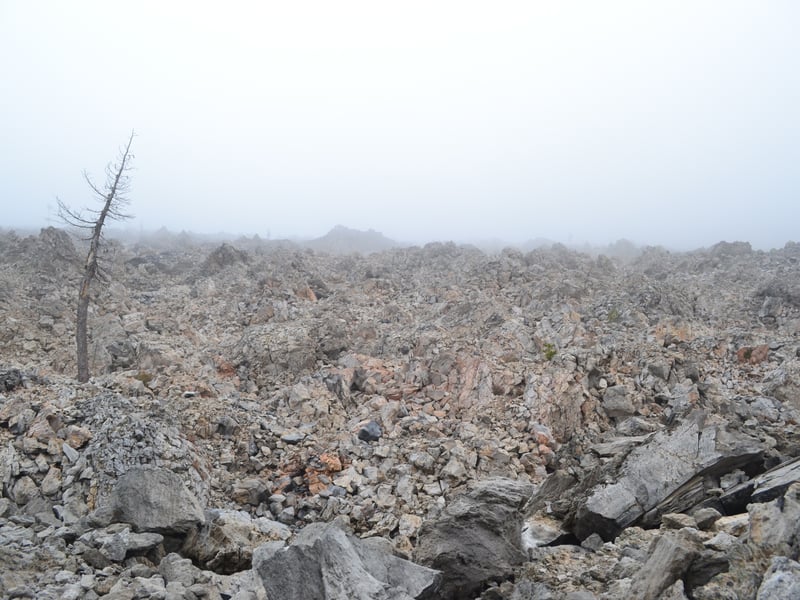
SISKIYOU COUNTY, Calif. (CN) — More than 100,000 years ago, the massive Medicine Lake Volcano formed a caldera in the Cascade Mountains in Northern California. More than 10 times the size of Mount St. Helens, it features some of the freshest water and darkest skies in the Golden State.
One of former President Joe Biden’s last official acts was to designate a protected area here, the nearly 225,000-acre Sáttítla Highlands National Monument in California’s Siskiyou County. But now, this national monument is once again under threat from development, as the Trump administration floats the prospect of rescinding its protected status.
In the endangered local Ajumawi language, sáttítlameans “obsidian place.”
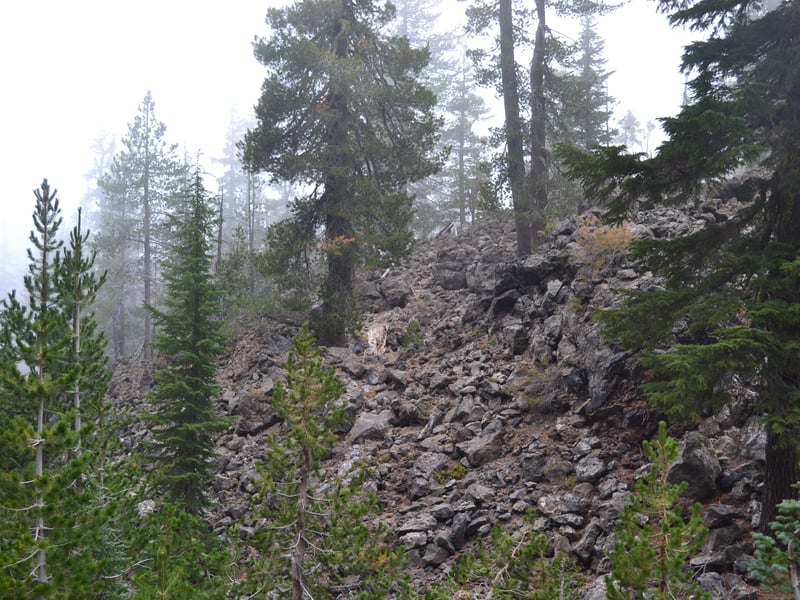
Medicine Lake Volcano pushed up thousands of tons of rock when it erupted, including obsidian, which forms from rapidly cooled lava. The vacant space created by that displaced rock in turn created room for lakes and aquifers, giving Sáttítla abundant fresh water.
Diverse conditions here support a range of rare or endangered species, including the dwarf alpinegold flower, the Boggs Lake hedge-hyssop and the Northern spotted owl. It’s a sacred space for the local Pit River Tribe, and the site of their origin story.
Sáttítla is a “place that we have used in ceremony since time immemorial,” Brandy McDaniels, a tribal representative, said in an interview.
The Pit River and Modoc tribes, both of which claim Sáttítla as their ancestral homelands, were critical to the activism that helped get this place protected designation.
And the Modoc Tribe fought for the land here, in the Modoc War of the 1870s. As punishment, many members were exiled to Oklahoma after the war ended.
As for the Pit River Tribe, many of its members have chosen to stay in this region because of its innumerable benefits, even though many still lack electricity and running water, McDaniels said.
“We have our foods, we have our medicines, and we have clean water,” she said. “We have those things that we were always taught [are] important, keep us well mentally, physically and spiritually.”
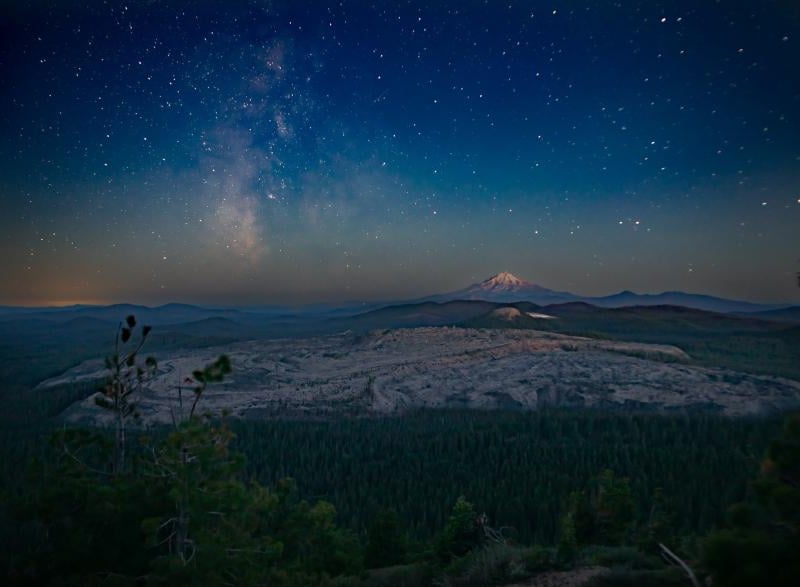
And yet over the years, protecting this land from development has been a battle. In the 1980s, the federal government approved dozens of permits for geothermal production and exploration here.
Working with Stanford University’s Environmental Law Clinic, Pit River leaders sued the Bureau of Land Management in 1997, arguing the government was improperly approving development without tribal consultation. A succession of legal victories stopped new projects and helped protect Sáttítla, ultimately paving the way for its official designation as a national monument.
And yet the taking continues, in big and small ways. McDaniels gave an example of a local pumice miner, who had extraction rights in the area before designation.
Before Sáttítla became a national monument, “they were able to get a permit to be doing this and depleting the resources of that area,” she said. She estimated the landholder would exhaust all pumice in their parcel within two or three years.
“They have been asking for a carve out of the monument to continue to deplete the resources area, [but] our elders say no, because that is how the water gets filtered,” she said. “That’s another example of people just not understanding or not caring, because they’re making a dollar off of it.”
And if the Trump administration follows through on revoking protections, the concern is that Sáttítla could once again become vulnerable to resource extraction on a bigger scale.
Pumice isn’t the only natural resource in Sáttítla that some people covet. Due to its expansive volcanic geology, it’s an abundant source of geothermal energy, similar to nearby Klamath Falls, Oregon, which relies heavily on geothermal.
And there’s vandalism and theft, as visitors chop out and cart away chunks of obsidian or even carve their initials using hammers and chisels. Currently, a laminated paper sign warning of a $250 fine for absconding with stones is the only deterrent to stop the practice.
“The Forest prohibited obsidian collection from the Sáttítla area decades ago,” Suzanna Johnson, a spokesperson for Modoc National Forest, said in an email. She noted there were “four specific and legal obsidian collection areas in the Warner Mountains east of Sáttítla for the purpose of sustaining rockhounding activity and interest.”
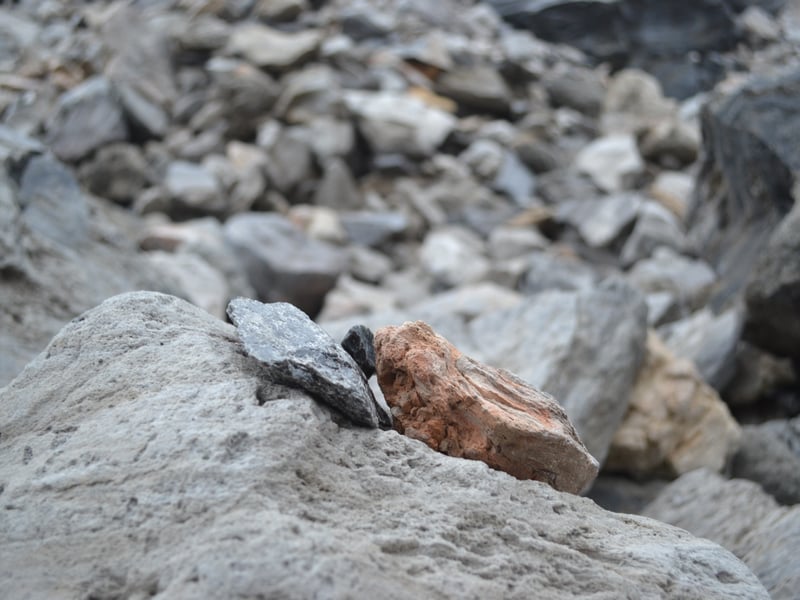
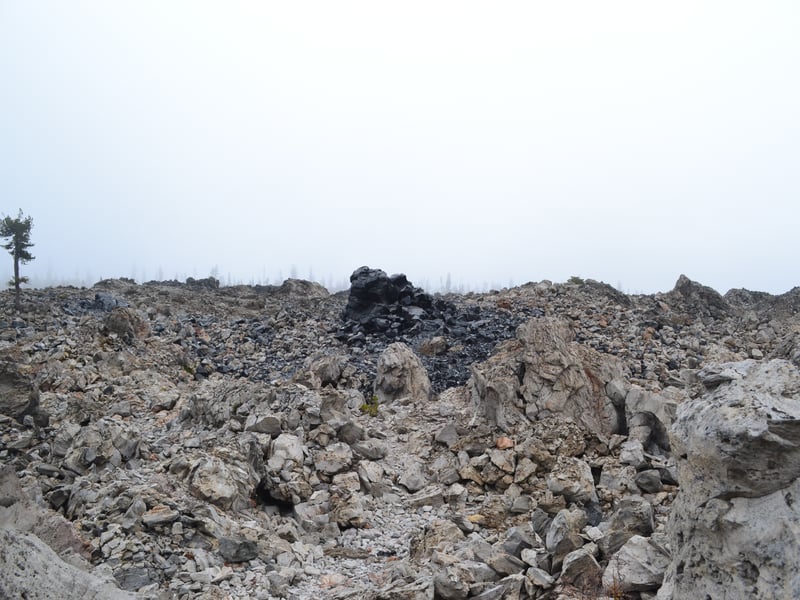
Left: a sampling A sampling of volcanic rock, including pumice, basalt and obsidian at Glass Mountain in the Sáttítla Highlands National Monument. Right: A large boulder of obsidian sits among the ancient landscape of volcanic rock called Glass Mountain in the Sáttítla Highlands National Monument. (Carly Nairn/Courthouse News)
Following the designation, the U.S. Forest Service and the Pit River and Modoc tribes have partnered to manage the monument. That includes basics like maintenance and signage, as well as bigger projects. The groups are working to remove geothermal wells, as well as manage the mountain pine beetle, which increases tree mortality and thus contributes to wildfires.
“The Medicine Lake Recreation Area is the epicenter of this natural challenge,” Johnson said.
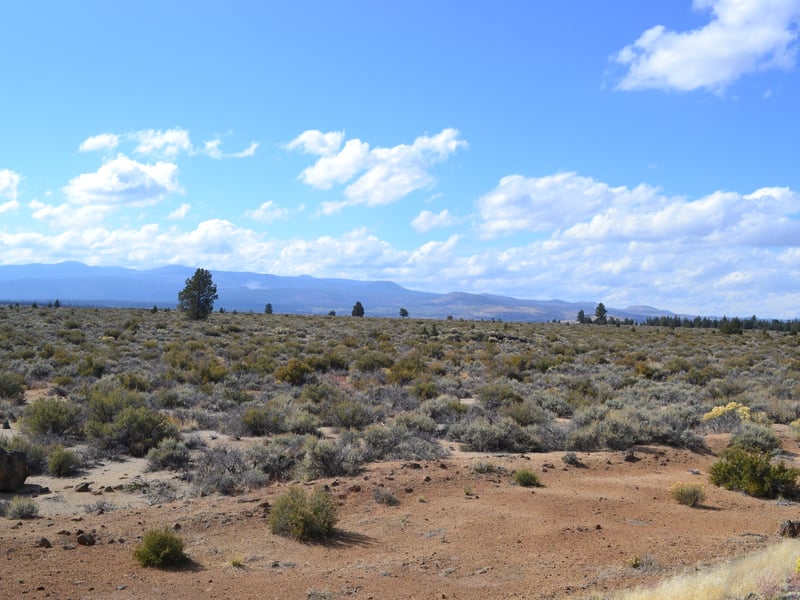
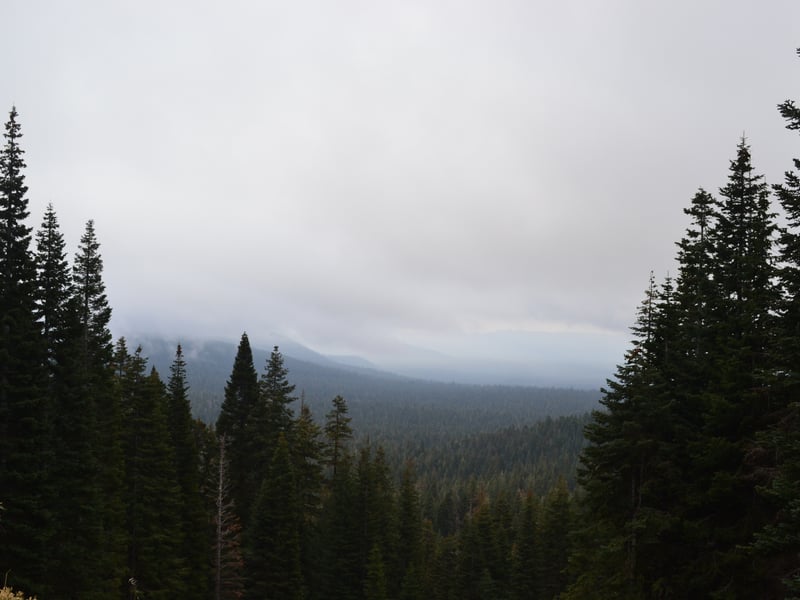
Besides its geologic activity like lava flows, Sáttítla is breathtaking because of its abundance of more than 450 animals, plants and fungi, some species of which are found nowhere else in the world.
For many people, a big draw to the area is water. The Highlands include aworld-renowned trout fishery as well as California’s largest spring creek, the Fall River, which feeds into the Pit River, Lake Shasta, and the Sacramento River. Indigenous people and fishing enthusiasts alike call it some of the purest water in the world.
“It stores more pure water and resources than 200 of California’s largest surface reservoirs combined,” McDaniels said, “and it does that even in drought years. And so, it literally is providing pure drinking water to millions of Californians.”
Even with the national monument designation, debates continue over how this land should be used and shared.
Take Medicine Lake, a popular summer camping spot and the crown jewel of Sáttitla Highlands. Debate over how the lake should be used came up in public hearings, Monica Super, an elected representative for the Hammawi Band of Pit River, said in an email.
“On one hand, people wanted to ensure their summer vacations would not be interrupted, and they could continue to build the all-American pastime memories with their families,” Super said. “On the other was this unwavering need for the Pit River and Modoc people to be able to use this area as it was prescribed through ancient, natural, and spiritual law.”
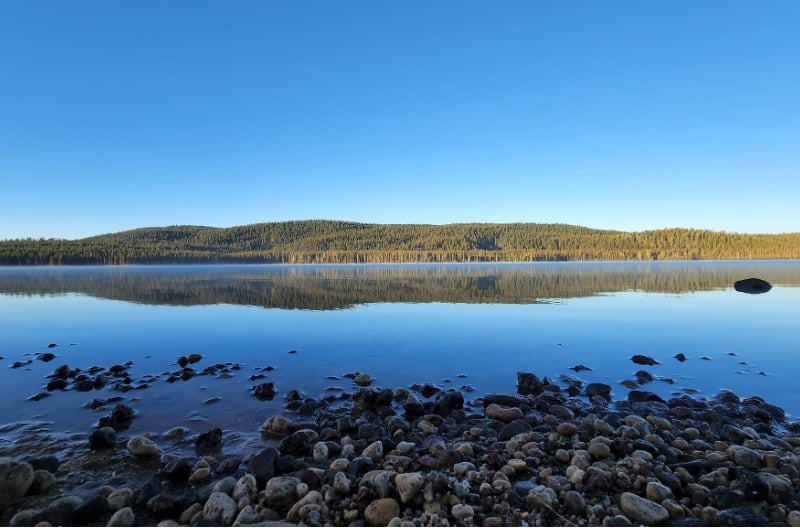
For members of the Modoc and Pit River tribes, there continues to be a lot to fight for, especially as some Modoc members visit the lands over which their ancestors battled the U.S. Army.
It’s more than the flora and fauna and water, though of course those are important — it’s the history, cultural and familial connections. Being here provides “calm in your soul you cannot get anywhere else,” Audrey McGaughey, tribal historic preservation officer for the Modoc Nation, said in the email.
McGaughey and a few other Modoc tribal members journeyed to Sáttítla from Oklahoma in October for the “Modoc Ancestral Run,” an annual remembrance event to reconnect with the land.
“It spiritually took our breath away,” she said. “This year we got to sleep in a blizzard alongside Medicine Lake and experience the power there. It reminds me of all the work I have to do in my lifetime to make sure I preserve these ways.”
Pit River member and Modoc descendant Super offered similar sentiments.
“When Kemush and Kwahn were making the worlds of the Pit River and Modoc people, they were thoughtful in everything they formed,” she said. “When we stand on the high peaks and look over the highlands, it tells a story of our creation, down to the details.”
“Anyone can make their way to the Sáttítla Highlands and instantly be moved by its beauty,” she added, “but it’s the Pit River and Modoc people that can say these lands are specific to our creation.”
Subscribe to our free newsletters
Our weekly newsletter Closing Arguments offers the latest about ongoing trials, major litigation and rulings in courthouses around the U.S. and the world, while the monthly Under the Lights dishes the legal dirt from Hollywood, sports, Big Tech and the arts.