
 Search Articles


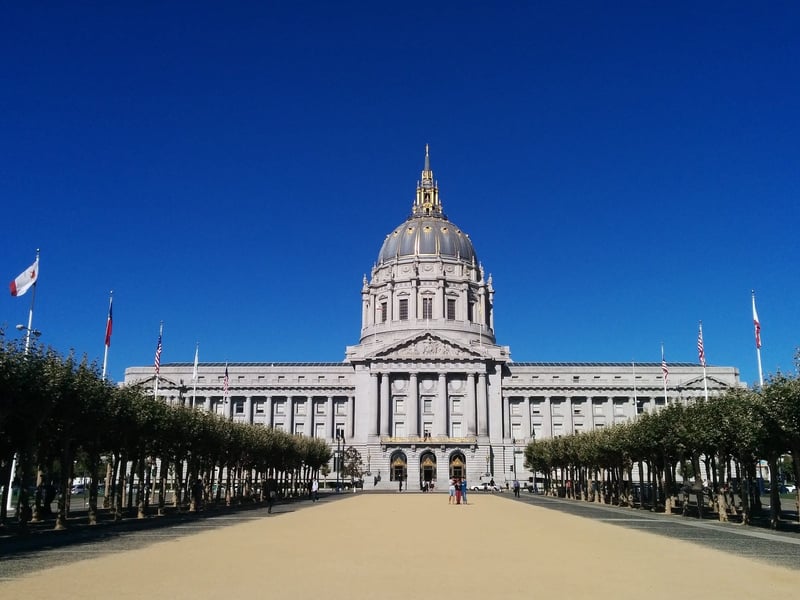
SAN FRANCISCO (CN) — A reparations plan intended to address the systemic inequalities Black San Franciscans have faced is unconstitutional and racially discriminatory, plaintiffs argue in a lawsuit filed in San Francisco Superior Court on Thursday.
The plaintiffs — Californians for Equal Rights, a nonpartisan nonprofit that promotes “equal rights and merit,” and two of its members — say San Francisco’s reparations plan is unconstitutional because it allocates government benefits based on race and ancestry.
“The Reparations Plan does not identify specific instances in which San Francisco violated the Constitution or any statute. It does not identify discrete victims of unlawful government conduct. It does not consider race-neutral alternatives. And it does not sunset. Instead, it replaces individual rights with inherited status and imposes a system of generational liability enforced by government power,” the plaintiffs say in their complaint.
“Both the United States and California Constitutions forbid this. Government may not allocate benefits, opportunities or burdens according to race or lineage,” they add.
The plaintiffs further take issue with the city’s Human Rights Commission administering the program, which they call a “misuse of government power.”
“By directing an agency funded almost entirely by taxpayer dollars to administer funding solely dedicated to implement race-exclusive benefits, the city is using public money, public employees, and public authority to carry out an unconstitutional racial spoils system that allocates benefits and opportunities based on race and ancestry,” they say.
The plaintiffs name the San Francisco Human Rights Commission, its executive director, and the city and county of San Francisco as defendants in the case. They are asking the court to prohibit the defendants from using government resources or funds to administer the reparations program as long as it discriminates based on race and ancestry.
“Taxpayer funds cannot be used to manage the assets of an unlawful program,” Andrew Quinio, an attorney with the Pacific Legal Foundation, a conservative law firm representing the plaintiffs, said in a statement to Courthouse News.
“The Reparations Plan is patently unconstitutional, and San Francisco is wasting and abusing taxpayer dollars by administering the plan’s funding. Our clients are standing up for all taxpayers against San Francisco wasting their hard-earned money on advancing illegal plans,” he added.
San Francisco established the African American Reparations Advisory Committee in 2020. In July 2023, the committee published the San Francisco Reparations Plan, which comprised recommendations on how to address the historical harms faced by Black San Franciscans, including issuing a formal apology for past harms, committing to investments in the Black community and creating an independent Office of Reparations to track implementation of the reparations plan.
The city’s Board of Supervisors voted to accept the plan in October of the same year. Two years later, in December 2025, the Board of Supervisors unanimously voted to establish the San Francisco Reparations Fund, the next step in implementing one of the commission’s core recommendations.
“The passage of this ordinance moves San Francisco from apology to action. For years, Black San Franciscans have been clear that recognition without resources is not enough,” District 10 Supervisor Shamann Walton said in a statement after the ordinance was passed.
San Francisco Mayor Daniel Lurie signed the ordinance into law on Dec. 23 but noted the city would not be allocating resources to the fund, citing its nearly $1 billion budget deficit.
“My administration has regularly supported the use of private funds to support our communities, and if there is private funding that can be legally dedicated to this fund, we stand ready to ensure that funding gets to those who are eligible for it,” he said in a statement to ABC7 at the time.
In a statement to Courthouse News, Alex Barrett-Shorter, deputy press secretary for San Francisco City Attorney David Chiu, said, “Once we are served, we will review the complaint and respond in court.”
A representative for the San Francisco Human Rights Commission did not immediately respond to a request for comment.
 Follow @mhattridge_
Subscribe to our free newsletters
Our weekly newsletter Closing Arguments offers the latest about ongoing trials, major litigation and rulings in courthouses around the U.S. and the world, while the monthly Under the Lights dishes the legal dirt from Hollywood, sports, Big Tech and the arts.