
 Search Articles


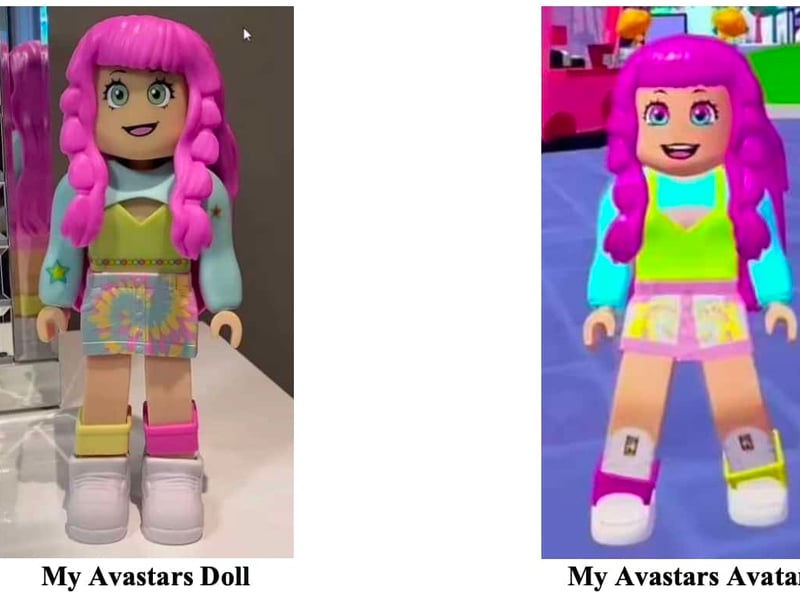
SAN FRANCISCO (CN) — Popular games company Roblox Corp. settled Tuesday with a Hong Kong-based toymaker over claims that their line of My Avastars dolls illegally copied classic avatars from Roblox’s popular online game platform for kids.
U.S. District Judge Susan Illston, a Clinton appointee, signed off on the settlement order filed in the United States District of Northern California.
In return for dismissing all the suit’s claims with prejudice, Roblox and WowWee Group entered into a confidential agreement with each party bearing its own attorneys’ fees, costs and expenses.
Attorneys for Roblox and WowWee didn’t immediately respond to a request for comment on the decision.
Roblox is, by some accounts, the most popular kids game in the United States, with 58.8 million daily active users around the world, as of last year — though calling it a game is somewhat misleading. More accurately, it is a “digital world where users create virtual games and experiences and connect with other users,” as Roblox describes it.
There are countless games within that world, some of which have been designed by users who interact with one another through animated characters that look similar to Lego figures. These avatars can be personalized by adding different hair styles, articles of clothing and facial expressions.
In August 2022, Roblox filed a lawsuit against WowWee, which had begun selling the My Avastars line of dolls that, according to the company, had been “intentionally copied directly from Roblox’s Classic Avatars.”
“With this lawsuit, plaintiffs seek to halt WowWee’s blatant and admitted copying of Roblox’s copyrighted works, and to put a stop to WowWee’s ongoing efforts to profit off of Roblox’s trademarks, trade dress, and hard-won reputation and success,” said Roblox in their complaint.
Adding insult to injury, Roblox said, WowWee also included a special code with every $25-$35 doll which allowed its customers to link their real dolls with online avatars on the Roblox platform — thus having the virtual world copying the real world copying the virtual world. WowWee called this funhouse mirror the “My Avastars: RP experience."
Roblox further argued that WowWee’s conduct violated its terms of use and sought an injunction that prevented the toymaker from selling any of the My Avastars dolls.
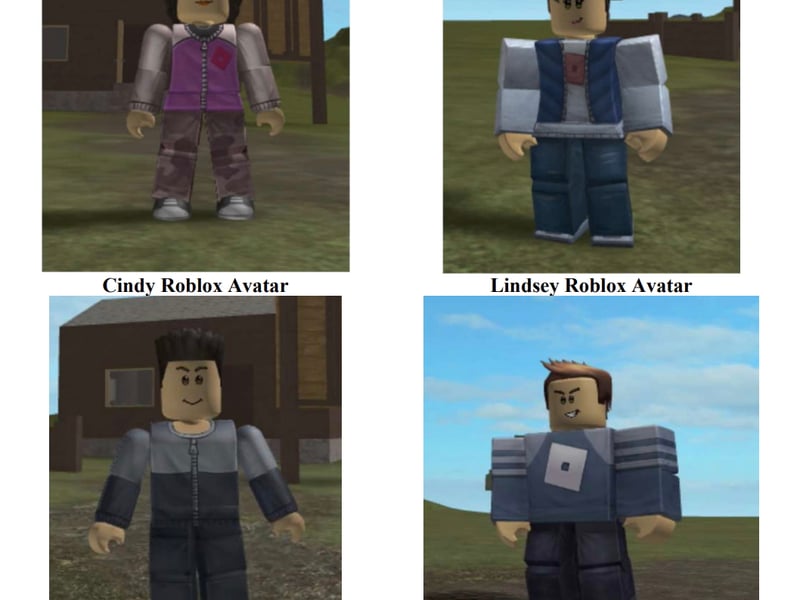
In contrast, the Hong Kong toymaker argued that Roblox doesn’t own an exclusive right to the Cindy, Lindsey, Kenneth and Dennis avatars, or CLKD designs, that are at issue in the litigation.
Before the settlement, the case was expected to go to trial this December in San Francisco federal court.
In September, Illston denied a motion for summary judgment by WowWee, agreeing with Roblox that there were factual disputes about the avatars’ creation that should go before the jury.
However, the judge also granted WowWee’s request to stop Roblox from seeking injunctive relief over its trademark and false advertising claims because the toymaker two years ago voluntarily stopped using the Roblox trademark and removed all references to Roblox in its marketing and promotional materials after it received a cease-and-desist letter.
“The court finds that although the evidence Roblox points to suggests that the CLKD works may have ‘felt like’ the avatar bases in some way, the evidence does not suggest that the CLKD works include ‘copyrightable elements’ of the avatar bases or that the CLKD works were ‘substantially copied,’ from the avatar bases, making them derivative works,” Illston said.
Although Roblox seems to have dodged the legal troubles that come with a trial, their problems don’t stop here. In September, a federal judge allowed claims that the company failed to protect minors on its platform by allowing third-parties to create virtual casinos that drew children into online gambling rings to proceed.
Subscribe to our free newsletters
Our weekly newsletter Closing Arguments offers the latest about ongoing trials, major litigation and rulings in courthouses around the U.S. and the world, while the monthly Under the Lights dishes the legal dirt from Hollywood, sports, Big Tech and the arts.