
 Search Articles


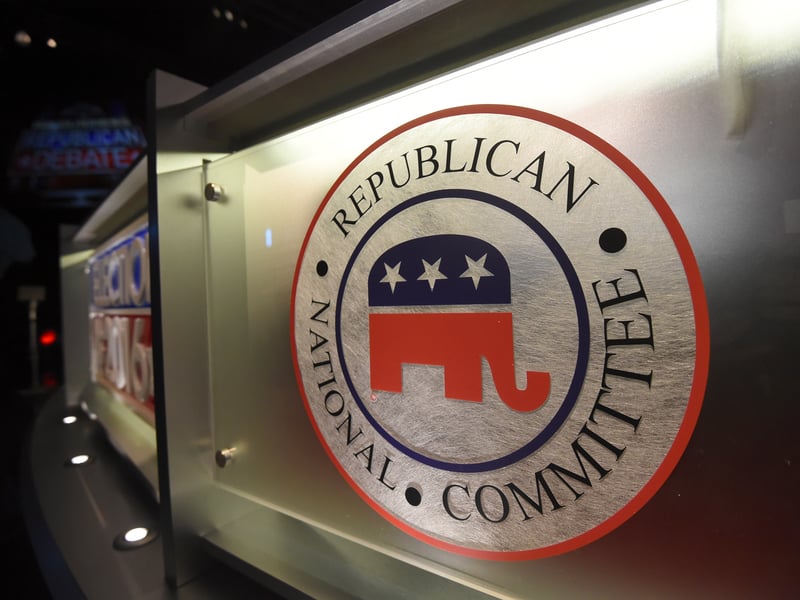
(CN) — The Republican National Committee argued Tuesday to a Ninth Circuit panel that it had a business relationship with Google — one reason why the appeals panel should reinstate its email discrimination complaint against the tech giant.
Tuesday’s arguments stemmed from claims that Google deliberately sent emails from the RNC to users’ spam folders. According to the committee, this tended to occur at the end of each month, the RNC’s most successful fundraising times, over a nine-month period in 2022.
“No other email carrier did this to the RNC,” Attorney Conor Woodfin, representing the RNC, said.
The RNC attorney also noted Tuesday that the issue disappeared once the committee filed suit.
The committee claims that Google violated the Unruh Civil Rights Act, a California law that protects people from businesses discriminating against them.
U.S. Circuit Judge Margaret McKeown asked what business relationship the RNC had with Google — a requirement for the act.
Woodfin called the RNC a patron of Google, as it used its email service.
“You rely on the word ‘patron,’” the Bill Clinton appointee said. “You’re not a customer.”
“The RNC experienced an injury,” he answered.
Woodfin also argued Google qualified as a “common carrier” — a distinction indicating it would have certain duties that a lower court ruled didn’t exist for the Mountain View-based company — meaning it must deliver messages without discrimination.
U.S. Circuit Judge Michelle Friedland, a Barack Obama appointee, said the RNC has acknowledged spam filtering in some cases is acceptable. She questioned how the argument that Google filtered emails because of its political content would work, as everyone could claim their views led to improper email routing.
Woodfin said a common carrier always can filter out dangerous or harmful material.
“The problem with that is spam is kind of in the eye of the beholder,” Friedland replied.
Woodfin countered that people signed up to receive emails from the RNC and they were improperly routed.
Attorney Michael Huston, representing Google, said Gmail users themselves determine which emails go to spam based on what they’ve flagged as unwanted email.
“Google never takes account of a user’s political viewpoint,” he said.
Huston said that, instead of discriminating against the RNC, it worked toward fixing the problem. He said an A/B test occurred, which involves sending two similar emails to determine whether it goes to an inbox or a spam folder. That test showed the political message had no effect on the email’s destination.
He also pushed back on Woodfin’s argument that the misrouted emails typically occurred on heavy fundraising days at month’s end. Instead, Huston gave examples of the spam emails happening at various times throughout the nine-month period.
Also, the Google attorney questioned why someone who wanted to discriminate against the RNC would only focus on one or two days a month.
Friedland pointed to the problem evaporating once the RNC filed suit. But Huston said, “Google repeatedly worked with the RNC throughout these months to solve this problem."
Concerning the common carrier aspect of Woodfin’s case, Huston called it a “radical” argument, as no case law existed to bolster the claim.
“Gmail users mark those emails as spam when they’ve just had enough from that sender,” he added. Additionally, the RNC was neither a customer nor a patron of Google, he said.
U.S. Circuit Judge Jennifer Sung, a Joe Biden appointee, rounded out the panel, which made no decision on Tuesday.
Subscribe to our free newsletters
Our weekly newsletter Closing Arguments offers the latest about ongoing trials, major litigation and rulings in courthouses around the U.S. and the world, while the monthly Under the Lights dishes the legal dirt from Hollywood, sports, Big Tech and the arts.