
 Search Articles


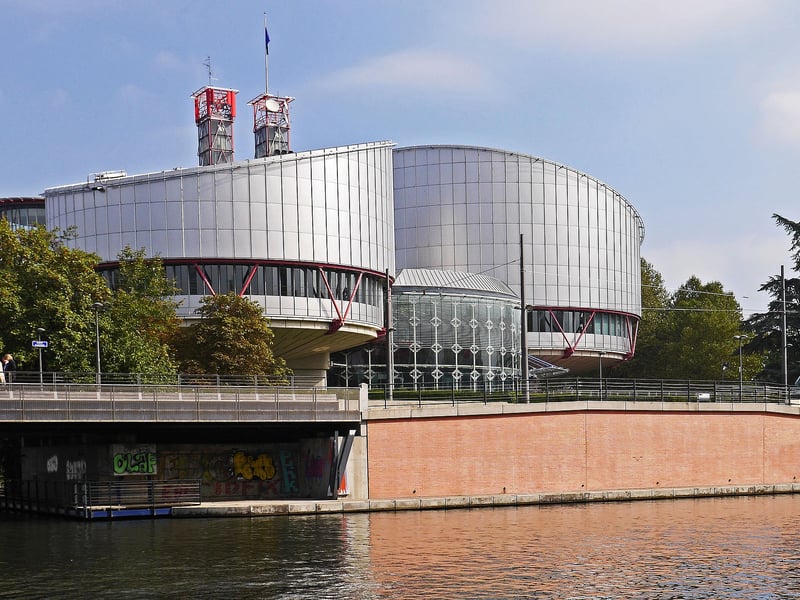
STRASBOURG, France (CN) — Europe’s top rights court on Thursday rejected a complaint from a transgender man who wanted his long-form birth certificate updated to reflect his gender identity.
The Strasbourg-based European Court of Human Rights sided with Poland, finding that Warsaw’s policy of not reissuing long-form birth certificates after a person undergoes sex reassignment surgery is not discriminatory.
The 52-year-old Polish man, who lives in France, obtained an updated short-form birth certificate in 1992 via court order after he underwent sex reassignment surgery. In 2011, he asked Polish authorities for a new long-form birth certificate but was denied.
Warsaw argued that the long-form birth certificate was a record of the birth as it happened and most countries in Europe do not alter long-form birth records when someone undergoes sex reassignment surgery. The short-form certificate is much more commonly used for identification and documentation, whereas the longer version serves mostly as a civil record.
The rights court’s First Section agreed with Poland, concluding that the country had a right to maintain accurate birth records and refusing to change the long-form version didn’t meaningfully impact the man’s life.
“The applicant did not demonstrate that he had suffered any sufficiently serious negative consequences or difficulties resulting from the fact that the sex assigned at birth is still visible in the form of an annotation on his full birth certificate,” the seven-judge panel wrote.
The man, identified only as Y. in court documents, said that he was in the process of applying for French citizenship and adopting a child. He married his French wife in 1993 and the couple had a daughter in 2001. The court pointed out that both his wedding certificate and his daughter’s birth certificate reflected his male identity.
The Strasbourg court, created in 1959 by the European Convention of Human rights, has taken more gender identity-related cases in recent years.
The first case, in 1986, rejected a complaint by a transgender man who was unable to change legal documents in the United Kingdom, finding there were no grounds for discrimination. However, by 1992, the court ruled for the first time that the rights of a transgender person had been violated when France refused to provide an updated identity card for someone who had undergone sex reassignment surgery.
Ten years later, the court concluded there were no arguments against fully recognized transgender people and laws prohibiting them from employment or marriage were discriminatory.
 Follow @mollyquell
Subscribe to our free newsletters
Our weekly newsletter Closing Arguments offers the latest about ongoing trials, major litigation and rulings in courthouses around the U.S. and the world, while the monthly Under the Lights dishes the legal dirt from Hollywood, sports, Big Tech and the arts.