Search Articles


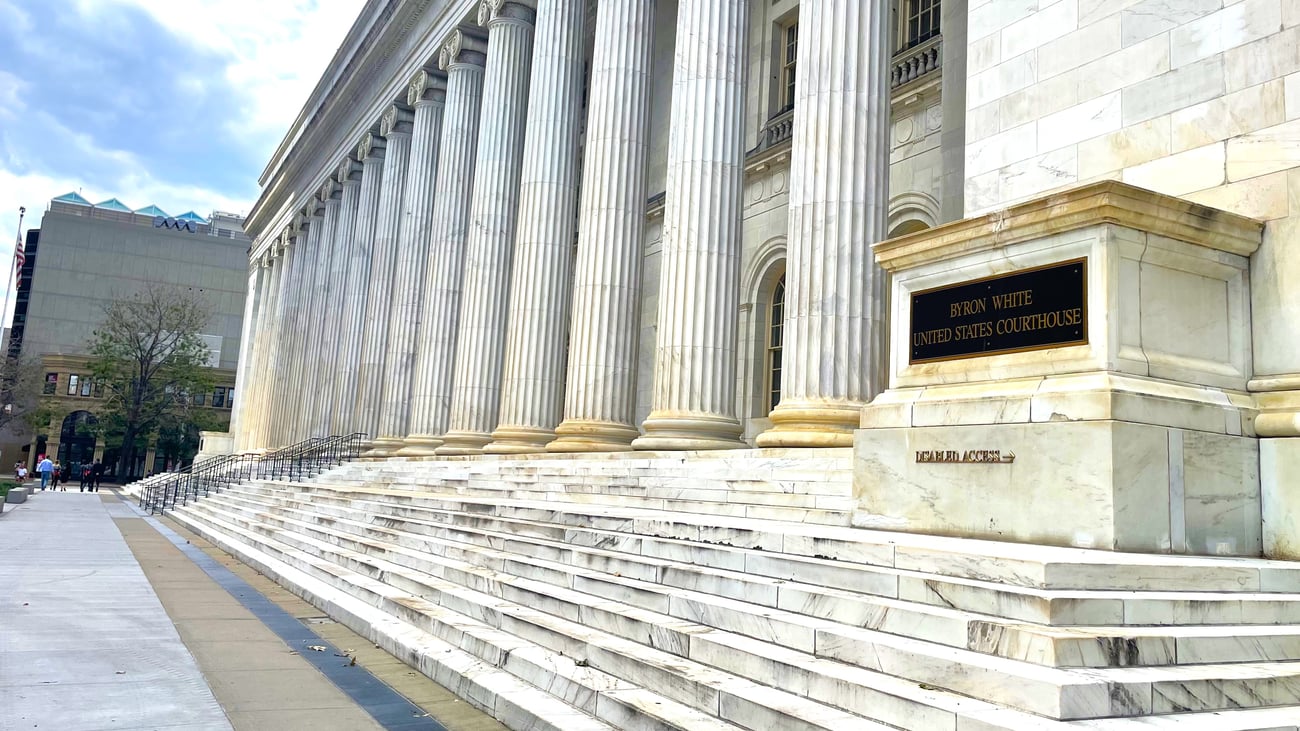
WASHINGTON (CN) — Congressional Republicans fumed Tuesday after the Supreme Court issued a landmark ruling affirming constitutional protections for birthright citizenship and scuttling President Donald Trump’s effort to unilaterally end the practice.
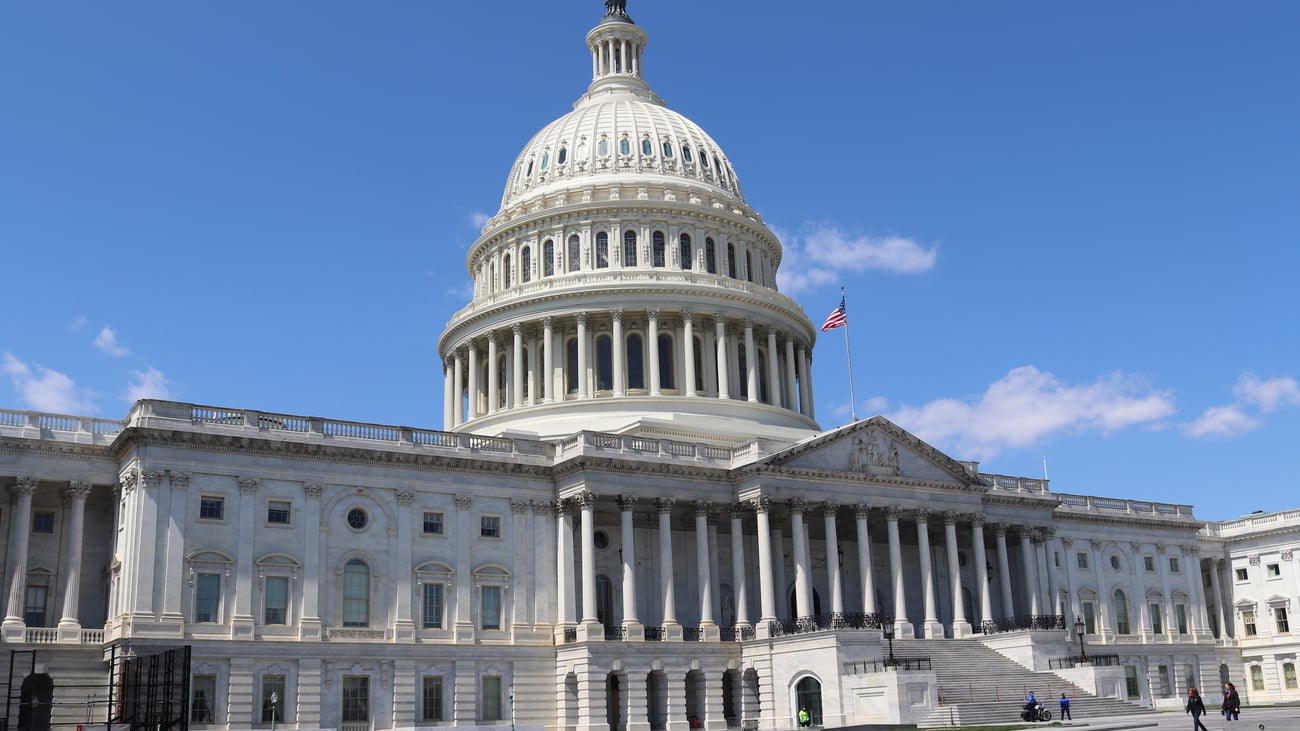
The high court’s decision spurred calls from some lawmakers to amend the country’s founding document and forever write birthright citizenship out of U.S. law. But others within the GOP were clear-eyed about their chances of completing a legal end-run around the justices.
In a consequential 5-4 ruling, the Supreme Court ruled the Constitution confers citizenship to “every free-born person” in the United States, including the children of people here without permanent legal status. The move overturned the Trump administration’s day-one executive order ending birthright citizenship.
Immediately following the decision, Republicans in Congress called for legislative action to overwrite the justices.
“I’m sure the conclusion from this opinion is going to be that you’ve got to amend the Constitution to fix it,” said House Speaker Mike Johnson, who told reporters during a news conference Tuesday the Supreme Court’s ruling is “a textualist, originalist view” but that he believes birthright citizenship has been “grossly abused” by people traveling to the U.S. illegally or on tourist visas.
“We must protect the integrity of American citizenship,” said Kentucky Senator Rand Paul, who in April introduced a constitutional amendment to end its citizenship guarantee.
And South Carolina Senator Lindsey Graham said he was disappointed with the court’s ruling and added that he’d long pushed legislation and proposed constitutional amendments doing away with birthright citizenship.
Changing the country’s founding document is an intentionally difficult process. A proposed amendment must not only achieve a two-thirds majority in the House and Senate but must also garner the support of three-fourths of state legislatures to be ratified.
Still, some Republican lawmakers said they’re open to the prospect of a constitutional amendment killing birthright citizenship.
“We better get in gear on that, I’m afraid,” Tennessee Representative Tim Burchett told Courthouse News on Tuesday afternoon. The congressman later told reporters that his colleagues in Congress needed to “get some dadgum guts and start doing the stuff we said we’re going to do.”
South Carolina Representative Ralph Norman said that he’d “entertain” the notion of amending the Constitution’s protections for birthright citizenship.
“What the Supreme Court ruled today was not what I expected,” he told Courthouse News. “It’s not what I think is right.”
Asked whether he thought ratifying a constitutional amendment would be too heavy a lift for a divided Congress, Norman demurred. “Any time you change the Constitution or add something to it that’s a heavy lift,” he said.
South Carolina Representative Nancy Mace, however, was less convinced than her colleagues by the prospect of a constitutional amendment, calling it “damn near impossible.”
“It would take 100 years to do that, but if there’s a way to do it by law, or by statute through both chambers — but good luck, we can’t even get the Save America Act passed,” she said, referring to the Trump administration’s wish-list voter ID legislation which has stalled in Congress.
Missouri Representative Eric Burlison argued the debate over a constitutional amendment is better left to legal scholars but added he’s open to addressing the Supreme Court’s birthright citizenship ruling “any way we can.”
“I think first you do the low-hanging fruit and try to get it done in statutes and put some teeth behind it,” said Burlison.
The Supreme Court’s ruling on birthright citizenship does not leave an avenue for lawmakers to legislate away the constitutional right. The majority held the 14th Amendment’s citizenship clause secures citizenship rights for all people born in the U.S., meaning that the only pathway to roll back the decision would be to change the language of the Constitution itself.
Still, some have seized on Justice Brett Kavanaugh’s opinions — the jurist concurred with the court’s ruling but said he would have upheld some of the Trump administration’s limits on birthright citizenship under the 14th Amendment. That move would have opened a pathway for congressional action.
Trump himself on Tuesday appeared to incorrectly assert the Supreme Court had given Congress the green light to legislate away birthright citizenship.
“[W]e can easily make it up in Congress through Legislation, with the support of the President, that has now been determined during this process,” said the president in a post on his social media platform Truth Social. “No long and unwieldy Constitutional Amendment is necessary!”
Trump called on Congress to “today” begin the process of passing a bill ending birthright citizenship.
The high court’s blow to the Trump administration’s immigration policy comes as Congress struggles to hammer out the Save America Act, which the president has said is a top priority ahead of the midterm elections. The House on Tuesday failed to approve a procedural measure on the National Defense Authorization Act as conservative lawmakers expressed frustration with the Senate for stalling on the voter ID legislation.
The House version of the NDAA would have included language from the Save America Act, which if made law would require voters to present identification and proof of citizenship in order to cast a ballot.
 Follow @BenjaminSWeiss
Subscribe to our free newsletters
Our weekly newsletter Closing Arguments offers the latest about ongoing trials, major litigation and rulings in courthouses around the U.S. and the world, while the monthly Under the Lights dishes the legal dirt from Hollywood, sports, Big Tech and the arts.