
 Search Articles


DALLAS (AP) — Two reproductive rights groups are suing seven small East Texas cities that have declared themselves “sanctuaries for the unborn” with anti-abortion ordinances that prohibit them from operating within city limits.
The American Civil Liberties Union filed the lawsuit Tuesday on behalf of the Texas Equal Access Fund and the Lilith Fund for Reproductive Equity in U.S. district court for the eastern district of Texas.
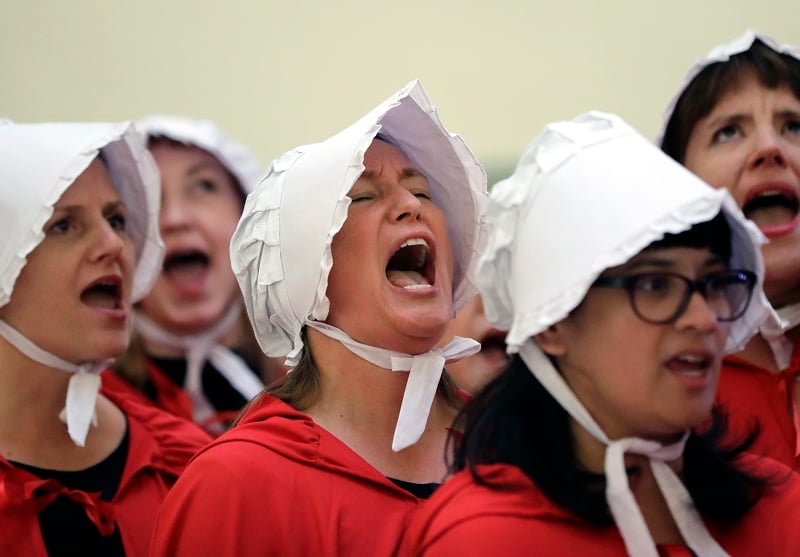
The lawsuit was filed against Waskom, Naples, Joaquin, Tenaha, Rusk, Gary and Wells. They are among municipalities in Texas that in the last year have passed the largely symbolic ordinances. None of the cities — which range in population from around 300 to 5,000 — have abortion clinics.
The lawsuit notes the ordinances concede the cities can’t ban abortion under the current law. The 1973 U.S. Supreme Court decision Roe v. Wade establishes a nationwide right to abortion. But the lawsuit says the ordinances label TEA Fund, the Lilith Fund and other abortion-rights organizations as “criminal organizations” and unconstitutionally ban them from operating in their cities.
Amanda Beatriz Williams, executive director of the Lilith Fund, said the ordinances “are deliberately designed to confuse people.”
TEA Fund and the Lilith Fund provide financial assistance to those who cannot afford an abortion, in addition to doing advocacy work, the lawsuit said.
“A major part of our work is to make sure that Texans know their rights and can find legitimate, fact-based, medically accurate information about getting an abortion,” Williams said.
The lawsuit also says that the wording prohibiting the groups from “operating” within the cities is so vague that it’s unclear what exactly is prohibited.
Kamyon Connor, executive director of TEA Fund, said they work to educate people about the resources available and “these ordinances make it harder for us to do that work in regions where people really need this care.”
Kimberlyn Schwartz, a spokeswoman for the anti-abortion group Texas Right to Life, said they’re confident the ordinances will hold up in court.
“These communities have shown great courage in standing up against the abortion industry,” said Schwartz, adding her group “looks forward to standing alongside these brave cities.”
Anthony King, an attorney for Rusk, said they’re confident the court will find the lawsuit “to be lacking.” He said all people within Rusk “have the same right to express their viewpoints on the issue of abortion.”
Comment was not immediately offered by officials on behalf of the other cities.
__
By JAMIE STENGLE Associated Press
Subscribe to our free newsletters
Our weekly newsletter Closing Arguments offers the latest about ongoing trials, major litigation and rulings in courthouses around the U.S. and the world, while the monthly Under the Lights dishes the legal dirt from Hollywood, sports, Big Tech and the arts.