Search Articles


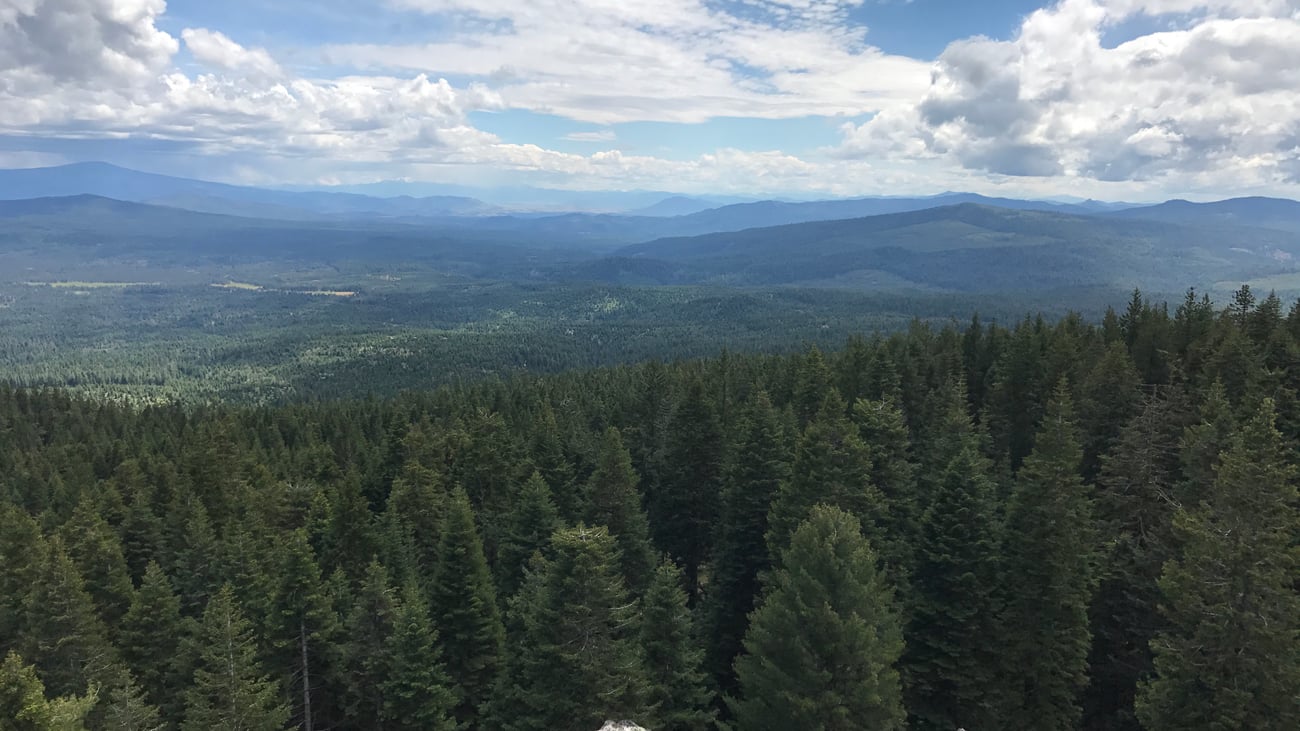
(CN) — The Trump administration’s 2025 repeal of the “Roadless Rule,” which prohibits logging and road construction in U.S. national parks and wilderness areas, could impact drinking water for 25 million Americans, according to a new study.
The results demonstrate that rescinding the Roadless Rule would diminish protections for rivers and could compromise drinking water quality and affordability.
“This is not the first time a presidential administration has tried to rescind the Roadless Rule or significant portions of it,” Aaron Bloom, a senior attorney with Earth Justice’s Biodiversity Defense Program, said Friday. “But each time, the administration has failed to analyze and level with the public about the significant costs that repealing the rule would impose in terms of recreation, drinking water, wildlife habitat and already backlogged road maintenance costs, to name a few.”
The study looked at nearly 2,500 roadless areas across the U.S., examining not only how many Americans depend on these watersheds for safe drinking water but also the significance of the areas for hunting, fishing and aquatic biodiversity.
“In doing so, we could estimate what’s at stake if roadless protections were rolled back,” Julian Olden, University of Washington professor and one of the study’s lead authors, said Friday. “By creating opportunities for new road construction and timber harvesting, rescinding the Roadless Rule may result in degraded water quality, loss of wildlife habitat, and fewer areas for people to enjoy America’s public lands for outdoor recreation.”
Forestry practices, including associated logging roads, can threaten the ability of watersheds to supply clean, reliable water to human communities — impairing water quality through increased sedimentation and carbon transport following timber cultivation and harvesting, as well as pollution from fertilizer runoff.
These roadless area watersheds supply drinking water to at least 25 million Americans. Several states serve more than a third of their populations with water from these areas, according to the study.
Because water flows downstream and is often transferred across basins, reductions in protections could impact communities far beyond the boundaries of national forests. Take the Pisgah National Forest in North Carolina, which provides drinking water to the North Carolina cities of Hendersonville, Asheville, and Charlotte, as well as to more distant ones such as Newport, Tennessee, and Huntsville, Alabama.
Similarly, the protected rivers of the Ashley National Forest in Utah and Wyoming contribute to the water supply of major cities in the Southwest, including Los Angeles, Las Vegas, Salt Lake City and San Diego.
Threats to freshwater biodiversity were also underscored by the study, as forested watersheds play a crucial role in regulating the physical, chemical and biological processes that shape the integrity of river ecosystems.
If the wide range of species that are supported by these habitats become threatened, so do recreational activities such as hunting, fishing and wildlife-watching, as well as many water-based outdoor activities, according to the study.
The repeal could also compromise the many societal, ecological and economic benefits of forested landscapes. After all, the study noted, activities like fishing contributed nearly $400 billion to the U.S. economy through equipment, travel and related expenditures in 2022 alone.
“Safeguarding Roadless Rule protections is therefore essential for sustaining ecosystem services, supporting human well-being, and advancing broader conservation and resilience goals under increasing climatic and land-use pressures,” the study’s authors wrote.
For more than a century, the U.S. has recognized the importance of protecting forested watersheds to safeguard water resources.
In 2001, the U.S. Forest Service’s Roadless Area Conservation Rule established “inventoried roadless areas” across approximately 60 million acres of national forest lands to sustain high-quality soil, water, biodiversity and recreational values by restricting road building and commercial timber harvest.
However, on June 23, 2025, U.S. Secretary of Agriculture Brooke Rollins announced that the Trump administration intended to rescind the rule.
Rollins said the rule hurts jobs and economic development across rural America. She also claims the move will reduce wildfire risk. In fact, data shows that wildfires are four times more likely in areas with roads compared to areas without them.
The rule repeal has not yet gone into effect. It is currently awaiting a draft environmental impact statement from the U.S. Forest Service, which is expected to be released in the coming months.
Because the roadless areas are administratively designated rather than legislatively protected, they remain vulnerable to policy reversals. Still, the Trump administration is facing vigorous legal challenges from conservation groups and advocates.
Leading the legal action is Earth Justice, who has fought to defend the rule since 2001.
“The current effort to rescind the rule has been proposed despite that overwhelming support more than 25 years ago, despite the hundreds of thousands who have spoken up in support of the Roadless Rule in the past year since the proposed rollback was first announced, and despite studies showing that the rollback will not aid in fighting wildland fire,” Bloom told Courthouse News.
 Follow @Megwiththenews
Subscribe to our free newsletters
Our weekly newsletter Closing Arguments offers the latest about ongoing trials, major litigation and rulings in courthouses around the U.S. and the world, while the monthly Under the Lights dishes the legal dirt from Hollywood, sports, Big Tech and the arts.