
 Search Articles


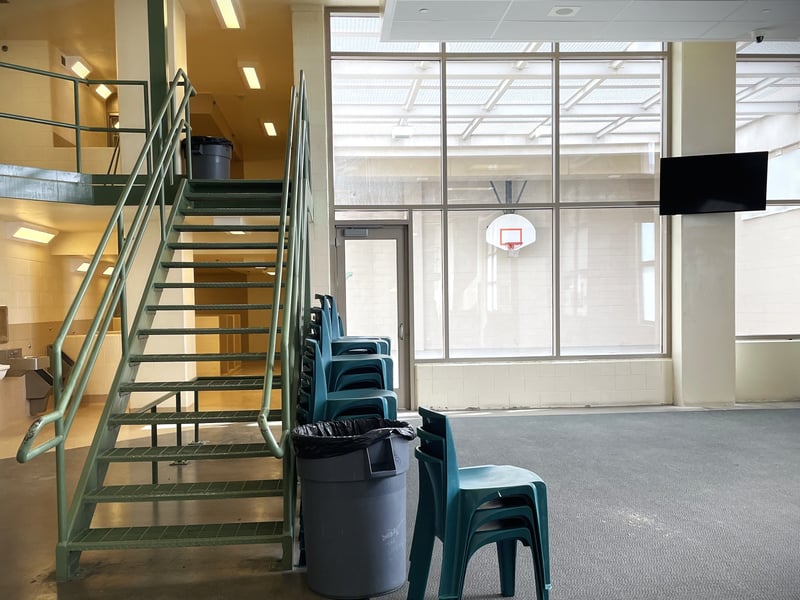
DENVER (CN) — Colorado youths who were not released from juvenile detention after courts deemed them “releasable” pending trial filed a class action Thursday demanding the state institute a better system.
“Juvenile court judges have determined that these children can be released from detention. But defendant Colorado officials instead confine these releasable children in highly restrictive carceral facilities, often for weeks or months on end, in violation of the children’s constitutional and statutory rights,” the plaintiffs say in the 56-page complaint.
From 2024 to 2025, Colorado held 693 youths aged 10 to 17 in juvenile detention after a court had determined they should be released pending trial or further proceedings. Of those, 140 minors were held longer than a month despite being deemed eligible for release and local law supporting their release.
“Under the federal Constitution, and federal and state law, a child should only be placed in detention where there is a legitimate state interest in their detention, and when they have been afforded sufficient procedures to protect against the unnecessary deprivation of their liberty,” the plaintiffs say in the complaint.
In addition to juvenile detention being a secure, isolating environment, the plaintiffs say they are exposed to drugs and violence in facilities. Many also require therapy and care for disabilities that is better provided in the community, the plaintiffs argue.
Seventeen-year-old Isaac N., who faces delinquency charges but has not been convicted, was deemed releasable two months ago. Hoping to resume community treatment for post-traumatic stress disorder and ADHD while participating in normal teen activities, like going to the movies, Isaac N. is leading the class action against Democratic Governor Jared Polis and Department of Human Services director Michelle Barnes.
“Colorado is incarcerating releasable children, when what they need is services and care,” said the minors’ lead attorney, Stephanie Persson, in a statement. Persson practices at the nonprofit Children’s Rights in New York.
Twelve-year-old Tony S., who has autism spectrum disorder and cognitive impairment, remains incarcerated six months after being deemed eligible for release because the Colorado Department of Human Services failed to find foster placement for him.
Attending court in handcuffs stresses out Tony S., who enjoys playing Clue and listening to country music.
The plaintiffs acknowledges part of the delay is due to the government’s struggle to find foster placement for them. Facing a lack of readily available homes in which to release them, they ask the court to order the government to change the current system and develop the services needed to make their dream of release a reality.
“Jails and handcuffs are not acceptable substitutes for foster homes and therapeutic care,” said Emma Mclean-Riggs, senior staff attorney at the ACLU of Colorado in a statement.
A representative for the attorney general’s office declined to comment on active litigation. A spokesperson for the governor did not immediately respond to a request for comment.
The case has been assigned to U.S. Magistrate Judge Cyrus Y. Chung.
 Follow @bright_lamp
Subscribe to our free newsletters
Our weekly newsletter Closing Arguments offers the latest about ongoing trials, major litigation and rulings in courthouses around the U.S. and the world, while the monthly Under the Lights dishes the legal dirt from Hollywood, sports, Big Tech and the arts.