
 Search Articles


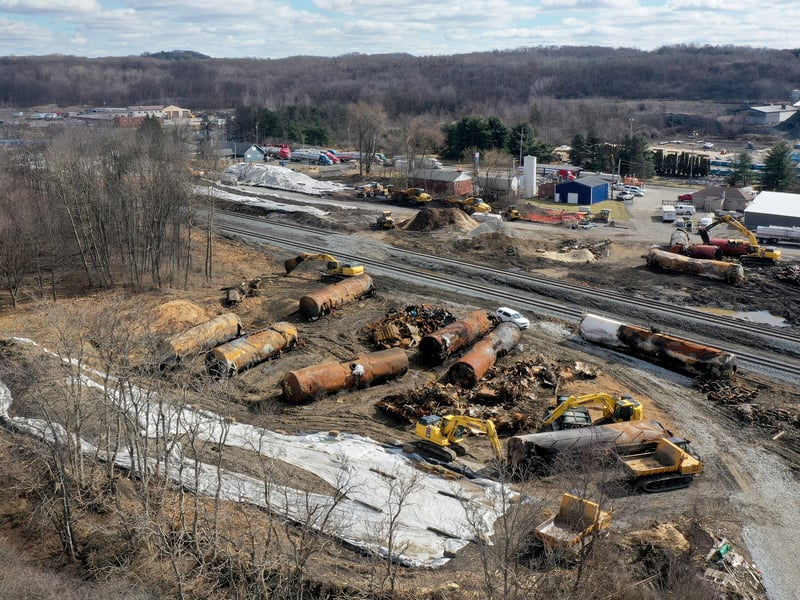
WASHINGTON (CN) — Nearly four months after a train carrying hazardous materials derailed in Ohio, federal officials are proposing a requirement for railroads to maintain real-time updates about hazmat shipments that can be accessed by first responders.
The U.S. Department of Transportation’s Pipeline and Hazardous Materials Safety Administration announced the proposed regulation on Wednesday, hoping to prevent environmental impacts from crashes and improve public safety.
“When railroads transport hazardous materials, they must do so safely and responsibly,” Transportation Secretary Pete Buttigieg said in a press release. “Our proposal would improve rail safety and help protect communities across the country by requiring railroads to maintain detailed, real-time information about trains carrying hazardous materials.”
The regulation would require railroads to proactively provide information about hazardous materials to local first responders as soon as it is aware of any accident. The real-time information would include the quantity and position of shipments, details on origin and destination and a designated emergency contact.
“On-demand access to key information about hazmat shipments coupled with proactive information sharing will enable first responders to better prepare for the risks present at the scene of an incident before they arrive on scene,” PHMSA Deputy Administrator Tristan Brown said in the release. “This will improve safety for firefighters and first responders, and the communities they so courageously serve.”
Federal officials have been in the hot seat since a Norfolk Southern train carrying hazardous materials derailed in February in East Palestine, Ohio. Railcars burned for several days and emergency crews conducted controlled burns requiring residents within a one-mile radius to evacuate.
Some of the materials on the train included vinyl chloride, ethylene glycol, ethylhexyl acrylate, butyl acrylate and isobutylene.
Despite its cargo, the train wasn’t carrying enough weight to reach the federal threshold to be called a “high hazardous-material train,” which meant rail companies didn’t have to report what materials were in transport. This meant local first responders did not know what chemicals they were encountering when the train derailed and caught fire.
Edward Kelly, president of the International Association of Fire Fighters, said the new regulation would allow “safer responses.”
“Accurate, up-to-date information about train contents is critical to keep first responders and the communities they serve safe,” he said in a press release.
The full impact of the derailment on the environment remains uncertain as the Environmental Protection Agency and Norfolk Southern are conducting air and water quality monitoring in the surrounding community.
The Department of Transportation will seek public comment once the proposal is published in the Federal Register.
 Follow @TheNolanStout
Subscribe to our free newsletters
Our weekly newsletter Closing Arguments offers the latest about ongoing trials, major litigation and rulings in courthouses around the U.S. and the world, while the monthly Under the Lights dishes the legal dirt from Hollywood, sports, Big Tech and the arts.