Search Articles


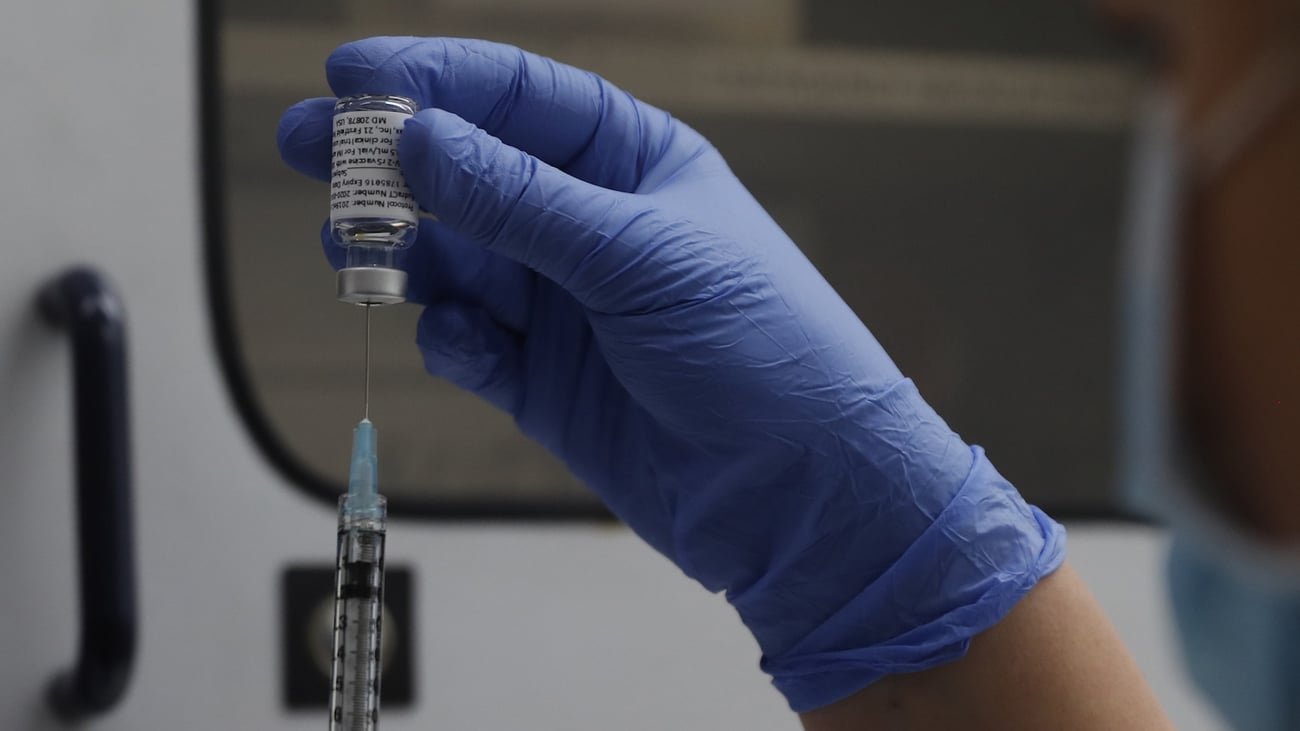
(CN) — Billions of euros, pandemic vaccine deals and years of secrecy collided again Thursday, as a top adviser to Europe’s highest court said the public should get a closer look at records tied to the European Union’s Covid-19 vaccine contracts.
Former European Parliament member Margrete Auken and a separate group led by French activist Fabien Courtois have spent years trying to open up the EU’s vaccine files, seeking fuller access to contracts, information about the officials who negotiated them and declarations showing whether those negotiators had conflicts of interest.
A lower EU court ruled in 2024 that the European Commission had failed to justify keeping some of that material hidden. The commission appealed, bringing the transparency fight before Europe’s highest court.
On Thursday, Advocate General Athanasios Rantos recommended that the Court of Justice of the European Union largely reject the commission’s appeals, leaving key parts of the lower court’s ruling intact.
The commission, the EU’s main executive body, has maintained that wider disclosure could harm pharmaceutical companies’ commercial interests and expose members of the vaccine negotiating team to privacy risks. Rantos was unconvinced by several of those arguments.
One of the commission’s main positions is that oversight bodies, not ordinary citizens, should be responsible for examining potential conflicts of interest among vaccine negotiators. Rantos disagreed, saying there can be a legitimate public-interest reason for seeking information about the officials involved in the talks.
“By definition, such anonymized versions do not make it possible to carry out an external verification to check the accuracy and/or completeness of the information contained therein,” Rantos wrote.
As Covid-19 swept across Europe in 2020, the European Commission became the bloc’s vaccine buyer, striking advance purchase agreements with Pfizer-BioNTech, Moderna, AstraZeneca and Johnson & Johnson and committing billions of euros in public funds to secure early access to doses for member states.
Lawmakers, journalists and activists soon began pressing for access to the contracts and related records, arguing that agreements financed with taxpayer money should not remain largely hidden from public view. Attention later expanded to communications linked to the negotiations, including text messages exchanged between Commission President Ursula von der Leyen and Pfizer Chief Executive Albert Bourla.
A partial victory for transparency campaigners came in 2024, when the General Court ordered broader access to certain documents after finding the commission had not adequately justified some of its redactions.
Rantos largely agreed: “The actual verification of the impartiality of commission officials can be carried out by both the competent authorities and by the general public,” he wrote. He also rejected key arguments for keeping certain indemnification clauses confidential.
The commission said it “take[s] note of the opinions of Advocate General Athanasios Rantos and will study them carefully.” It stressed that the opinion is not binding and said it would await the court’s judgment.
Access Info Europe, a transparency advocacy group that has long campaigned for broader public access to EU documents, welcomed the opinion. The organization said the recommendation reinforces “the importance of transparency and the specific public interest in access to documents in the context of the purchase of Covid-19 vaccines,” even where concerns about data protection and commercial interests are raised.
Representatives for Auken, Courtois and the other applicants did not respond to requests for comment.
Judges will now deliberate before issuing a final ruling in the coming months. That decision cannot be appealed and will determine whether additional parts of the EU’s pandemic-era vaccine records must be made public.
Courthouse News reporter Eunseo Hong is based in the Netherlands.
Subscribe to our free newsletters
Our weekly newsletter Closing Arguments offers the latest about ongoing trials, major litigation and rulings in courthouses around the U.S. and the world, while the monthly Under the Lights dishes the legal dirt from Hollywood, sports, Big Tech and the arts.