
 Search Articles


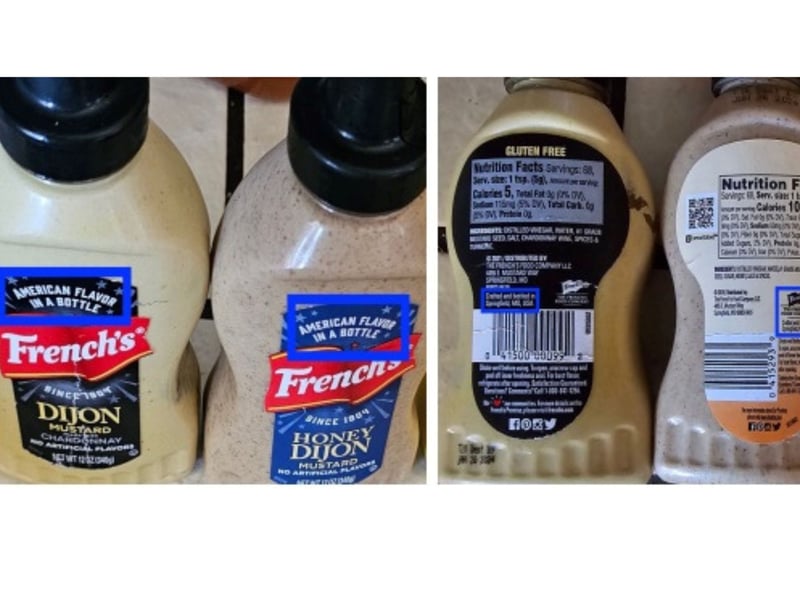
Quick question: Why would something called French’s Dijon Mustard have no connection to France?
If you’re a true patriot, do you buy that mustard even if the label claims all the ingredients come from the U.S.? It doesn’t seem right.
Why would you label your mustard as “American Flavor in a Bottle” and then call it French’s Dijon? Does this make any sense? Should I care?
I certainly don’t care. Mustard jingoism isn’t my thing, but it does exist. Hence, a federal lawsuit in California on behalf of a plaintiff living in Manteca, who “purchased three varieties of defendant’s French’s brand products, namely Dijon Mustard Made with Chardonnay, Honey Dijon and Yellow Mustard” and then filed a class action because they contained “foreign-made components.”
We need to pause here to consider an ethical issue. Clearly, the plaintiff here is someone with a serious mustard addiction. One mustard will not do — he requires three and they must be purely American.
If you represent this person, do you file the litigation he wants or do you get the client the help he clearly needs? What’s your duty here? Should the client be introduced to ketchup?
I don’t have answers to these questions. I’m only asking.
According to the lawsuit, “as a result of the unqualified ‘Made in USA’ representation on defendant’s product packaging, consumers have been misled for years, resulting in initial and repeat purchase of products they thought were indeed made in the United States with ingredients and components from the United States.”
Years of deception!! And, what’s worse, it turns out that primary ingredients come from our arch-enemy — Canada!
I know this is important to some people. They don’t deserve to be misled.
For now, though, a federal magistrate has dismissed the case with leave to amend because the plaintiff hasn’t yet properly claimed that the foreign mustard seed and turmeric make up more than 10% of the products (a California exception to the purity claim law).
Stay tuned. This could get spicy.
Does size matter? In other consumer labeling expectation news, a federal judge in California was either really bored or had an extra cocktail for lunch before coming up with this opening paragraph in a recent ruling:
“The court finds itself in familiar waters. Beneath the surface, however, are defendant Crocs, Inc.’s new arguments that challenge plaintiff’s allegations. Some of these arguments have bite. Plaintiffs must amend the murky allegations.”
I’ll allow it. I’m in favor of fun, but I do have questions. Are the waters really familiar if the arguments are new? Is the court being bitten? Does that hurt? Shouldn’t someone be held in contempt for biting the judge?
And wouldn’t all this have made more sense if this case was about Crocs getting wet?
Instead, it’s just the opposite. It’s about Crocs getting too much sun. It seems that Crocs — casual lightweight footwear with holes in them — can shrink if they get hot. So the plaintiffs filed a class action saying Crocs should have let people know about shrinkage.
The litigation will continue to decide a fascinating issue: whether a “reasonable consumer” would expect that shoes would remain the same size.
Stay tuned.
Subscribe to our free newsletters
Our weekly newsletter Closing Arguments offers the latest about ongoing trials, major litigation and rulings in courthouses around the U.S. and the world, while the monthly Under the Lights dishes the legal dirt from Hollywood, sports, Big Tech and the arts.