
 Search Articles


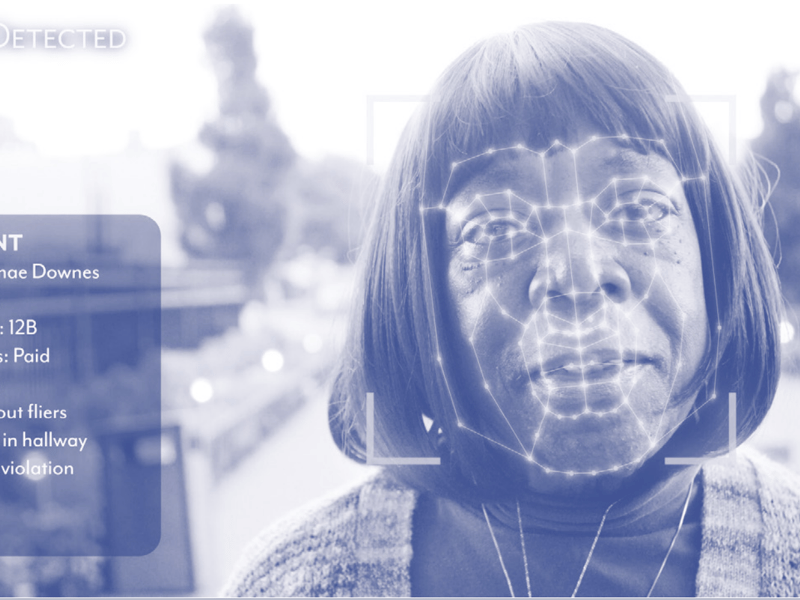
DENVER (CN) — Photobucket users filed a federal class action against the image cloud company on Wednesday to prevent the sale of their pictures to biometric and generative AI companies — technologies that were the stuff of science fiction when many first signed up for accounts more than a decade ago.
Chicago artist Mac Pierce leads the lawsuit alongside three other named plaintiffs and a class of millions of Photobucket users, as well as people appearing in photos uploaded to the website who never opened accounts and have no way to opt out of their images being licensed.
In the complaint, Pierce opposes Photobucket’s plan to sell content to third parties “who can use them to create biometric facial recognition databases.” Pierce also worries his content will be used to create deepfakes, or artificial intelligence-generated images that resemble real people.
Incorporated in Denver in 2003, Photobucket attracted millions of users who uploaded roughly 13 billion photos over two decades. Before sites like Twitter and MySpace could directly carry image uploads, users often uploaded pictures first to Photobucket and then shared links on social media. Photobucket first generated revenue from advertisements and then adopted user fees.
“When it encouraged customers to upload their photos, Photobucket never gave them notice that it might one day appropriate them for biometric data or machine learning,” Pierce said in the 47-page lawsuit. “Rather, Photobucket told users that it was a cloud storage service for customers who wished to view their photos online, and it repeatedly promised users to respect their rights to their data and intellectual property and to be a responsible steward of the photographs entrusted to it.”
With the website rendered into a digital ghost town populated by dormant accounts, Pierce contends the company is looking to “profit from the boom in artificial intelligence and its voracious need for photographs to train its algorithms.”
In an effort to obtain permission, Photobucket sent users “coercive emails” prompting them to log into their account and agree to the company’s updated terms of service allowing for the licensing of content. According to the plaintiffs, Photobucket accepts nonresponses as consent.
“Photobucket’s strongarm tactics, however, are illegal," Pierce says in the lawsuit. “In addition to Photobucket’s improper threats to breach its prior promises to safeguard the photos, its ‘negative option’ consent tactics violate the provisions of its prior user agreements for changing the terms of service.”
The plaintiffs say Photobucket’s new terms not only turn earlier promises on their heads, but that the tactics amount to non-consensual use of biometric data banned under the Digital Millennium Copyright Act, as well as state laws.
The complaint does not name any companies to which Photobucket has or intends to license content. Emails cited by the plaintiffs in the lawsuit, however, informed Pierce that his photos “may have already been sold to unknown third parties for artificial intelligence and machine learning training.”
Plaintiffs’ attorney Mike Kanovitz told Courthouse News in a phone interview that many people are uneasy about their data being used to train artificial intelligence programs or generate new images without their input.
“People don’t have a good understanding of how their personal data becomes raw material for these AI algorithms,” said Kanovitz, who practices with the firm Loevy & Loevy in Chicago. “What they sense is that bad things can come of it and they wish they had more control over their privacy. But big tech is not giving them the say so they deserve.”
In addition to asking the court to block Photobucket’s content licensing scheme, the plaintiffs are asking for damages of up to $5,000 per intentional violation of their rights.
Representatives from Photobucket did not immediately respond to an inquiry for comment.
 Follow @bright_lamp
Subscribe to our free newsletters
Our weekly newsletter Closing Arguments offers the latest about ongoing trials, major litigation and rulings in courthouses around the U.S. and the world, while the monthly Under the Lights dishes the legal dirt from Hollywood, sports, Big Tech and the arts.