Search Articles


(CN) — Cash-strapped and war-battered Ukraine was poised Wednesday to finally receive a $105 billion loan from the European Union following the election defeat of Hungarian Prime Minister Viktor Orbán and Ukraine’s subsequent reopening of a Russian oil pipeline.
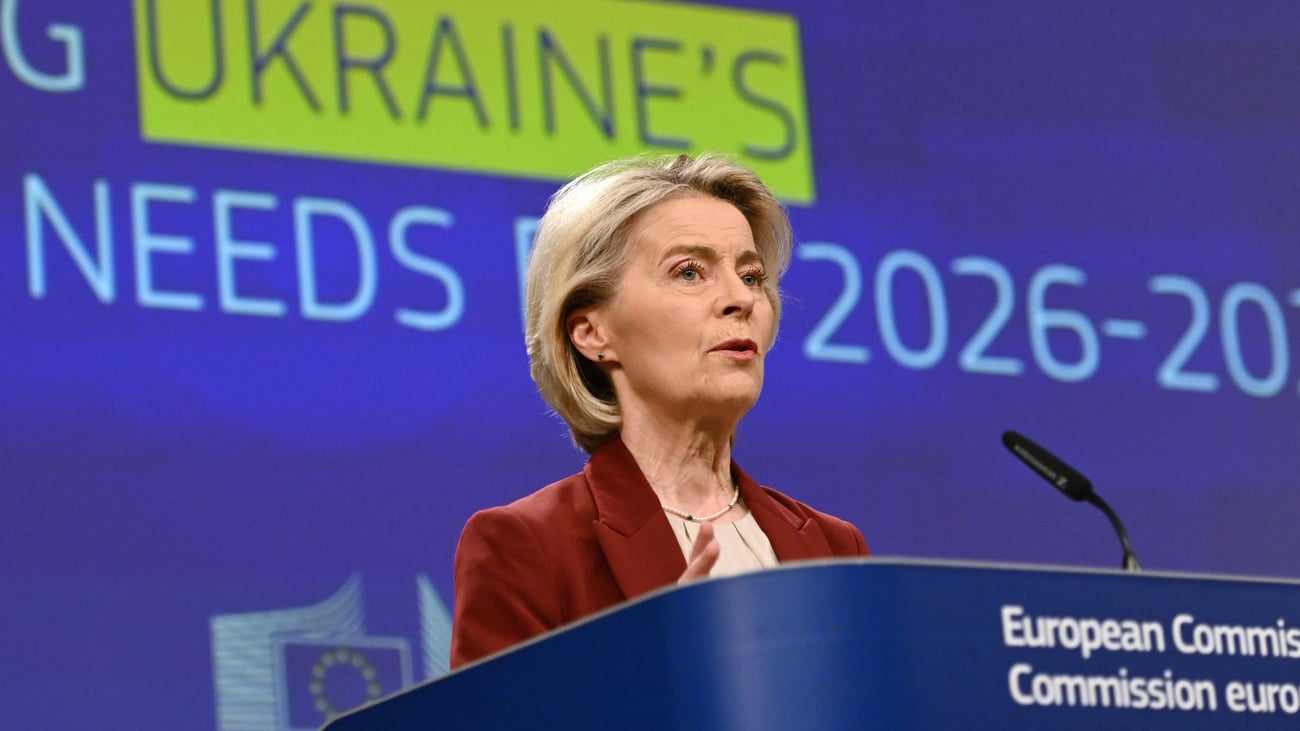
On Wednesday, ahead of a summit of the EU’s national leaders in Cyprus, the bloc’s 27 member states said they had unlocked the loan, a critical lifeline for Kyiv’s war needs, especially since U.S. President Donald Trump began withdrawing American support for Ukraine.
EU leaders were expected to sign off on the loan Thursday amid talks on how to deal with an intensifying energy crisis hitting Europe due to the war in the Middle East and closing of the Strait of Hormuz.
The two-year, 90-billion-euro loan is critical for Ukraine after more than four years of war. Kyiv is heavily indebted and managing to carry on financially thanks to debt relief from its major creditors, who have deferred loan payments.
The loan had been held up since December after it became embroiled in the fierce political battle surrounding Orbán’s bid to win reelection and extend his 16-year grip on power.
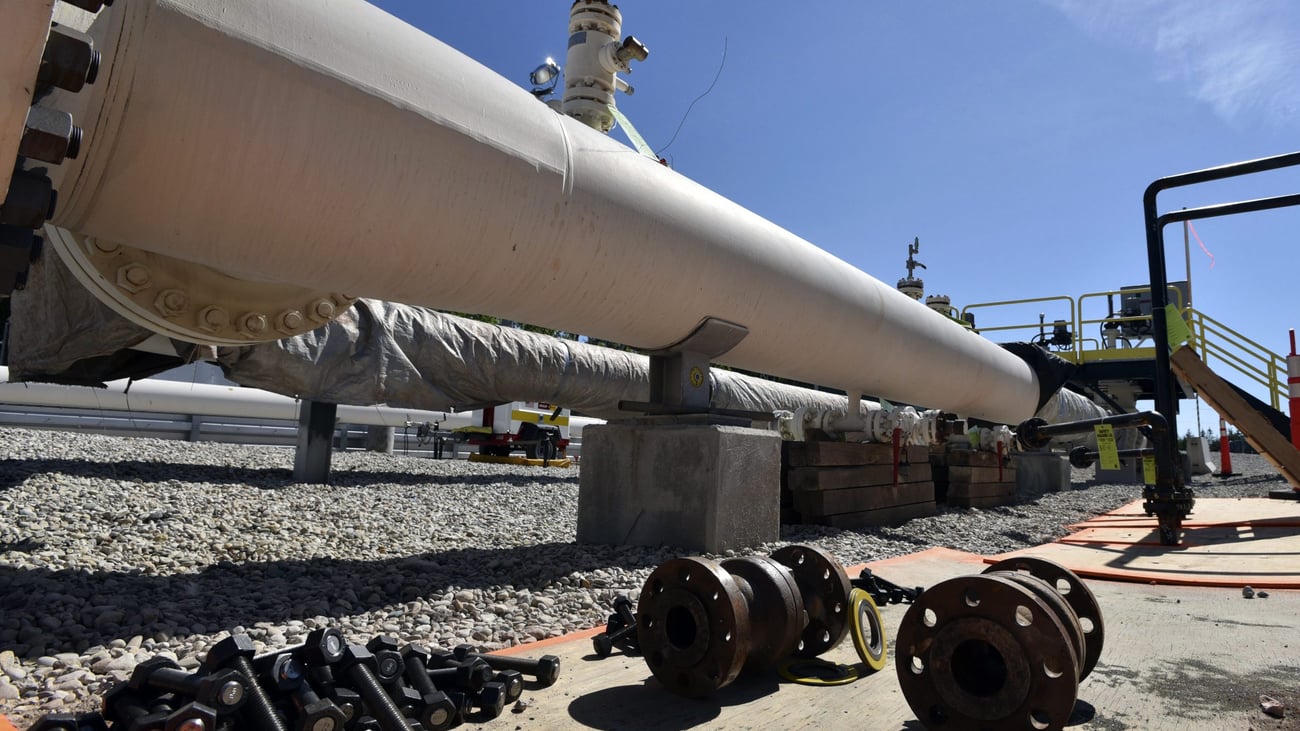
On Jan. 27, Ukraine announced it was forced to close off oil flows to Hungary and Slovakia because a Russian drone had damaged the Druzhba pipeline, a Soviet-era pipeline owned by Russia that crosses Ukraine.
Orbán and Slovak Prime Minister Robert Fico, both Moscow allies and critics of Ukrainian President Volodymyr Zelenskyy, cried foul, accusing Ukraine of deliberately shutting off the pipeline to damage Orbán’s reelection chances.
In retaliation, Orbán slapped a veto on the Ukraine loan in February, saying he would only lift his veto once Kyiv restored oil flows. But Ukraine insisted the damage to the pipeline was so extensive it could not be fixed quickly.
However, everything changed after Orbán was resoundingly defeated April 12 by political upstart Péter Magyar.
Last week, Kyiv announced the pipeline was nearly ready to be reopened and oil began flowing again Wednesday. With Hungary’s consent, the loan package then moved ahead.

But the Druzhba pipeline quickly became the source of yet more friction Wednesday when Russia said it planned to redirect oil exports from Kazakhstan to Germany that go through the pipeline, beginning May 1.
Russia cited “technical capacities” for the move, but Moscow likely sought to hurt Germany, a staunch supporter of Ukraine, with the shutoff.
The cutoff threatened a major refinery that supplies most of the diesel, petrol, kerosene and heating oil for the city of Berlin. The PCK refinery in Schwedt was previously run by Rosneft, a Russian oil giant, until the German government seized the facility following Moscow’s invasion of Ukraine in February 2022.
The refinery gets about 25% of its oil from Kazakhstan. German officials said Moscow’s move would not endanger the country’s energy supplies, but they acknowledged the PCK refinery would have to scale back its refining.
Courthouse News reporter Cain Burdeau is based in the European Union.
 Follow @cainburdeau
Subscribe to our free newsletters
Our weekly newsletter Closing Arguments offers the latest about ongoing trials, major litigation and rulings in courthouses around the U.S. and the world, while the monthly Under the Lights dishes the legal dirt from Hollywood, sports, Big Tech and the arts.