Search Articles


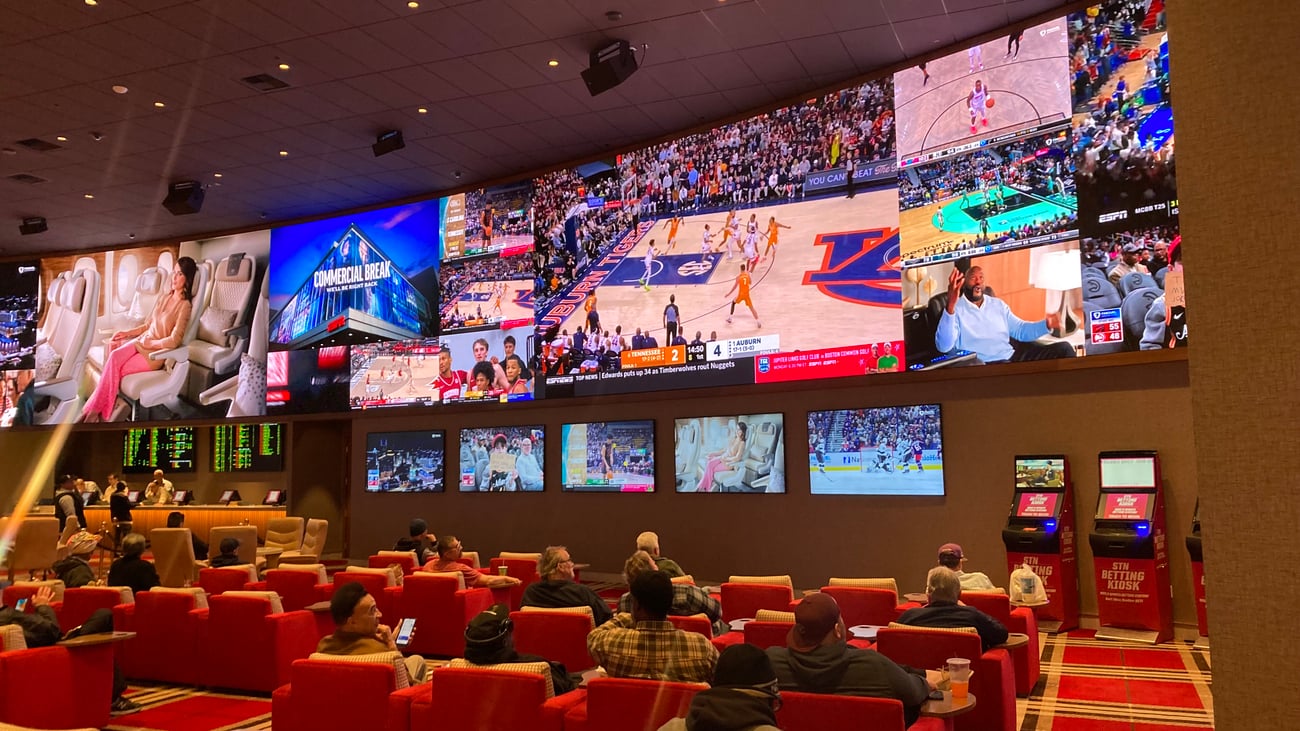
SAN FRANCISCO (CN) — A Ninth Circuit judge on Thursday appeared incredulous over how attorneys for online exchanges defined “gambling,” at times reading from federal regulations when questioning how they could enable sports betting.
The arguments before a three-judge panel focused on three related appeals that hinge on whether the exchanges infringe on Nevada’s ability to regulate sports betting.
North American Derivatives Exchange, KalshiEX and Robinhood Derivatives say their sports event contracts fall under the exclusive jurisdiction of the Commodity Futures Trading Commission and that Nevada has no regulatory power. Nevada argued they’re intruding on state sovereignty, pushing back on the exchanges’ differentiation between sports betting and casino gambling.
The three companies appealed after Nevada sent them cease-and-desist letters and a lower court ruled against them. The appeals panel made no decision Thursday.
Representing North American Derivatives Exchange, attorney Shay Dvoretzky said betting in a casino differs from a sports event contract. A casino has a “house” that players bet against. His client operates on an exchange market that facilitates people making contracts with each other.
“This is sophistry to the nth degree,” said U.S. Circuit Judge Ryan Nelson, a Donald Trump appointee. “I don’t understand how you say these are different.”
At times, Nelson read directly from a federal regulation prohibiting entities like Dvoretzky’s from offering contracts involving terrorism, assassination, war or gaming. The judge questioned how betting on who wins the Super Bowl didn’t relate to gaming.
Dvoretzky argued the contracts offered by exchanges, also called swaps, aren’t gaming, which means they don’t fall under those federal regulations. Gaming refers to casino games like roulette, not a sports game.
That means the trading commission has authority over exchanges, not Nevada, he argued.
An attorney for the trading commission echoed the arguments. Attorney Jordan Minot said the regulation states “gaming,” as in gambling, not “game,” like a sports game.
Representing KalshiEX, attorney William Havemann made similar arguments. Like the North American Derivatives Exchange, KalshiEX also received a cease-and-desist letter from Nevada, despite his client having the right to list contracts on its exchange.
The same regulation forbidding contracts on certain topics also gives the trading commission authority to impose a 90-day review period and potentially approve them. In enacting federal law, Congress didn’t want 50 different rules for each state governing contracts. That’s why it gave the commission nationwide authority, Havemann said.
Mirroring Dvoretzky’s arguments, Havemann said the structure of a sports event contract is different than a casino bet. His client brings buyers and sellers together whose trades are affected by market forces.
“You’re basically saying, if it’s not a [designated contracts market], we’re good,” Nelson said. “But it’s the same action in many instances.
“This is quintessentially what states have been regulating,” he added.
Attorney Antony Ryan, representing Robinhood Derivatives, pointed to the 90-day review period in the regulations. He said approval is deemed granted after that time, unless the commission says otherwise.
However, Nelson said he saw nothing in the regulations about self-certification.
Arguing for Nevada, attorney Nicole Saharsky attacked the exchanges’ definitions of gambling. She said they argue no “house” exists in their contracts. Except in some cases, market makers become involved in contracts, and they serve as the house.
Also, not all gambling requires a house, like a lottery, she added.
Saharsky also argued the contracts intrude on state sovereignty. Nevada has made unique choices about gaming, while Utah has taken a different route. Allowing the trading commission jurisdiction over sports event contracts would enable sports betting nationwide.
“This is a huge problem,” she added.
U.S. Circuit Judges Bridget Bade and Kenneth Lee, also Trump appointees, rounded out the panel.
Subscribe to our free newsletters
Our weekly newsletter Closing Arguments offers the latest about ongoing trials, major litigation and rulings in courthouses around the U.S. and the world, while the monthly Under the Lights dishes the legal dirt from Hollywood, sports, Big Tech and the arts.
Additional Reads

 1st Circuit reverses pistol-whipping cop’s conviction April 16, 2026