
 Search Articles


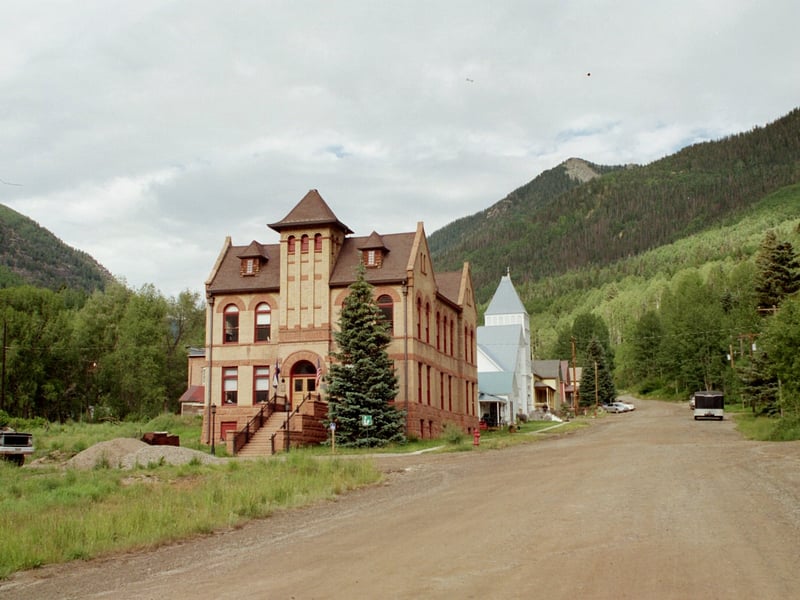
DENVER (CN) — An oil company that purchased century-old mines in Rico, Colorado, asked the 10th Circuit on Wednesday to revive claims against a previous owner seeking contributions to a $63.7 million environmental cleanup bill.
“There are two avenues for contribution: you can settle or be sued,” attorney Theresa Benz argued on behalf of Atlantic Richfield Company. The petroleum corporation sued NL Industries in 2020.
The storied history of silver mining outside Rico, Colorado, began in 1869 at the Pigeon, Mountain Springs and Wellington mines. Atlantic Richfield Company took over the mines from Rico Argentine Mining Company, which began extracting resources in the early 1900s. From 1930 to 1941, NL Industries’ predecessor, the St. Louis Smelting and Refining co., mined the area and built a 6,000-foot-long tunnel to drain acid into the Dolores River.
Beginning in 1943, first Rico Argentine, then Atlantic Richfield Company, ran the site. After mining ceased in 1971, the company built cyanide leach heaps and operated a sulfuric acid plant that in 1974 discharged thousands of gallons of cyanide into the river, killing an estimated 30,000 fish downstream.
In 1983, Atlantic Richfield began cleaning the site. It built a water treatment plan in 1984 and then abandoned the remedy four years later. The company first sent NL demand letters in 1995 asking it to share in the cleanup costs.
Five years later, the Environmental Protection Agency engaged in an emergency site cleanup, and in 2011 the agency ordered Atlantic Richfield to complete site restoration. Over 10 years, the oil company spent $63.7 million on environmental restoration. In 2021, it settled its liability with the EPA and agreed to pay $400,000 for agency oversight costs.
Atlantic Richfield finally sued NL Industries on Jan. 28, 2020, seeking to recoup costs under the Comprehensive Environmental Response Compensation and Liability Act of 1980.
NL countered that the statute of limitations had long run out to file a claim under the act. The suit was filed 37 years after Atlantic Richfield first started cleaning the site, 25 years after the first demand letter arrived, 20 years after the EPA’s emergency removal action and nine years after the EPA’s restoration order.
Largely relying on the 1997 findings of Sun Co. v. Browning-Ferris Inc ., Joe Biden-appointed U.S. District Judge Nina Wang found Atlantic Richfield’s $63.7 million bill missed the deadline to file a claim under the environmental response compensation act, but maintained a second claim asking NL to contribute to the EPA’s $400,000 tab.
Atlantic Richfield appealed, arguing it was time to put Sun Co. to bed in light of the Supreme Court’s more recent guidance in the 2019 case Cooper Industries v. Spectrum Brands Inc. and 2006’s Atlantic Research v. U.S.
“If this court saw Sun Co. today, it would see this court couldn’t apply the statute of limitations trigger for a company that hadn’t settled or been sued for its liability,” Benz argued.
U.S. Circuit Judge Robert Bacharach asked Benz to distinguish between contribution claims and cost recovery claims.
“Can the settlement retroactively and magically transform those expenses from contribution to cost recovery claims?” Bacharach asked.
Benz, who practices with the Denver firm Davis Graham, explained that Atlantic Richfield could not pursue a cost recovery claim after settling liability with the government.
“That’s the tradeoff. By settling this liability, we lost our cost recovery claims, whereas now we can only seek equitable contribution,” Benz said.
On behalf of NL Industries, attorney Joel Herz of Tucson argued that Sun Co. held and Atlantic Richfield had long missed its opportunity to sue his client. “It is undisputed that NL’s alleged successor had nothing to do with that site since 1944,” he said.
The statute of limitations, he argued, was added to the Comprehensive Environmental Response Compensation and Liability Act in 1984 to urge parties to resolve these issues as quickly as possible.
“It’s been more than 25 years after they told us they were going to sue us,” Herz said. “The purpose of the statute of limitations is to bring the parties to the table quickly.”
Chief U.S. Circuit Judge Jerome Holmes, appointed by George W. Bush, and Senior U.S. Circuit Judge David Ebel, a Ronald Reagan appointee, rounded out the panel, each sporting a yellow bowtie. The court did not indicate when or how it would decide the case.
Outside Courtroom I at the Byron White U.S. Courthouse in Denver, Herz praised the panel for being well prepared. Benz declined to discuss the hearing with Courthouse News.
 Follow @bright_lamp
Subscribe to our free newsletters
Our weekly newsletter Closing Arguments offers the latest about ongoing trials, major litigation and rulings in courthouses around the U.S. and the world, while the monthly Under the Lights dishes the legal dirt from Hollywood, sports, Big Tech and the arts.