
 Search Articles


(CN) — High school athletes in Ohio can temporarily profit from their name, image and likeness for the first time thanks to a lawsuit by a star wide receiver and his mother.
Ohio was one of just six states that still prohibits high school athletes from profiting off of their publicity rights after the NCAA rule change in 2021 allowing college athletes to be paid for their name, image and likeness, or NIL.
Jasmine Brown filed a lawsuit earlier this month on behalf of her son in Ohio’s Franklin County Court of Common Pleas, claiming that the state’s NIL prohibition violates his First Amendment and equal protection rights.
That case has already forced the Ohio High School Athletic Association into announcing an emergency referendum vote on the issue, but not before Brown won a temporary restraining order blocking the state’s ban and opening the NIL market to high school athletes in Ohio.
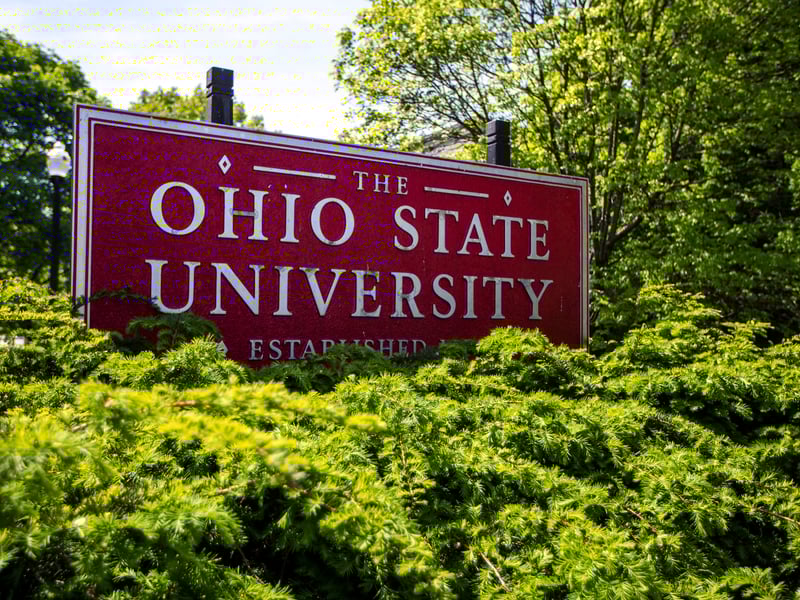
At the center of the lawsuit is Jamier Brown, a top-ranked football recruit in the class of 2027. Currently a junior at Wayne High School, the star wide receiver has already verbally committed to Ohio State University.
With a temporary restraining order in place, he and other high school athletes across the state are able to immediately begin profiting from their NIL.
“The Browns are extremely excited for the opportunity for Jamier to be able to engage in name, image and likeness contracts,” attorney Luke Fedlam told Courthouse News. “They are also excited to be catalysts to help empower high school athletes across Ohio.”
Jamier Brown plans to hit the ground running, according to Fedlam, starting with a contract for the licensing and promotion of trading cards. Fedlam declined to give specifics but told Courthouse News that Jamier Brown will revisit some of the other offers that he had to turn down before the injunction, representing over $100,000 in potential revenue.
Judge Jaiza Page awarded the 45-day temporary injunction on Monday following oral arguments from the parties, in which Fedlam argued that Jamier Brown was suffering irreparable harm linked to monetary losses, career development, brand reputation, public exposure and constitutional rights.
The athletic association’s NIL ban is a blanket prohibition on the First Amendment expression of student athletes, according to Jasmine Brown. She also argued in the original complaint that the ban treats high school athletes in Ohio differently than college athletes in Ohio and their non-athlete counterparts, in violation of the equal protection clause that outlaws discrimination.
Jasmine Brown further claimed that the NIL ban violates state antitrust law by restraining student athletes from participating in the “lawful market for NIL opportunities.”
“By foreclosing this market, OHSAA suppresses competition, eliminates opportunities for athletes and restrains the ability of businesses and marketing agencies to contract with willing student athletes,” Jasmine Brown said.
Page ruled that the facts weighed in favor of the Browns, pausing the ban until a hearing can be held in December on the merits of an extended injunction before a potential trial in October 2026.
OHSAA executive director Doug Ute said in a statement on Tuesday that the board of directors approved the language of an NIL bylaw in September to vote on in May 2026. The vote will be moved up to take place sometime before the injunction hearing this winter. The proposed bylaw would establish reporting procedures and limitations in addition to what the NCAA already requires, Ute said.
If the proposal is approved, it would allow member schools to shape the NIL bylaw. If the referendum is shot down — and it was already once in 2022, by a 2 to 1 margin — the future of publicity rights for high school athletes in Ohio will be up to the court.
 Follow @desdev5
Subscribe to our free newsletters
Our weekly newsletter Closing Arguments offers the latest about ongoing trials, major litigation and rulings in courthouses around the U.S. and the world, while the monthly Under the Lights dishes the legal dirt from Hollywood, sports, Big Tech and the arts.