
 Search Articles


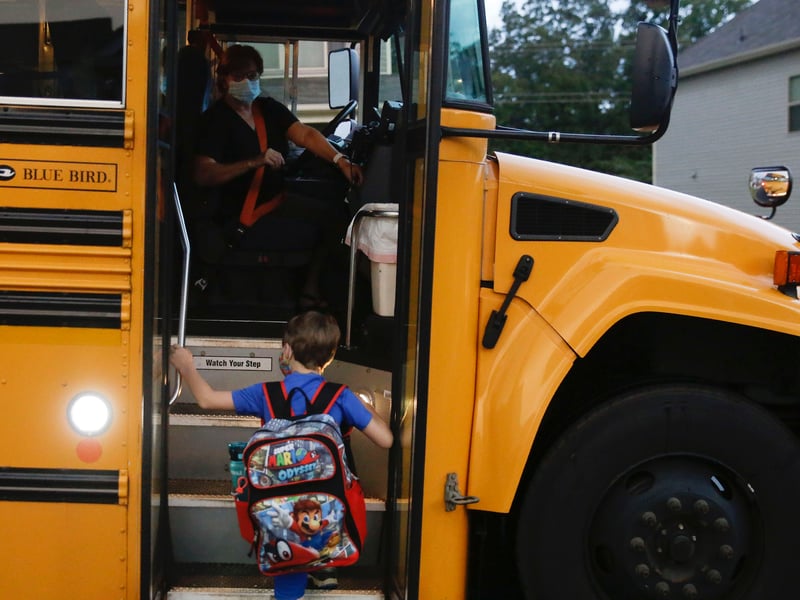
MANHATTAN (CN) — New York City’s controversial congestion pricing program has boosted students’ time spent in school by roughly 30 minutes per week thanks to quicker bus service, a student transit company claims in a new court filing.
NYC School Bus Umbrella Services (NYCSBUS) is a nonprofit company that serves nearly 10,000 New York City schoolchildren with its fleet of 900 school buses — approximately 10% of the city’s total number of school buses.
NYCSBUS filed a legal brief Wednesday in support of the congestion pricing program, which is under siege by the Trump administration’s Department of Transportation. The first-in-the-nation toll is slated to bring $1 billion per year to the Metropolitan Transportation Authority and reduce overall traffic congestion by charging passenger vehicles a $9 daily toll to enter the “Central Business District” — Manhattan below 60th Street.
Buses have been running faster since the congestion pricing toll began in early 2025, NYCSBUS noted. The effects could have a big impact in the classroom, with NYCSBUS boasting that some Manhattan students are now spending an average of about 30 minutes more per week in school.
“Indeed, since the program was implemented, students who ride NYCSBUS buses to schools in the [Central Business District] have gained, on average, approximately half an hour of additional time at school per week that otherwise would have been spent idling in traffic on a school bus,” the company claims in the 17-page amicus brief.
U.S. Transportation Secretary Sean Duffy has likened the toll to “class warfare” and vowed to force New York to ax it back in February. State leaders and transportation officials quickly sued in response, and have pledged to keep the program running unless a court orders it be stopped.
Despite the administration’s disdain for the program, its results have been promising thus far. It’s gaining support statewide, with many New Yorkers noticing faster work commutes and less traffic congestion in downtown Manhattan.
“So far, congestion pricing has been doing better than we had hoped,” environmental lawyer Michael Gerrard told Courthouse News last month. “It’s reducing congestion, it’s speeding up buses, it’s generating revenue.”
Now, NYCSBUS claims that the results have been positive for its school buses, too. The group’s Wednesday amicus brief is part of New York’s lawsuit against the Trump administration to keep the toll alive.
Their bus speeds have increased roughly 5% from last year, the group claims in the filing.
“Across a bus fleet of 900 vehicles that operates over 700 routes every weekday, even a single-digit percentage increase in bus speeds within the CBD as a whole has significant benefits,” NYCSBUS says.
On-time percentage has improved to 72%, up from 58% last year, the company claims. The result is less late students, and more time spent in the classroom.
“A delayed arrival often results in missed instructional time, and because New York City public schools offer free breakfast to all students, a delayed arrival at school could mean a lost opportunity for a nutritious meal before the school day begins,” the nonprofit writes.
NYCSBUS hopes that a federal judge grants New York’s motion for a preliminary injunction, which would deem unlawful the Trump administration’s demands to shutter congestion pricing.
“If the program is rescinded, children will spend more time on school buses and lose irreplaceable time at school,” NYCSBUS says.
Duffy has given New York several deadlines to shut the toll off or face sanctions from the federal government. So far, all have come and gone.
The latest deadline is May 21; Duffy said it’s New York’s “one last chance” to end the program or face “serious consequences” from the Trump administration.
If the state doesn’t comply this time, Duffy threatened to halt Federal Highway Administration and National Environmental Policy Act authorizations for projects in New York City.
 Follow @Uebey
 Follow @uebey.bsky.social
Subscribe to our free newsletters
Our weekly newsletter Closing Arguments offers the latest about ongoing trials, major litigation and rulings in courthouses around the U.S. and the world, while the monthly Under the Lights dishes the legal dirt from Hollywood, sports, Big Tech and the arts.