
 Search Articles


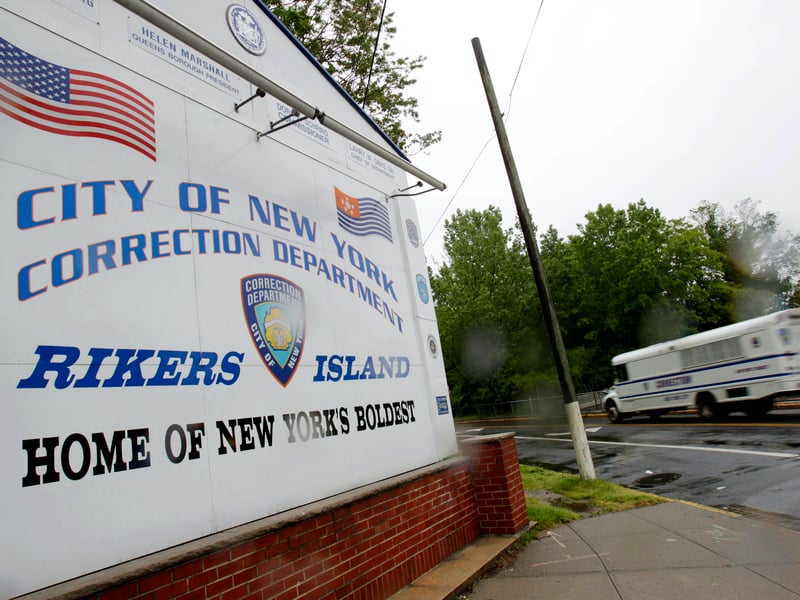
BROOKLYN (CN) — Julio Medina, founder and former CEO of Exodus Transitional Community, helped two others divert millions of dollars in public funds from a taxpayer-funded program intended to house incarcerated people from Rikers Island during the Covid-19 pandemic, an indictment unsealed Thursday in Brooklyn federal court says.
Exodus was contracted to administer an emergency transitional housing program under former Mayor Bill de Blasio at the start of the pandemic to house Rikers inmates in hotels and provide mental health, security, job training, and food services. The program was then expanded under Mayor Eric Adams’ administration.
Intended to combat the spread of the Covid-19 pandemic in New York City jails, Medina’s firm received more than $120 million in public funds to administer the program.
Medina is charged alongside Christopher Dantzler and Weihong Hu, whom prosecutors say Medina hired to provide security and housing services in exchange for bribes and kickbacks, including the purchase of two homes and a luxury vehicle. Hu has also raised thousands of campaign dollars for de Blasio and Adams.
Prosecutors say Exodus hired Dantzler, the owner of an unlicensed security firm, to provide security at the hotels. Meanwhile, Hu owned two of the hotels where Exodus ultimately placed inmates when they were released from Rikers and upstate prisons.
“Through kickbacks and bribes, the defendants capitalized on the Covid-19 crisis and exploited the Emergency Housing Program by engaging in a corrupt scheme to line their own pockets with millions of dollars intended to protect the public,” the indictment says.
They face a slew of wire fraud and money laundering charges, as well as the use of a facility of interstate commerce in aid of commercial bribery.
Prosecutors say Dantzler and Hu provided Medina with at least $2.5 million in U.S. currency and in-kind benefits in exchange for Medina steering approximately $51 million in public funds to their businesses. According to the indictment, those bribes included a $1.3 million townhouse, a luxury vehicle valued at approximately $107,000, and a renovated house valued at approximately $750,000.
Under Medina’s direction, prosecutors say, Exodus paid out approximately $12 million in public funds to Hu’s hotels and another $17 million to a construction firm she repurposed as a catering company that provided meals to the program participants.
According to the indictment, the individuals discussed the scheme over text messages obtained by the government.
In one text, Medina told Hu to stop calling him.
“When I get the payment I will call you. You have other people on the call,” Medina said in the text. “You know I’m under investigation.”
The indictment also highlights a series of security camera video stills showing Hu removing a bundle of cash from her wallet and handing it to Medina inside a manila envelope. Prosecutors say Exodus sent $187,600 to Hu’s catering business just a day prior.
In a statement, U.S. Attorney for the Eastern District of New York John Durham condemned the individuals for pocketing funds intended for housing and support services during the Covid-19 pandemic.
“Shamefully, the defendants saw the pandemic as an opportunity to line their pockets with stacks of cash, finance a luxury vehicle, purchase homes and pay off personal debts,” Durham said in a statement. “While New York City was trying to curb the spread of Covid-19, the defendants exploited a nonprofit organization to enrich themselves.”
Attorneys for Medina, Dantzler, and Hu did not respond to a request for comment.
 Follow @NikaSchoonover
Subscribe to our free newsletters
Our weekly newsletter Closing Arguments offers the latest about ongoing trials, major litigation and rulings in courthouses around the U.S. and the world, while the monthly Under the Lights dishes the legal dirt from Hollywood, sports, Big Tech and the arts.