
 Search Articles


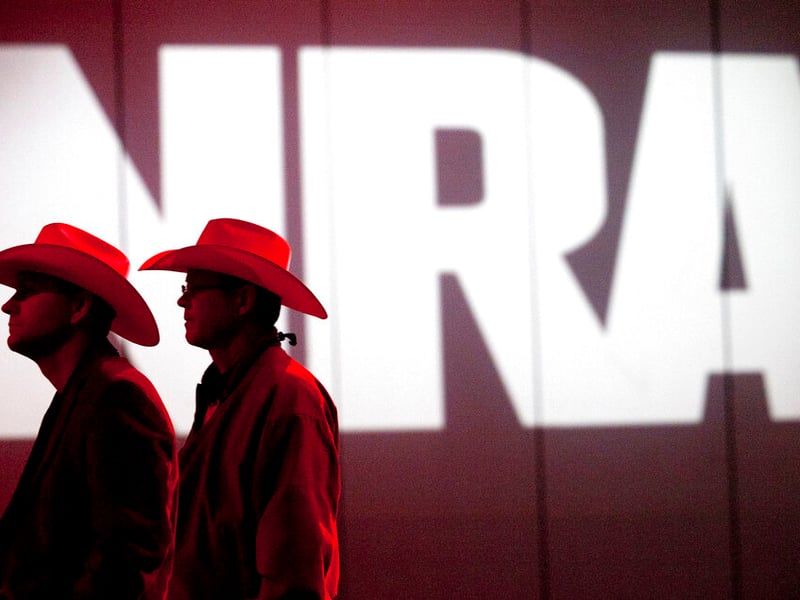
MANHATTAN (CN) — It has been nearly five months since a Manhattan jury found that former National Rifle Association CEO Wayne LaPierre cost the group $5.4 million by improperly spending donor cash on luxury trips, designer suits and other gaudy personal expenses.
The state court ordered LaPierre to pay back more than $4 million to the NRA and found that there was sufficient cause for his removal — even though LaPierre resigned from his post for health reasons before the trial even started.
With LaPierre out of the organization and on the hook for millions, focus now shifts to the nonprofit itself. Next week, the NRA will be entering what’s being called “Phase Two” of its legal battle with the New York attorney general: a bench trial under New York Supreme Court Justice Joel Cohen, who will determine injunctive consequences for the NRA’s violations of state nonprofit law.
It will be a briefer trial than the one that preceded it, but its impact could be even greater for the NRA’s members and leadership. The group faces potential changes to its compliance policy, such as court-ordered regulatory reporting and the appointment of an independent monitor to oversee the group’s finances.
Such a monitor would “provide oversight and evaluation of the NRA’s remediation of the NRA’s legal violations and compliance program,” according to a court filing from the state attorney general, who wants the monitor to serve a three-year term.
The NRA is expected to fight this court-ordered oversight tooth and nail at trial. In a statement to Courthouse News, the nonprofit’s counsel William Brewer III said that February’s verdict against LaPierre showed that the NRA was itself the victim of its rogue former executive.
“The focal point for ‘Phase Two’ is the [New York attorney general’s] burden to show that any violation of any law is ‘continuing’ and persistent at the NRA,” Brewer said. “This is a burden the NYAG cannot meet. Therefore, the relief the NYAG seeks in the form of a monitor is unwarranted. The NRA is committed to good governance, the highest of ethical standards, and serving its members.”
In the first phase of the trial, a jury found the NRA had retaliated against whistleblowers and submitted false tax returns. The organization contends it’s engaged in rigorous course correction since then.
But some NRA board members disagree. Jeff Knox, a freshly elected member of the board who ran on a platform of reforming the NRA’s internal operations post-LaPierre, sees a monitorship as a positive change.
“I don’t see huge problems with what the attorney general is asking for,” Knox told Courthouse News. “It seems pretty reasonable to me. There are quibbles, but the big picture, I don’t see it as a major assault on the NRA, on what we do. The monitor has no power over us.”
According to court filings from the attorney general, the monitor would only have oversight on the NRA’s compliance with state nonprofit law, including provisions on whistleblowers and regulatory reporting. Notably, it would not have any oversight on the “political, legislative and advocacy activities” of the nonprofit.
Knox said he wasn’t always so welcoming of the idea. He would have preferred that “we fixed this ourselves” without needing court oversight. But after the NRA’s annual meeting in May, when the group elected a fresh board and a new CEO to fill LaPierre’s shoes, Knox said he became skeptical of the NRA’s ability to change without the court’s help.
“I was hopeful, but I’ve been disappointed by what’s happened since then,” Knox said, lamenting that several of the same old faces were reappointed to influential roles on the board. “Those people need to not be in positions of power.”
Knox is also concerned with the NRA’s apparent hesitance to distance itself from LaPierre’s marred legacy. While the organization’s lawyers have been quick to denounce his errant spending in court, Knox said the NRA itself has been quiet.
“I’ve seen nothing from the NRA condemning LaPierre officially,” he said. “I’ve seen nothing from leadership that they’re attempting or putting the dominoes in place to try to recoup the money from him.”
Despite the February verdict, LaPierre could theoretically return to a leadership position in the NRA. The attorney general is also looking to thwart that possibility in “Phase Two,” requesting that the court permanently bar LaPierre from getting reelected or appointed to a fiduciary role in the NRA or its subsidiaries.
The NRA’s ex-finance chief Wilson “Woody” Phillips, who the jury ruled owes the NRA $2 million for his own errant spending, settled with the attorney general ahead of this second trial stage. He agreed to a 10-year ban from the New York not-for-profit industry.
New York Attorney General Letitia James brought the initial case against the NRA and its senior leaders in 2020, accusing them of diverting millions of donor dollars away from the organization for luxurious personal use. She’s had several high-profile wins so far this year, including her office’s civil fraud case against former president Donald Trump, who was ordered in February to pay nearly half a billion dollars for lying on yearly financial statements.
 Follow @Uebey
 Follow @uebey.bsky.social
Subscribe to our free newsletters
Our weekly newsletter Closing Arguments offers the latest about ongoing trials, major litigation and rulings in courthouses around the U.S. and the world, while the monthly Under the Lights dishes the legal dirt from Hollywood, sports, Big Tech and the arts.