
 Search Articles


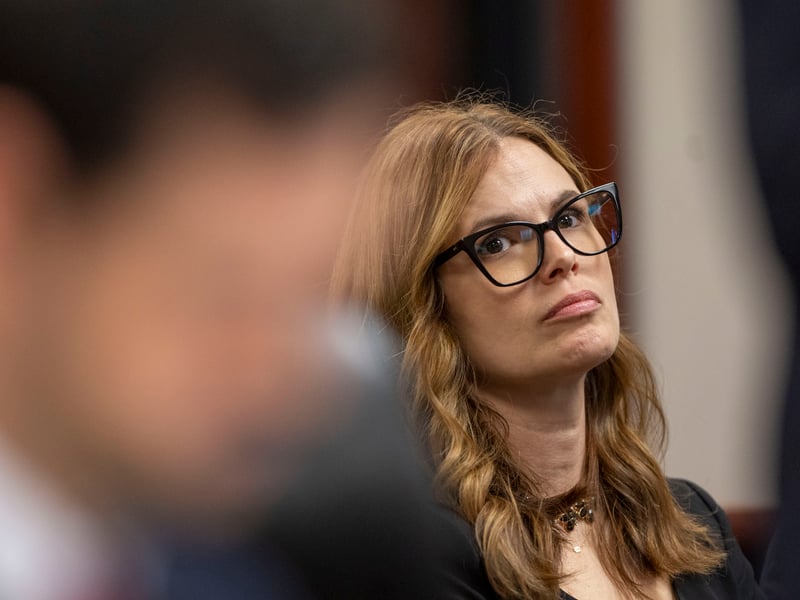
RALEIGH, N.C. (CN) — The North Carolina Supreme Court stepped in Monday in the monthslong election dispute over one of its own associate justice seats, temporarily blocking a lower court order that would require thousands of ballots cast in the race to be cured and hundreds more to be thrown out.
Republican Court of Appeals Judge Jefferson Griffin has pursued all legal avenues in challenging the results of the race after he strayed his opponent, incumbent Democratic Associate Justice Allison Riggs, by 734 votes after two recounts.
The stay halts the curing process of over 61,000 ballots, coming shortly before a 5 p.m. Monday deadline set by a state appeals court panel that sided with Griffin Friday. It will also prevent the removal of over 200 ballots from the vote total, while the higher court weighs requests to review the case again after it sent it down to process through lower courts.
“We’re glad that the Supreme Court granted our request for a stay to this deeply misinformed order that threatens to disenfranchise thousands of eligible voters,” said a spokesperson for the Riggs campaign. “We will continue to pursue this appeal and are committed to ensuring that power stays in the hands of voters — not politicians.”
In his extensive challenges to the race through varying levels of the judicial system, Griffin says that the state allowed voting without rectifying missing data in the voter roll database, and accuses it of allowing “never residents” — U.S. citizens who have never lived in America — and military and overseas voters to cast ballots.
Griffin claimed these never residents should not have been allowed to vote in his race and overseas voters should have been required to provide photo ID while casting their ballots. Over 65,000 ballots are in dispute over his legal challenges, which he argues is due to the fault of the state board of elections.
On Friday, a Republican majority panel of the state court of appeals issued the order instructing hundreds of ballots cast by “never residents” to be removed from the race count and over 60,000 local and overseas voters required to cure their ballots or have them removed from the vote total.
The board of elections was instructed to contact voters and give them 15 business days to cure their ballots and then remove all uncured ballots, leaving thousands of votes — and the election results — in limbo, more than five months after the election.
Both Riggs and the state board of elections had asked over the weekend for the state Supreme Court to step in and issue a stay, with the board noting that Griffin was not opposed to its request. The North Carolina Board of Elections has been ordered by the state Supreme Court to not certify the results of the race until appeals have been exhausted in the courts.
“These rulings were in error,” the board said in its filing in reference to the state appeals court ruling. “Most significantly, the decision below erred by ordering votes to be discarded that were cast in compliance with the rules in place at the time of the election. This decision conflicts with this court’s precedent.”
The board said that requiring thousands of voters to act immediately to cure their ballots in an ongoing case, where alternative steps may possibly be taken in the future, would cause considerable confusion, hardship and inefficiency and potentially disenfranchise thousands.
It asked the state Supreme Court to review the case, arguing that the case raises significant legal issues and is of great public importance.
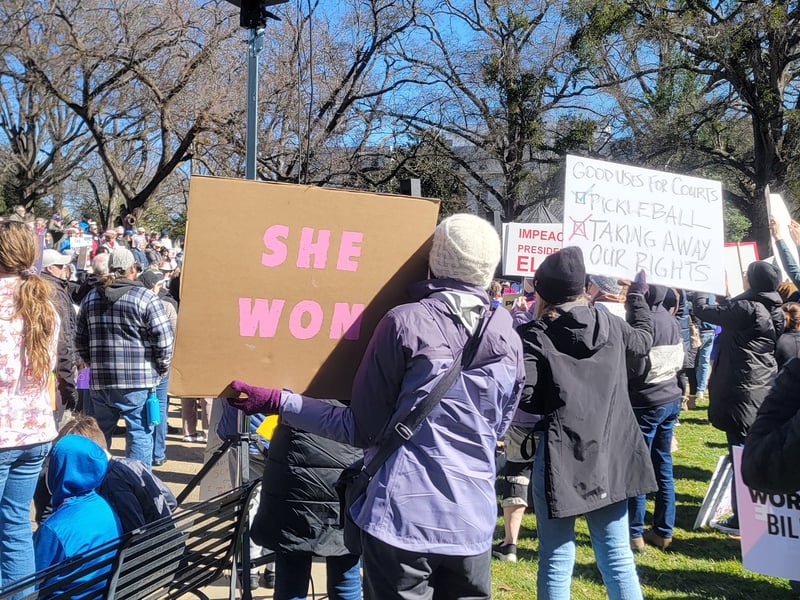
Griffin’s arguments have met loud opposition in North Carolina, with statewide protests, and Griffin has also faced pushback from members of his own party.
“Permitting the cancellation of votes cast in compliance with the rules in place during the election, as the decision below endorses, cannot be squared with this court’s precedent,” the board said in its request for the higher court to take up the case.
Riggs, who also requested the stay, said that it was necessary to prevent the “commencement of an unprecedented ballot cure process five months after an election,” and that Griffin has still yet to prove that any of the voters voted illegally or were ineligible to vote.
According to Riggs, Griffin is opposed to the state’s highest court hearing the argument again, following his success in his requests to remove ballots he considered ineligible in his race and initiate the ballot curing process. Griffin did not respond to a request for comment about the stay.
The North Carolina Supreme Court has weighed the case before, as Griffin initially filed his request directly with the state’s highest court, after not finding success in Raleigh court.
It put a stay on election certification but directed the case to follow the normal process, beginning in Raleigh court, and working its way up. His arguments have also reached the Fourth Circuit Court of Appeals and federal court, where it is expected to return once state issues are resolved.
 Follow @SKHaulenbeek
 Follow @shaulenbeek.bsky.social
Subscribe to our free newsletters
Our weekly newsletter Closing Arguments offers the latest about ongoing trials, major litigation and rulings in courthouses around the U.S. and the world, while the monthly Under the Lights dishes the legal dirt from Hollywood, sports, Big Tech and the arts.