
 Search Articles


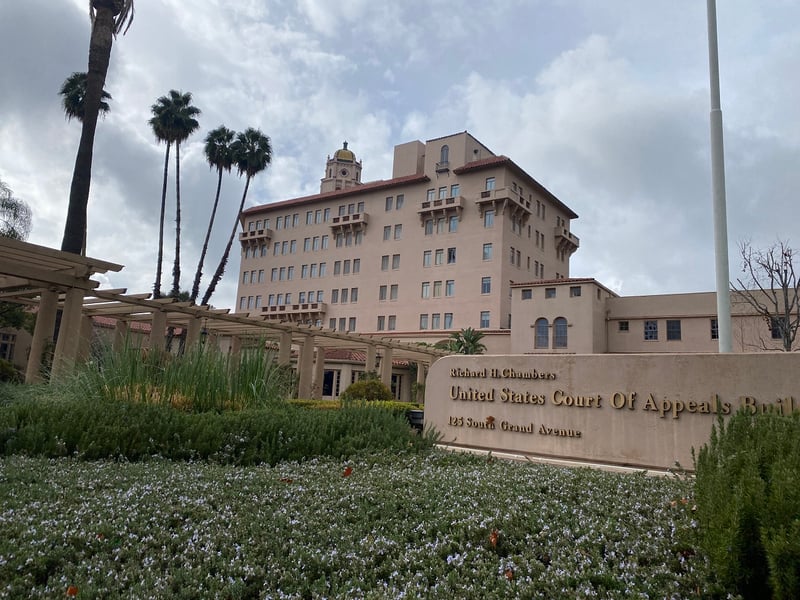
LOS ANGELES (CN) — A Ninth Circuit Court of Appeals panel on Wednesday rejected an attempt by a Chinese real-estate developer to overturn a conviction for bribing a corrupt Los Angeles city councilman to gain his support for building a 77-story skyscraper in downtown LA.
Shen Zhen New World had argued that the more than dozen lavish, all-expenses-paid trips to Las Vegas — including complimentary gambling chips and prostitutes — that its owner provided to José Huizar didn’t amount to bribery under federal law.
“In challenging its conviction, Shen Zhen conflates the specific intent required of a bribe-giver with that of the bribe-taker, i.e., a public official,” U.S. Circuit Judge Gabriel Sanchez, a Joe Biden appointee, said in the unanimous decision.
Whereas a public official is guilty of bribery if they agree to receive a thing of value knowing that it was given with the expectation that the official would perform an ‘official act’ in return, the situation is different for an accused bribe-giver, the judge wrote. In that case, a bribery offense does not require an agreement to enter into a quid pro quo with the public official.
“All that the law requires to establish bribery is a defendant’s specific intent to receive future official acts on a specific matter at the time the defendant pays or offers something of value in return,” Sanchez said.
An attorney for Shen Zhen New World didn’t immediately respond to a request for comment on the ruling.
Shen Zhen New World is the U.S. subsidiary of billionaire chairman Wei Huang’s real-estate empire. The company sought to reverse its conviction for bribing Huizar, a former city councilman representing downtown LA who in January was sentenced to 13 years in prison for running a pay-to-play scheme for real-estate development in his district.
Huang was also indicted in the sprawling corruption investigation but hasn’t returned to the U.S. to face the charges.
Yaakov Roth, an attorney for Huang’s company, told the three-judge panel at a hearing in July that the gifts the chairman provided to Huizar were an investment. They may have violated state and local gift or ethics laws, Roth said, but they weren’t bribery under federal law.
“Their theory was he’s giving, giving, giving, and in the future he’s going to make a request,” Roth said, referring to the prosecution’s argument at trial. “That’s very different from ‘I’m giving and I expect in exchange that you will give me what I want, and we’re going to enter into agreement on that up front.’”
The Las Vegas trips, Roth said, were intended to increase the likelihood favorable governmental actions down the line. Such gifts don’t become a bribe simply because Huang may have had intent to ask Huizar for a favor years later, he said.
George Esparza, Huizar’s former special assistant and the government’s star witness, told jurors at trial in 2022 that Huang and Huizar bonded over gambling and prostitutes during as many as 19 Las Vegas trips between 2013 and 2018.
On each trip, he said, Huang gave the councilman $10,000 in chips to start with. When the billionaire was winning, he sometimes gave Huizar even more.
On top of the trips, Huang also funneled $600,000 to Huizar to help him settle a sexual harassment lawsuit. That lawsuit could have upended Huizar’s reelection to the city council, prosecutors said, preventing him from helping Huang build a 77-story mixed-use development in downtown LA.
Huang left the U.S. in 2018 as prosecutors with the U.S. attorney’s office in LA closed in on Huizar and his cronies.
Sanchez was joined in the opinion by Senior U.S. Circuit Judge Richard Paez and U.S. Circuit Judge Kim McLane Wardlaw, both Bill Clinton appointees.
 Follow @edpettersson
Subscribe to our free newsletters
Our weekly newsletter Closing Arguments offers the latest about ongoing trials, major litigation and rulings in courthouses around the U.S. and the world, while the monthly Under the Lights dishes the legal dirt from Hollywood, sports, Big Tech and the arts.